Are you struggling to get a clear view through your birding binoculars? Nothing is more frustrating than missing a perfect bird sighting because your focus is off.
But what if you could adjust your binoculars quickly and effortlessly, every time? You’ll discover simple, effective tips to help you focus your birding binoculars fast. By mastering these quick techniques, you’ll never miss a beautiful bird again. Keep reading to sharpen your skills and make every birdwatching moment count!
Credit: www.parksconservancy.org
Choosing The Right Binoculars
Quickly focusing birding binoculars requires adjusting the central wheel smoothly while watching the bird. Keep both eyes open and fine-tune the focus to get a clear, sharp view fast. Practicing this helps spot birds without missing a moment.
Magnification And Lens Size
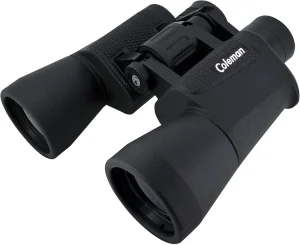
Choosing the right magnificationis key. Look for binoculars with 8x to 10x magnification. Larger lenses gather more light. This helps in low-light conditions. Lenses around 42mm size are a good choice. They balance light and size well.
Close Focus Distance
Close focus distance matters a lot. It lets you see nearby birds clearly. A good close focus distanceis less than 2 meters. This helps you enjoy detailed views. Be sure to check this feature before buying.
Weight And Comfort
Weightand comfort are crucial for long birding trips. Heavy binoculars can tire your hands quickly. Choose ones that are light and easy to hold. Comfortable grips make holding easier. Adjustable straps add more comfort during use.
Setting Up Your Binoculars
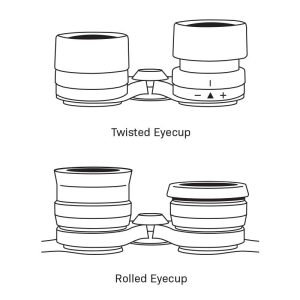
Eye cups protect your eyes and help you see clearly. Twist or fold them based on your comfort. Glasses wearers usually fold the eye cups to avoid dark edges. Non-glasses users can twist them out for better eye relief.
Interpupillary distance (IPD) is the space between your eyes. Adjust the binoculars by gently moving the two halves closer or farther. The circles you see through should line up perfectly. This step helps prevent double images and strain.
The diopter adjusts for differences in your eyes’ vision. Close your right eye and focus on a bird with your left eye using the center focus wheel. Then close your left eye and adjust the diopter ring on the right eyepiece until the image is sharp. This makes both eyes see clearly.
Quick Focusing Techniques
Use the central focus wheelto adjust both lenses at once. Turn it slowly until the bird image is sharp and clear. This wheel controls the main focus for quick adjustments.
The diopterhelps fine-tune the focus for differences between your eyes. Look through the right lens with your right eye and adjust the diopter until it is sharp. Then, use the central focus wheel for the left eye. This ensures both eyes see clearly.
Practice focusing on stationary objectslike trees or buildings before birding. It trains your eyes and makes quick adjustments easier in the field. The more you practice, the faster you focus.
Tips For Steady Viewing
Hold the binoculars firmly with both hands. Keep your elbows close to your body to reduce shaking. Rest your arms on a stable surface if possible. This steady grip helps in quick focusing and clear viewing.
Using a tripod or support can greatly improve stability. Tripods hold the binoculars steady for long periods. They are perfect for birdwatching sessions that last long. If a tripod is not available, lean against a tree or wall.
- Take slow, deep breaths to calm your body.
- Stand or sit with a straight back to keep balance.
- Keep your feet shoulder-width apart for better support.
Good breathing and posture reduce body movement. This makes focusing easier and faster. Small adjustments in breathing and stance can make a big difference.
Maintaining Sharp Focus In The Field
Adjust the focus ring smoothly to match the bird’s distance. Move the binoculars slowly towards or away from the bird until the image is clear. Quick, small turns of the ring help achieve sharp focus fast. Practice this in different settings to improve speed.
Low light makes focusing harder. Use binoculars with larger lenses to let in more light. Try to find a shaded spot or wait for brighter moments. Steady your hands or lean on a solid surface to reduce shakiness.
Clean lenses give a clear view. Use a soft cloth or lens brush to remove dust and smudges. Avoid touching lenses with fingers to prevent oil marks. Keep a small cleaning kit handy during birding trips.
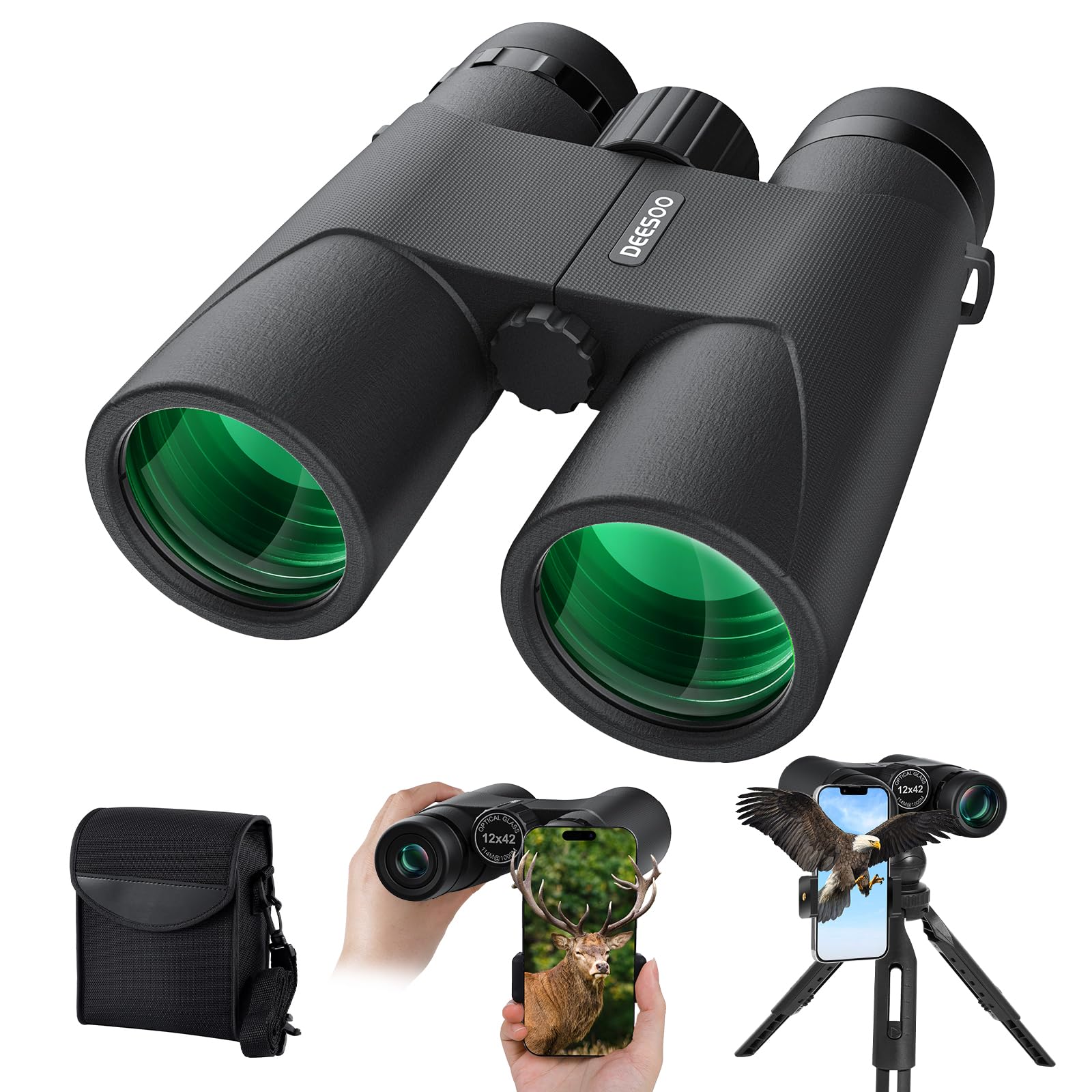
Credit: www.amazon.com
Common Focusing Mistakes To Avoid
Over-tightening the focus wheelcan damage binoculars and make focusing harder. Turn the wheel gently and stop when the image is clear. Forcing it won’t help and may break the parts.
Ignoring the diopter adjustmentis a common mistake. This small ring adjusts for differences between your eyes. Set it once for your eyes, then focus with the main wheel for sharp views.
Rushing the focusing processcauses blurry images. Take a few seconds to adjust slowly and carefully. Focus on a bird’s eye or a clear detail, then fine-tune until the image is sharp.
:max_bytes(150000):strip_icc()/tal-athlon-optics-8x42-midas-uhd-binoculars-signe-bamsey-ben-wanamaker-09-1-8caa644274c046f78e4cc47a08bb9750.jpeg)
Credit: www.travelandleisure.com
Frequently Asked Questions
How Do I Quickly Focus Birding Binoculars?
To focus quickly, adjust the central focus wheel while looking at a distant bird. Use the diopter ring to fine-tune clarity for one eye. Practice this process to speed up focusing during birdwatching.
What Is The Best Distance To Focus Binoculars?
Focus your binoculars on a bird or object at least 50 feet away. This distance helps achieve sharp clarity for most birding situations. Adjust focus as birds move closer or farther.
How To Adjust Diopter On Birding Binoculars?
Close your right eye and focus with your left eye using the central wheel. Then close your left eye and adjust the diopter ring on the right barrel until the image is sharp. This balances focus for both eyes.
Can Poor Focus Affect Birdwatching Experience?
Yes, poor focus makes birds appear blurry and causes eye strain. Proper focus enhances detail recognition and enjoyment. Regularly adjust focus for different distances to improve your birding experience.
Conclusion
Focusing birding binoculars quickly takes practice and patience. Start by adjusting the central wheel gently. Keep both eyes open for a clear view. Move slowly until the image looks sharp. Don’t rush—steady hands help a lot. Try focusing on different birds nearby first.
Soon, your eyes will adjust faster each time. Enjoy nature’s details with crisp, clear vision. Birdwatching becomes more fun with sharp binoculars. Keep practicing, and your focus will improve naturally.