Have you ever looked through your birding binoculars and noticed strange color fringes around the feathers of your favorite bird? That annoying blur is called chromatic aberration, and it can ruin the sharpness and clarity you need for perfect bird watching.
But can your birding binoculars actually reduce this problem? If you want to see every detail with crisp, true colors, understanding how binoculars handle chromatic aberration is key. Keep reading, and you’ll discover what features to look for and how to choose the right binoculars to bring your birding experience to life like never before.

Credit: www.popsci.com
Chromatic Aberration Basics
Color fringes appear due to light bending. Different colors bend at different angles. This bending causes blurry edges in images. Chromatic aberration is common in lenses. It affects image clarity and sharpness.
Birding binoculars can face color fringe issues. These fringes can blur bird details. They make it hard to see birds clearly. Good binoculars reduce chromatic aberration. They improve birding experiences. Clear images help in identifying bird species. Better lenses show true colors of birds.
Binocular Design And Optics
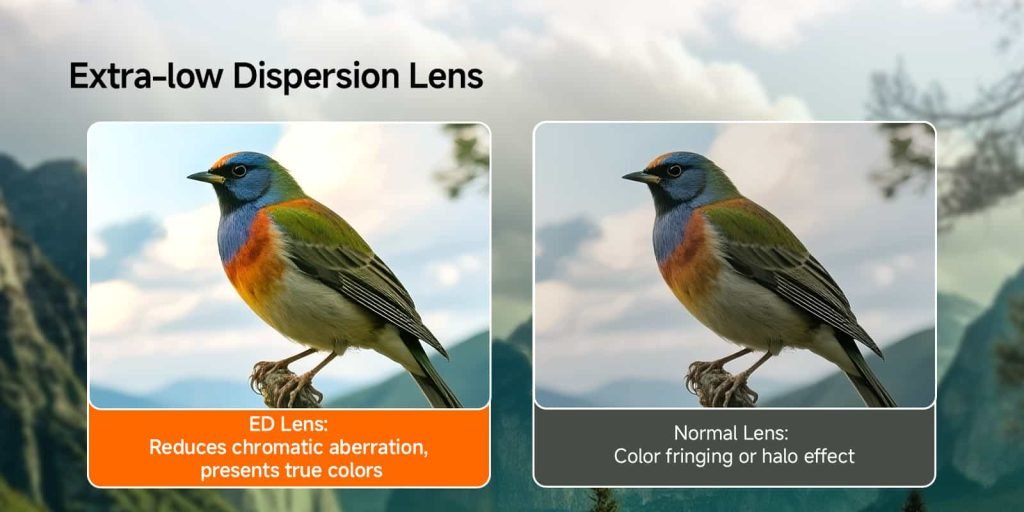
Birding binoculars use special lens materialsto cut down on chromatic aberration. Glass types like ED (Extra-low Dispersion)and HD (High Definition)reduce color fringing by bending light better. These materials help focus all colors to the same point, making images clearer.
Coatings and treatments on lenses play a key role. Multi-coatinglayers reduce glare and improve light transmission. Special anti-reflective coatingsalso help minimize color distortions. These treatments work with lens materials to give sharper and more natural views.
| Lens Material | Benefit |
|---|---|
| ED Glass | Reduces color fringing and sharpens images |
| HD Glass | Improves clarity and reduces chromatic aberration |
| Multi-coating | Less glare and better light transmission |
| Anti-reflective Coating | Minimizes color distortion and improves contrast |
Special Features In Birding Binoculars
Birding binoculars often include special lens coatings to reduce chromatic aberration. These features help produce clearer, sharper images with less color distortion. This improves birdwatching by making details easier to see.
Ed And Hd Glass Benefits
ED (Extra-low Dispersion)glass helps reduce color fringingaround objects. This means clearer and sharper images. HD (High Definition)glass improves light transmission. It gives bright and crisp views even in low light. These lenses lower chromatic aberration, making bird details easier to see.
Aspherical Lens Elements
Aspherical lenses have a special shape that fixes distortions. They reduce blurring at the edges of the view. This keeps the whole image sharp and clear. The design also helps make binoculars lighter and smaller.
Comparing Binocular Types
Birding binoculars with special lens coatings can help reduce chromatic aberration. Different types offer varying clarity and color accuracy. Choosing the right binoculars improves birdwatching experience by minimizing color distortions.
Porro Vs Roof Prism Models
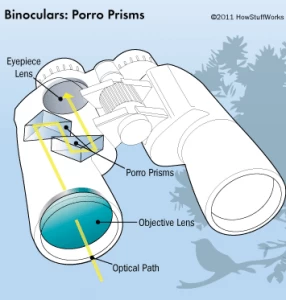
Porro prism binocularshave a zigzag shape. This design often gives better depth and color clarity. They can show less chromatic aberrationbecause of their lens arrangement.
Roof prism binocularsare straight and compact. They are easier to carry but may show more color fringing. Modern roof prism models use coatings to reduce this problem.
Impact On Color Accuracy
- Porro prisms usually have better color accuracy.
- Roof prisms may need extra lens coatingsto reduce color errors.
- Both types can reduce chromatic aberration with quality glass and coatings.
Tips For Choosing Low Aberration Binoculars
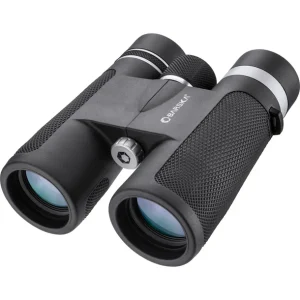
Choosing birding binoculars with special coatings and high-quality lenses helps reduce chromatic aberration. These features improve image clarity by minimizing color fringing. Focus on models designed to offer sharp and clear views for better birdwatching experiences.
What To Look For In Specs
Check the lens coatings.Fully multi-coated lenses reduce light reflections and improve clarity. Look for ED glass (Extra-low Dispersion), which helps limit color fringing. Consider the aperture size; larger apertures gather more light but may increase weight. The magnificationshould be balanced—too high can cause blurry images. Look for binoculars with phase correction coatingson prisms for sharper images. Finally, check the weightand build qualityto ensure comfort during long use.
Field Testing For Clarity
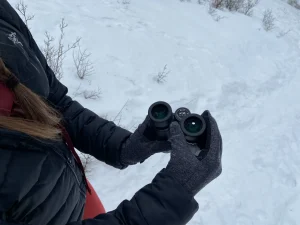
Test binoculars outside in natural light. Focus on objects with strong contrast, like tree branches against the sky. Move your gaze to edges to see if colors blur. Check if colors look natural and sharp. Test in different lighting, like bright sun or shade. Hold binoculars steady and see if images stay clear. Small color fringes are normal, but strong fringing means poor optics. Feel free to compare several models side by side.
Credit: www.popsci.com
Maintaining Clear Vision
Keeping birding binoculars clear helps maintain sharp vision. Use a soft cloth to wipe lenses gently. Avoid using rough materials that can scratchthe glass. Special lens cleaning solutions work best. Never use household cleaners or tissues.
Store binoculars in a dry caseto protect them from dust and moisture. Avoid leaving them in direct sunlight or damp places. Always keep the lens caps on when not in use. This prevents dust and damage.

Credit: www.amazon.com
Frequently Asked Questions
What Causes Chromatic Aberration In Birding Binoculars?
Chromatic aberration occurs when lenses fail to focus different light colors equally. This causes color fringing and blurry edges in birding binoculars. It mainly arises due to poor lens design or low-quality glass materials.
How Do Birding Binoculars Reduce Chromatic Aberration?
High-quality birding binoculars use special lens coatings and low-dispersion glass. These features minimize color fringing by aligning light wavelengths better. Multi-coated lenses also improve image clarity and color accuracy, reducing chromatic aberration.
Are Ed Lenses Effective Against Chromatic Aberration?
Yes, Extra-low Dispersion (ED) lenses significantly reduce chromatic aberration. They control light dispersion and provide sharper, clearer images. Many premium birding binoculars include ED glass for better color fidelity and detail.
Can Price Affect Chromatic Aberration In Binoculars?
Generally, more expensive birding binoculars have better optics and coatings. This reduces chromatic aberration effectively. However, always check lens specifications rather than price alone for quality assurance.
Conclusion
Birding binoculars can help reduce chromatic aberration effectively. Quality lenses and coatings play a big role. Clearer images make bird watching more enjoyable and detailed. Choosing binoculars with low chromatic aberration improves your experience. Sharp colors and less blur make spotting birds easier.
Investing in good optics means better views in nature. Small details become visible, enhancing your outdoor trips. Chromatic aberration does not have to spoil your birding fun.