If you love birdwatching, you know how important clear, sharp views are. But smudges, dust, and fingerprints on your binocular eyepieces can blur your sight and ruin the experience.
You want to enjoy every detail of those beautiful birds, not struggle with dirty lenses. So, how do you clean your binocular eyepieces safely without causing damage? You’ll discover simple, effective steps to keep your eyepieces spotless. By the end, you’ll be ready to enjoy crystal-clear views on every birding adventure.
Let’s get started!

Credit: www.amazon.com
Choosing The Right Cleaning Tools
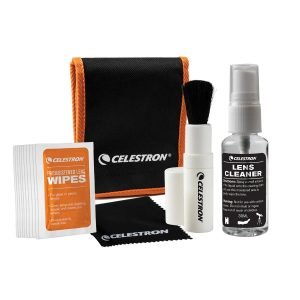
Choosing soft, lint-free cloths and gentle cleaning solutions protects eyepieces from scratches. Avoid rough materials to keep your binocular lenses clear and safe. Proper tools ensure effective and safe cleaning every time.
Soft Microfiber Cloths
Microfiber cloths are gentle and effective. They prevent scratches on lenses. Use a clean cloth every time. Dirty cloths might harm your binoculars. Microfiber cloths trap dirt well.
Lens Cleaning Solutions
A few drops can clean lenses. Choose solutions made for lenses. Do not use household cleaners. They can damage coatings. Spray solution on the cloth, not directly on lenses.
Air Blowers And Brushes
Air blowers remove dust without touching lenses. Brushes sweep away particles gently. Use blowers before using a cloth. This prevents scratching. Brushes should be soft and clean.

Credit: www.amazon.in
Preparing Your Binoculars For Cleaning
Start by gently tapping the binoculars to remove dust and loose dirt. Use a soft brush or a clean, dry cloth to sweep away any particles on the eyepieces. Avoid using fingers or rough materials that can scratch the lenses.
Keep the binoculars dry at all times. Moisture can damage the lenses and internal parts. Use a blower or a dry cloth to clean without adding water or liquid cleaners. If moisture appears, let the binoculars air dry completely before touching the lenses again.
Step-by-step Cleaning Process
Use an air blowerto gently remove dust from eyepieces. Avoid using canned air as it may damage lenses. Hold the binoculars steady and blow air from a small distance. This helps clear loose dirt without touching the lens surface.
Apply lens cleaner carefully using a soft microfiber cloth. Do not spray cleaner directly on the eyepiece. Instead, put a small amount on the cloth. Wipe the lens in a circular motion to avoid streaks and spots.
- Use a dry microfiber cloth for wiping smudges.
- Start from the center and move outward gently.
- Do not use tissue paper or rough fabrics.
- If stubborn marks remain, repeat cleaning with lens cleaner.
Preventing Common Cleaning Mistakes
Avoid harsh chemicalslike bleach or ammonia. These can damage lens coatingsand reduce clarity. Use only cleaning solutions made for opticsor plain water.
Do not soak lenses. Over-wetting can cause liquid to seep insidethe binoculars, harming internal parts. Use a slightly damp microfiber clothinstead.
Handle eyepieces with care. Their coatings are very delicateand can scratch or wear off easily. Always use a soft cloth, never rough materials like paper towels.
Maintaining Eyepieces For Longevity
A regular cleaning schedulekeeps eyepieces clear and sharp. Use a soft brush or air blower to remove dust first. Then, gently wipe with a microfiber cloth to avoid scratches. Avoid using rough materials or household cleaners.
Proper storage helps protect eyepieces from damage. Store binoculars in a dry place, away from direct sunlight. Keep them in a padded case to prevent bumps and dust build-up.
Using protective coversis important when binoculars are not in use. Covers shield lenses from dirt, moisture, and scratches. Always put covers on after cleaning and before storage.

Credit: www.amazon.com.au
Frequently Asked Questions
How Often Should I Clean Birding Binocular Eyepieces?
Clean eyepieces regularly, ideally after every few uses. Frequent cleaning prevents dirt buildup and maintains clear vision. Avoid over-cleaning to protect lens coatings and extend eyepiece life.
What Materials Are Best For Cleaning Binocular Eyepieces?
Use a microfiber cloth and lens cleaning solution. Avoid paper towels or rough fabrics that may scratch lenses. A soft brush or air blower helps remove loose dust safely.
Can I Use Household Cleaners On Binocular Eyepieces?
No, household cleaners can damage lens coatings. Always use products designed for optics. Specialized lens cleaning solutions ensure safe and effective cleaning without harming your binoculars.
How Do I Remove Stubborn Smudges From Eyepieces?
Apply a few drops of lens cleaner to a microfiber cloth. Gently wipe the eyepiece in a circular motion. Repeat if necessary, but avoid excessive pressure to prevent damage.
Conclusion
Cleaning your birding binocular eyepieces keeps your view clear and sharp. Use soft cloths and gentle motions to avoid damage. Avoid harsh chemicals that can harm lenses. Clean regularly to enjoy better bird watching every time. Simple care helps your binoculars last longer and work well.
Keep your gear ready for the next birding adventure. Small steps make a big difference in your outdoor experience.