Are you struggling to see every feather and detail through your birding binoculars? Getting a clear, sharp view is key to enjoying birdwatching to the fullest.
But if your binoculars aren’t focused just right, you might miss those amazing close-up moments. You’ll learn simple, step-by-step tips to focus your birding binoculars quickly and easily. By the end, you’ll be ready to spot birds with crystal-clear detail every time you look through your lenses.
Keep reading to transform your birding experience!
Choosing The Right Binoculars
Focus the central wheel until the image becomes clear and sharp. Adjust the right eyepiece’s diopter to match your vision for each eye. Fine-tuning these settings ensures detailed bird viewing with ease.
Magnification And Lens Size
Birding binoculars often have magnificationbetween 8x and 10x. Higher magnification can make birds appear closer. Larger lens sizeallows more light to enter. This makes images brighter. Bigger lenses can be heavier. Choose a lens size that balances brightness and weight.
Field Of View Considerations
A wide field of viewhelps spot birds easily. It lets you see more area at once. Narrow field of view can miss fast-moving birds. Consider binoculars with a wide view for better bird tracking.
Weight And Comfort
Lightweight binoculars are easier to carry. Heavy binoculars can cause arm strain. Look for soft grip and adjustable straps. Comfort helps in long birding sessions. Ensure binoculars fit well in your hands.

Credit: www.popsci.com
Basic Binocular Anatomy
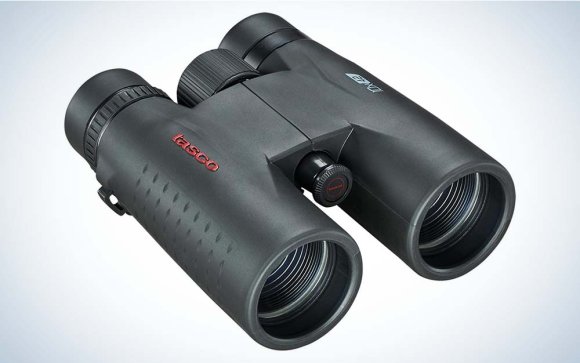
Binoculars have two main parts that help you see birds clearly: eyepiecesand objective lenses. Eyepieces are the small lenses you look through. Objective lenses are the big lenses at the front. They collect light to make the view bright and clear.
The central focus wheelchanges the focus for both eyepieces at the same time. Turning it moves the lenses inside to make the image sharp. This is useful for changing distances quickly.
The diopter adjustmentlets you fine-tune focus for each eye. Usually, one eye is stronger or weaker. This small dial corrects that difference. It helps both eyes see the bird in perfect focus.
Step-by-step Focusing Process
Adjust the central focus wheel until the bird’s details become sharp and clear. Use the diopter ring to fine-tune each eyepiece for your eyes. Keep both eyes open and slowly move the binoculars to lock in the best view.
Setting The Diopter
Close your right eye and look through the left eyepiece with your left eye. Rotate the diopter ring until the image is clear. This adjustment matches the focus to your eye’s strength. Keep this setting fixed after adjustment.
Adjusting The Central Focus
Open both eyes and use the central focus wheel. Turn it slowly to bring the bird into sharp view. Adjust until the image is clear and crisp. This controls focus for both eyes together.
Fine-tuning For Clarity
Look closely at the details, like feathers or eyes. Slightly adjust the central focus if needed. Small changes help improve clarity. Stop when the image is sharp and steady.
Tips For Steady Viewing
Using a tripod or any stable support helps keep binoculars steady. This reduces shaking and lets you see birds clearly. Choose a tripod that fits your binocular size and weight. A simple tree branch or fence can also work as support. Holding the binoculars with both hands gives more control. Keep your elbows close to your body to avoid movement. Rest your hands on a solid surface when possible.
Breathing affects stability. Take slow, deep breaths and hold it briefly while focusing. This helps reduce body movement. Stand with feet shoulder-width apart for better balance. Keep your body relaxed but firm. Small movements can blur the view, so stay as still as you can.
Troubleshooting Common Issues
Blurred or double imagesoften happen when binoculars are not focused correctly. Adjust the central focus wheel slowly until the image becomes clear. Sometimes, the diopter ring near the eyepiece needs adjustment to match your eyesight differences between eyes. Keep both eyes open while focusing to reduce strain.
Eye strain and fatiguecan occur if the binoculars are not held steady or if the focus is off. Use a neck strap or tripod to keep binoculars stable. Take short breaks to rest your eyes during long birding sessions. Adjust the eyecups to fit your eyes comfortably.
| Issue | Cause | Solution |
|---|---|---|
| Alignment Problems | Binoculars lenses not properly aligned | Check for loose parts, send to a professional for repair |
| Blurred or Double Images | Incorrect focus or diopter setting | Adjust focus wheel and diopter ring |
| Eye Strain | Unstable holding or poor focus | Use strap/tripod, rest eyes often |
:max_bytes(150000):strip_icc()/tal-athlon-optics-8x42-midas-uhd-binoculars-signe-bamsey-ben-wanamaker-09-1-8caa644274c046f78e4cc47a08bb9750.jpeg)
Credit: www.travelandleisure.com
Maintaining Your Binoculars
Use a soft brush or air blower to remove dust from the lenses. Avoid touching lenses with fingers to prevent smudges. Clean lenses gently with a microfiber cloth and lens cleaner made for optics. Do not use paper towels or rough fabrics, which can scratch lenses.
Store binoculars in a dry, cool place to protect from moisture. Use a padded case to prevent damage during travel. Keep binoculars away from direct sunlight when not in use, as heat can harm lens coatings.
Check for loose screws or parts regularly. Make sure the focus wheel moves smoothly without resistance. Inspect lenses for scratches or dirt before every trip. Tighten any loose parts carefully to keep binoculars in good shape.
Credit: www.popsci.com
Frequently Asked Questions
How Do I Adjust Focus On Birding Binoculars?
To focus birding binoculars, first close one eye and adjust the central focus wheel. Then, use the diopter ring for fine-tuning with your other eye. This ensures sharp, clear images for detailed bird viewing.
Why Is Diopter Adjustment Important In Binoculars?
Diopter adjustment compensates for differences between your eyes. It ensures both lenses focus properly, giving you a crisp, balanced view. This is crucial for clear, detailed bird watching without eye strain.
How Can I Quickly Focus On Moving Birds?
Use the central focus wheel to adjust focus smoothly. Practice tracking birds by continuously adjusting as they move. This helps maintain clear images even when birds are flying or shifting position.
What’s The Best Distance For Focusing Binoculars?
Binoculars should be focused at the distance of the bird you’re observing. For detailed viewing, focus precisely on the bird’s location, whether nearby or far, to capture sharp details without blur.
Conclusion
Focusing birding binoculars takes practice and patience. Start by adjusting the central focus wheel slowly. Then, fine-tune the eyepiece until the image is sharp. Clear vision helps you see bird details better. Keep your hands steady to avoid blurry views.
Regular use improves your skill over time. Enjoy the beauty of birds with clear, focused views. Remember, good focus makes birding more fun and rewarding.