Are you tired of your eyes feeling tired and sore after a bird-watching session? Eye strain can quickly turn your relaxing hobby into an uncomfortable experience.
But what if you could enjoy every moment with your birding binoculars without that nagging discomfort? You’ll discover simple and effective ways to protect your eyes while getting the clearest, most enjoyable views of your feathered friends. Keep reading to learn how to make your birding trips more comfortable and rewarding—your eyes will thank you!
Choosing The Right Binoculars
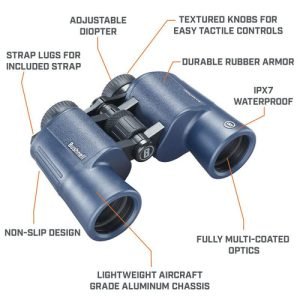
High-quality lenses are essential for clear and bright images. Poor lenses can cause blurry views and eye strain. Look for binoculars with coated lenses to reduce glare and improve sharpness.
Magnification affects how close birds appear. Too high magnification makes images shaky and hard to focus. A magnification of 7x to 10x is best for bird watching. It balances detail and ease of use.
| Feature | Recommended |
|---|---|
| Lens Coating | Fully Multi-Coated |
| Magnification | 7x to 10x |
| Weight | Lightweight (under 1.5 lbs) |
| Size | Compact and easy to hold |
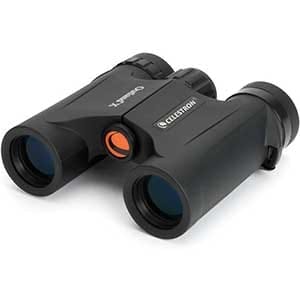
Lightweight binoculars reduce arm fatigue during long use. Compact sizes fit well in your hands and allow steady viewing. These features help avoid eye strain and keep birding enjoyable.

Credit: www.amazon.com
Proper Binocular Adjustment
Adjusting the Diopteris key to clear vision. The diopter ring fine-tunes one side of the binoculars. This helps match the focus for each eye. Start by closing your right eye. Use your left eye to focus on a distant object. Then close your left eye and adjust the diopter for your right eye. This avoids blurry images and reduces eye strain.
Setting the Interpupillary Distancemeans adjusting the space between the binoculars’ eyepieces. Move the barrels closer or farther until you see a single clear image. This fits the binoculars to your eyes. A wrong distance causes double images and makes your eyes tired.
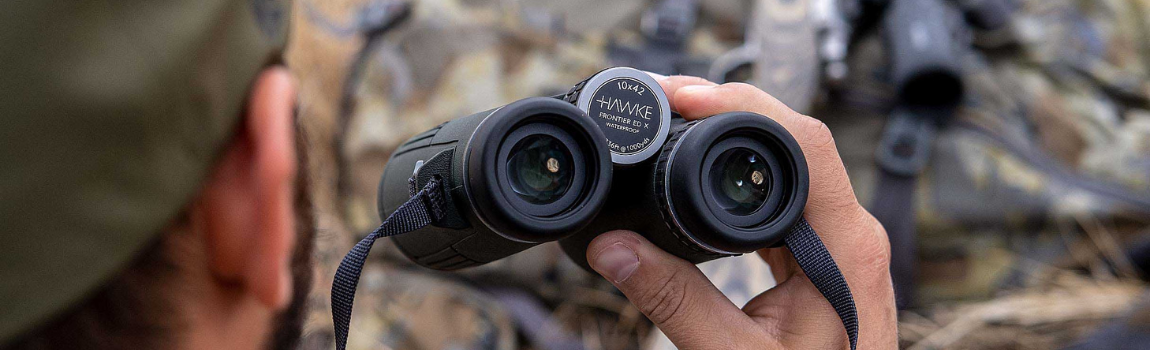
Focusing Techniquesinclude using the central focus wheel to sharpen the view. Focus on a bird or object at the right distance. Keep both eyes open for better comfort. Avoid squinting or forcing your eyes. Take breaks and blink often to keep eyes fresh.
Adopting Correct Viewing Techniques
Using binoculars for short periods helps prevent eye strain. Try to avoid long, continuous viewing sessions. Take breaks after a few minutes to rest your eyes.
Regular breaks and simple eye exercisescan refresh your vision. Blink often to keep eyes moist. Roll your eyes gently or look away at distant objects.
Alternating between close and distant views relaxes eye muscles. Shift focus from nearby birds to faraway trees or sky. This reduces eye fatigueand keeps your sight clear.
Credit: www.birdspot.co.uk
Environment And Lighting
Choose times early in the morning or late in the afternoon for birding. These periods offer soft natural lightthat reduces eye strain. Avoid midday sun when light is harsh and creates glare.
Direct sunlight causes discomfort and makes it hard to see bird details. Use binoculars with a sunshade or position yourself so the sun is behind you. This helps keep your eyes comfortable.
- Use shaded areas to protect your eyes from bright light.
- Face away from the sun to prevent glare.
- Use natural light to see colors and shapes clearly.
- Adjust your position as the sun moves during the day.
Maintaining Eye Health
Staying hydratedhelps keep your eyes moist and comfortable. Drinking water often prevents dryness and irritation while birding.
Blinking keeps the eyes fresh. It spreads tears evenly, which protects against eye strain. Try to blink more when using binoculars for long periods.
- Take short breaks to rest your eyes regularly.
- Adjust binoculars to fit your eyes well.
- Avoid staring at one spot for too long.
- Use sunglasses to reduce glare when outside.
- Make sure your binocular lenses are clean for clear viewing.
Credit: www.opticswarehouse.co.uk
Use Of Accessories
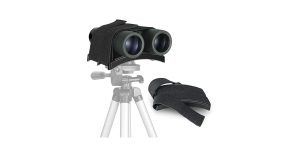
Using harnesses and strapshelps carry binoculars comfortably. They keep the binoculars close, reducing arm strain during long birdwatching. This support stops shaking and lets you focus better.
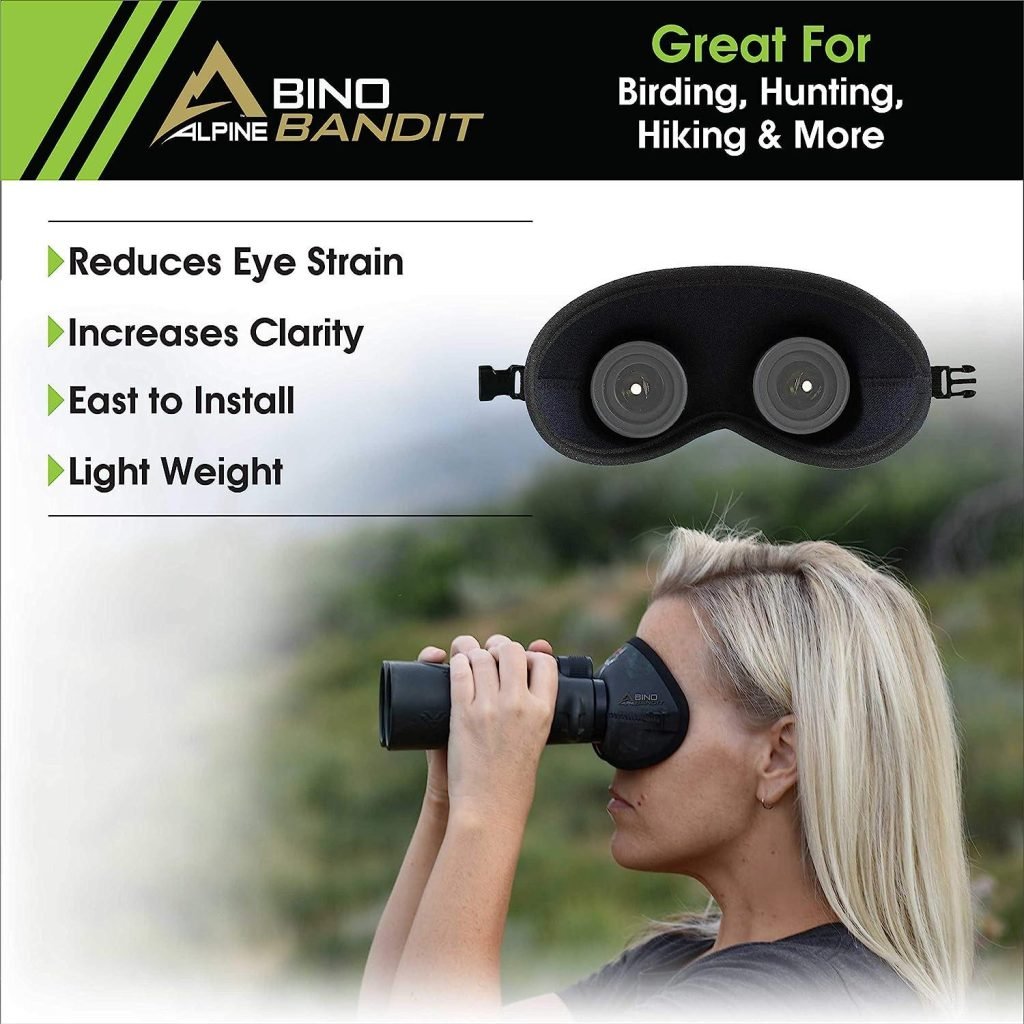
Protective eyewearguards your eyes from sunlight and dust. It reduces glare and eye tiredness, making your view clearer and more comfortable.
Lens caps and coversprotect lenses from scratches and dirt. Clean lenses give sharper images, which is easier on your eyes. Always cover lenses when not in use to keep them safe.
Frequently Asked Questions
How Can I Reduce Eye Strain With Birding Binoculars?
To reduce eye strain, choose binoculars with adjustable eyecups and proper eye relief. Take regular breaks and avoid prolonged focusing without blinking.
What Binocular Features Help Prevent Eye Fatigue?
Look for binoculars with a wide field of view, adjustable diopters, and anti-reflective coatings. These features enhance comfort and reduce eye fatigue during birdwatching.
How Often Should I Rest My Eyes While Birding?
Rest your eyes every 20-30 minutes by looking away from the binoculars. This practice helps relax eye muscles and prevents strain during extended use.
Can Proper Binocular Fit Reduce Eye Strain?
Yes, a proper fit aligns the binoculars with your eyes, minimizing strain. Adjust interpupillary distance and use eyecups to ensure comfortable viewing.
Conclusion
Avoiding eye strain with birding binoculars takes small steps. Adjust your binoculars to fit your eyes well. Take breaks often to rest your vision. Use proper lighting to reduce glare and shadows. Clean lenses help you see clearly without squinting.
Practice good posture to keep your neck and eyes relaxed. These habits make bird watching more enjoyable and comfortable. Keep your eyes fresh and enjoy every bird sighting with ease.