Have you ever been out birdwatching, only to find your binoculars won’t focus properly? It’s frustrating when your favorite tool doesn’t work as it should, especially when you’re trying to spot that rare bird.
The good news is, you don’t have to buy a new pair right away. You can fix the focus mechanism yourself with a few simple steps. You’ll learn how to repair your birding binoculars quickly and easily, so you never miss a perfect view again.
Keep reading to discover the straightforward fixes that will bring your binoculars back to life.
Assessing The Damage
Focus problems can happen in many ways. Common signs include:
- Stiff or stuck focus wheelthat does not turn smoothly.
- The image stays blurry even after adjustingthe focus.
- Focus mechanism feels loose or moves too easily.
- Clicking or grinding noises when trying to focus.
- Parts inside the binoculars may be damaged or misaligned.
Checking these signs helps find the problem faster. Sometimes dirt or dust blocks the gears. Other times, small parts get worn out. Careful inspection is key to fixing the focus.

Credit: blog.gritroutdoors.com
Gathering Necessary Tools
Gathering the right toolsis key to fix the focus mechanism. Start with a small screwdriver setthat fits tiny screws on binoculars. A clean clothhelps wipe dust and dirt gently.
Use tweezersto handle small parts carefully. A magnifying glassaids in seeing tiny components clearly. Have some lubricantlike silicone grease to ease moving parts.
- Small screwdrivers (flat and Phillips)
- Soft cleaning cloth
- Tweezers
- Magnifying glass
- Silicone grease or light lubricant
Safety is important. Wear eye protectionto avoid dust or debris. Use gloves to keep hands clean and protect binocular parts from oils. Work in a well-lit areato see everything clearly.
Disassembling Binoculars
Carefully place the binoculars on a clean, flat surface. Use a small screwdriver to remove the screws holding the outer casing. Keep the screws safe; they are tiny and easy to lose.
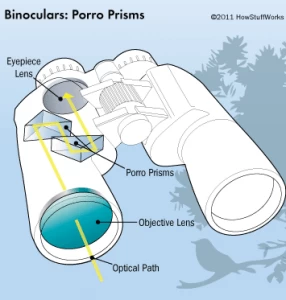
Gently lift the casing to expose the internal parts. The focus mechanism includes small gears and springs. Avoid touching lenses directly to prevent smudges.
- Handle all parts with clean, dry hands or wear gloves.
- Use a soft brush to remove dust from delicate components.
- Do not force any parts; they can break easily.
- Organize the parts in the order removed for easy reassembly.
Fragile components need gentle handling. Even slight pressure can cause damage. Take your time and keep the work area well-lit.

Credit: www.amazon.com
Inspecting The Focus Mechanism
Begin by carefully examining the binoculars’ focus wheel and connecting parts. Look for any cracks, dents, or loose screwsthat may affect performance. Check if the focus wheel moves smoothly or feels stiff.
Wear and tear often show as worn gears or stripped teethinside the mechanism. Use a small flashlight to see inside. Gently try to rotate the focus wheel to detect any grinding or slipping.
Broken parts like springs, gears, or pinscan stop the focus mechanism from working. Identify these by comparing with a working binocular or a repair guide. Note any missing or damaged pieces before starting repairs.
Repair Techniques
Cleaning the focus mechanism helps it move smoothly. Use a soft brush or cloth to remove dirt and dust. Avoid harsh chemicals that can damage lenses or parts. Apply a small amount of lubricant designed for binoculars to the moving parts. This reduces friction and wear. Rotate the focus wheel gently to spread the lubricant evenly.
Replacing damaged parts may be necessary if cleaning does not fix the issue. Check for broken gears or cracked lenses carefully. Use parts from the binoculars’ manufacturer for the best fit. Screwdrivers and tweezers help remove and install small pieces. Take care not to lose tiny screws during repair. Testing the focus after replacement ensures proper function.
Reassembly Process
Proper alignmentis key to the focus mechanism working well. Make sure all parts fit together without forcing them. Small misalignments can cause poor focus or damage.
Check that the central focusing wheelturns smoothly and moves the lenses evenly. Align gears carefully so they mesh without slipping.
Use a clean, dry cloth to remove any dust or dirt before reassembly. Keep screws snug but avoid over-tightening to prevent stripping.
Once assembled, test the binoculars by focusing on objects at different distances. The image should become sharp quickly and stay steady.
- Turn the focus wheel slowly and watch the lenses move.
- Look through the binoculars at nearby and distant objects.
- Ensure no parts stick or feel loose during movement.
- Repeat adjustments if focus is uneven or blurry.
Preventive Maintenance
Keep the lenses clean by wiping them gently with a soft cloth. Use a lens brush to remove dust and dirt from tight areas. Avoid using harsh chemicals that can damage the lens coating. Clean the focus mechanism with a dry brush to remove any debris.
Store binoculars in a cool, dry place to avoid moisture buildup. Use a protective case to prevent scratches and damage. Keep them away from direct sunlight and extreme temperatures. Always close the focus mechanism when storing to protect internal parts.
When To Seek Professional Help
Complex repairs need special skills and tools. Some problems are too hard to fix alone. Internal parts may break or shift out of place. Experts can open binoculars without causing damage. They know how to handle tiny, delicate pieces. Attempting big repairs without training risks worsening the issue.
To avoid further damage, stop using binoculars if focus is stuck or broken. Do not force the focus wheel or pull parts apart. Keep the binoculars clean and dry until help is available. Protect them from dust and drops during transport. Proper care helps maintain good condition before repair.

Credit: mohonkpreserve.medium.com
Frequently Asked Questions
How Do I Fix A Stuck Focus Wheel On Binoculars?
A stuck focus wheel usually needs cleaning or lubrication. Remove dirt carefully, apply a small amount of silicone-based lubricant, and rotate gently to restore smooth movement.
What Tools Are Needed To Repair Binocular Focus Mechanisms?
You typically need a small screwdriver, cleaning cloth, silicone lubricant, and tweezers. These tools help in disassembling and maintaining the focus mechanism properly.
Can I Repair Binocular Focus Without Professional Help?
Yes, minor focus issues can be fixed at home with basic tools. Follow careful cleaning and lubrication steps, but avoid forcing parts to prevent damage.
How Often Should I Maintain My Birding Binoculars’ Focus?
Regular maintenance every 6-12 months keeps focus smooth. Clean and lubricate the mechanism to avoid dirt buildup and prolong the binoculars’ lifespan.
Conclusion
Fixing the focus mechanism on birding binoculars can save money and time. Small steps make the repair easier and less risky. Take your time and check each part carefully. Clean and adjust gently for best results. Your binoculars will work smoothly again for clear bird views.
Keep practicing these simple tips to keep your gear ready. Enjoy birdwatching without distractions from blurry images. Repairing at home builds confidence and skills for future fixes.