Are you wondering if kids binoculars can really stand up to all the rough and tumble play? You want something that lasts, right?
Something your child can use again and again without it breaking after the first drop. You’ll discover what makes some kids binoculars tough and why others might not be as durable as you expect. By the end, you’ll know exactly what to look for to pick binoculars that survive your child’s adventures.
Keep reading to find out how to make a smart choice that saves you money and frustration.
Material Composition
Kids binoculars are made from different materials. Plastic is common because it is lightweightand cheap. Some use rubber coatingsto protect from dropsand bumps. Metal parts add strengthbut make binoculars heavier.
The material affects how durablethe binoculars are. Plastic can break if dropped hard. Rubber helps absorb shocks. Metal parts last longer but can rust if not treated well.
| Material | Durability | Weight | Protection |
|---|---|---|---|
| Plastic | Moderate, can crack | Light | Low |
| Rubber Coating | High, absorbs shocks | Adds some weight | High, protects from drops |
| Metal Parts | Very high, strong | Heavy | Moderate, can rust |
Design Features
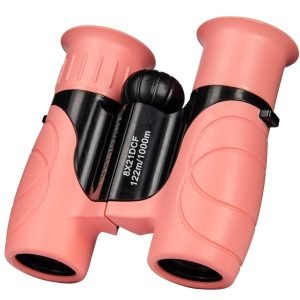
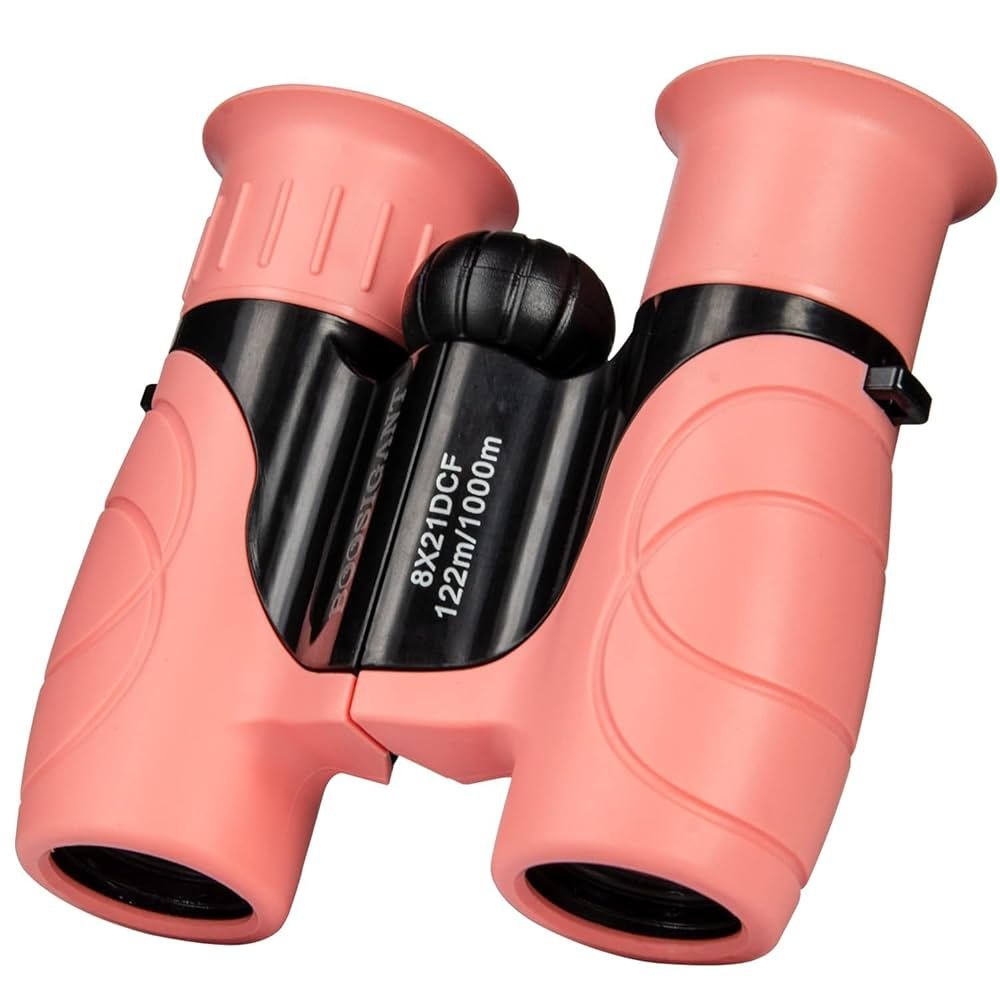
Kids binoculars often feature sturdy plastic and rubber coatings to resist drops and rough use. Compact design and secure grips help them withstand active play outdoors.
Ergonomic Considerations
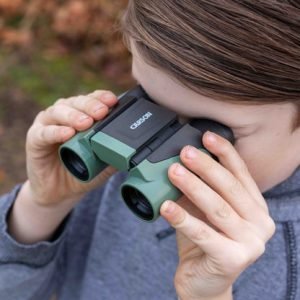
Kids binoculars are made to fit small hands comfortably. The grips are soft and easy to hold. Lightweight design helps kids carry them without trouble. The focus knob is simple to turn, so adjusting is quick. Eye cups are often cushioned for comfort during use.
Protective Elements
These binoculars have tough outer shells to prevent damage from drops. Rubber coatings absorb shocks well. Many models are water-resistant, protecting them from spills and rain. Lenses usually have covers or are recessed to avoid scratches. Straps keep binoculars close, reducing the chance of loss or falls.
Manufacturing Techniques
Durable kids binoculars often use strong plastic and rubber coatings to handle drops and rough play. Simple manufacturing techniques focus on lightweight, sturdy parts that resist damage. This keeps the binoculars safe and easy for children to use outdoors.
Assembly Process
The assembly of kids binoculars involves careful fitting of small parts. Each lens is placed precisely to ensure clear vision. Plastic bodies are molded to be strong and light. The parts snap or screw together securely to avoid easy breakage. Workers check alignment during the assembly to make sure the binoculars work well. This process helps produce a product that can handle rough use by kids.
Quality Control Measures
| Quality Check | Purpose |
|---|---|
| Visual Inspection | Detects scratches or cracks on lenses and body. |
| Focus Testing | Ensures the binoculars provide a clear and sharp view. |
| Drop Test | Confirms the durability of the binoculars after falls. |
| Water Resistance Check | Tests if binoculars can resist moisture and spills. |

Credit: www.amazon.com
Testing For Durability
Stress tests check how well kids binoculars hold up under pressure. They face drops from different heights to see if parts break or stay fixed. Binoculars are squeezed and twisted to test their strength. Water resistance is checked by splashing or light rain exposure. These tests help find weak spots in the design.
Real-world usage shows how binoculars work during play or nature trips. Kids may drop them, put them in backpacks, or use them in dirt and rain. The binoculars need to stay clear and easy to focus after rough use. Comfort and grip are also important for little hands.
Brand Comparisons
Several top brandsoffer kids binoculars known for durability. These brands focus on strong materialsthat resist drops and rough play. Many models use rubber coatingsto protect lenses and bodies. Kids’ binoculars often have water-resistantfeatures too.
| Brand | Durability Rating (out of 5) | Key Features |
|---|---|---|
| Brand A | 4.5 | Shockproof, rubber grip, water-resistant |
| Brand B | 4.0 | Lightweight, sturdy frame, fog proof |
| Brand C | 3.8 | Easy focus, impact-resistant lens cover |
- Durability depends on build quality and materials.
- Rubber coatings help absorb shocks from drops.
- Water and fog resistance add extra protection.
- Simple designs often last longer with kids.

Credit: www.amazon.com
Maintenance And Care
Cleaningkids binoculars gently helps keep lenses clear. Use a soft cloth or lens brush to wipe dirt and dust. Avoid using strong chemicals or rough materials that can scratch lenses. A small amount of water or lens cleaner works well. Never soak binoculars in water.
Storingbinoculars properly protects them from damage. Keep them in a dry, cool place away from direct sunlight. Use the case that comes with the binoculars to avoid dust and accidental drops. Avoid leaving binoculars in hot cars or damp areas to prevent mold and warping.
Customer Reviews
Many customers find kids binoculars surprisingly strong. They often survive drops and rough play. Some users say the lenses stay clear for a long time. The body is usually made of durable plasticthat resists cracks.
Common feedback shows that smaller parts can sometimes break. But most parents find the binoculars easy to cleanand maintain. Kids love using them outdoors, which tests their strength a lot.
Long-term users note that the binoculars keep working welleven after months of use. Straps and focus knobs also hold up well. Some reviews mention the binoculars handle rough weatherlike rain or dust without problems.
| Feature | Feedback |
|---|---|
| Durability | Strong plastic, survives drops |
| Lens Quality | Clear images for months |
| Small Parts | Occasionally break, but replaceable |
| Weather Resistance | Good in rain and dust |

Credit: www.amazon.com
Cost Vs. Quality
Budget-friendly kids binocularsare usually made with plastic. They are light and easy to carry. These binoculars work well for short trips and casual use. Though cheaper, they might not last long under rough use. The lenses may not be very clear but good for young kids starting out.
Premium choicesoffer stronger build quality. These often have rubber coating for extra grip and shock resistance. The lenses are clearer and give sharper images. They can handle rough play and last longer. These binoculars suit kids who love outdoor adventures.
| Feature | Budget-friendly Options | Premium Choices |
|---|---|---|
| Material | Plastic | Rubber-coated plastic or metal |
| Durability | Moderate | High |
| Lens Quality | Basic clarity | Sharper, clearer |
| Weight | Light | Moderate |
| Price | Low | Higher |
Frequently Asked Questions
Are Kids Binoculars Designed To Withstand Rough Use?
Yes, kids binoculars are built with durable materials like rubber and plastic. They resist drops and rough handling, making them ideal for active children.
How Long Do Kids Binoculars Typically Last?
The lifespan depends on usage and quality. Well-made kids binoculars can last several years with proper care and gentle use.
Can Kids Binoculars Handle Outdoor Weather Conditions?
Most kids binoculars are weather-resistant but not fully waterproof. They can endure light rain and dust, but heavy moisture may damage them.
Are Kids Binoculars Safe For Young Children?
Yes, they are designed with child safety in mind. They usually have non-toxic materials and rounded edges to prevent injuries.
Conclusion
Kids binoculars often stand up well to rough use and play. They have strong plastic bodies and rubber edges to protect from drops. Many models are lightweight, making them easy for children to hold. Still, no binoculars are completely unbreakable.
Choosing ones with good reviews helps ensure quality and durability. Kids enjoy exploring nature more with tools that last. Durable binoculars support fun learning outside. Simple care and storage keep them working longer. In the end, many kids binoculars handle active use quite well.