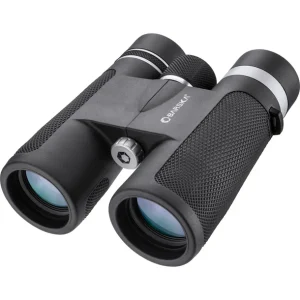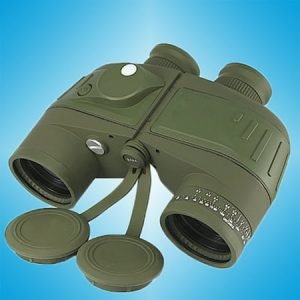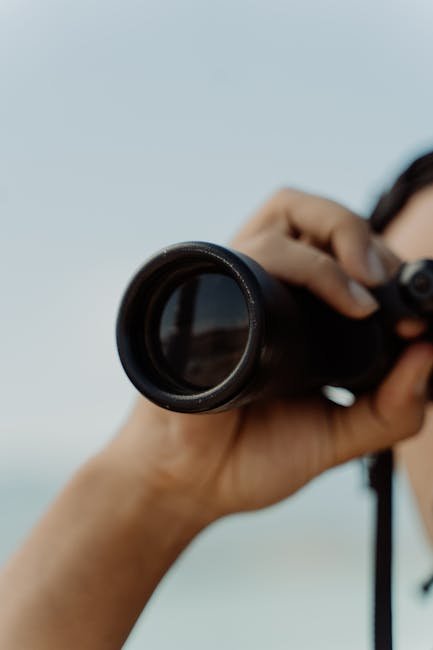
If you love exploring the outdoors, using ED glass binoculars can change the way you see nature. These binoculars give you clearer, sharper views of birds, animals, and landscapes.
But to get the best experience, you need to know how to use them correctly. You’ll discover simple tips that make every moment with your binoculars more exciting and rewarding. Ready to bring the beauty of nature right to your eyes?
Keep reading to unlock the full power of your ED glass binoculars.

Credit: www.amazon.ca
Choosing The Right Ed Glass Binoculars
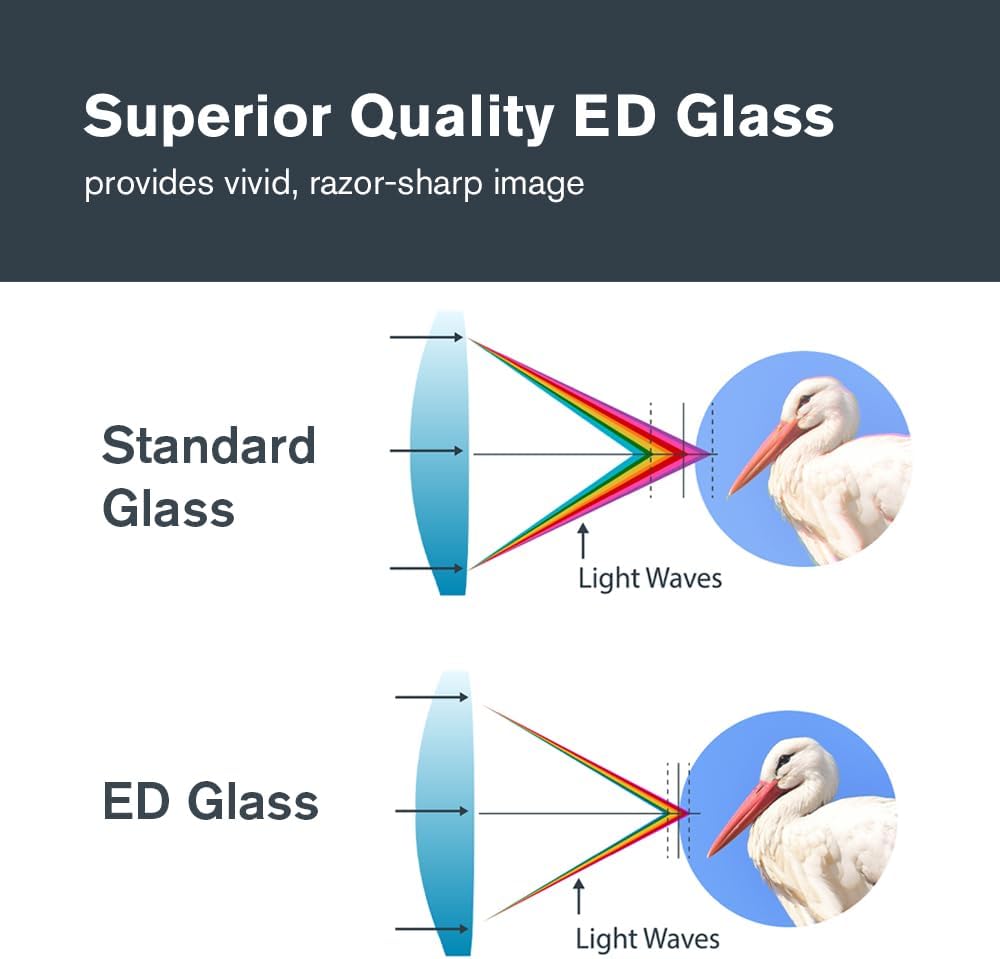
ED glassstands for Extra-low Dispersion glass. It helps reduce color blur. This gives clearer and sharper images. Birds and animals look more real through ED glass binoculars. Colors are bright and details are easy to see.
Some important factorsto think about when choosing binoculars:
- Magnification power – higher power means closer view but less steady.
- Lens size – bigger lenses gather more light for night or low light.
- Weight – lighter binoculars are easier to carry on long walks.
- Waterproof and fog-proof features for use in all weather.
- Comfortable grip and adjustable eyecups for your eyes.
| Brand | Model | Key Feature |
|---|---|---|
| Nikon | Prostaff 3S | Good optics, lightweight |
| Vortex | Diamondback HD | Strong build, sharp images |
| Zeiss | Conquest HD | Excellent clarity, durable |
Setting Up Your Binoculars
Adjust the binoculars so your eyes are comfortable with the eyepieces. Eye relief is the distance your eyes stay from the lenses. Move the eyecups in or out to find the best distance. This helps you see the full image without dark edges.
Turn the central focus wheel slowly to make the image sharp. Focus on a clear object nearby. Then, close one eye and adjust the diopter ring on the other eyepiece. This fine-tunes the view for your eyes.
To get the clearest picture, check both eyes are focused equally. Look at a detailed object far away. Adjust the focus wheel gently until the object is clear. Small changes can make a big difference in sharpness.
Techniques For Effective Nature Observation
Hold binoculars steady with both hands. Rest elbows on a solid surface for stability. Use a tripod if available to keep the view clear. Stand or sit in a comfortable position to avoid shaking.
- Scan slowly from side to side to cover wide areas.
- Pause to focus on any movement or sound.
- Spot wildlife by looking for shapes or colors that stand out.
| Environment | Tips for Using Binoculars |
|---|---|
| Forest | Look for animals near clearings and listen carefully for sounds. |
| Open Fields | Use wide scans to spot movement far away. |
| Water Bodies | Focus on shorelines and watch for birds or fish. |
Maintenance And Care
Clean the lenses gentlywith a soft cloth made for glasses. Avoid using paper towels or rough fabrics that can scratch the lens. Use a small brush or air blower to remove dust before wiping.
Keep binoculars in a protective casewhen not in use. Store them in a cool, dry place to prevent mold and damage from moisture. Avoid leaving them in direct sunlight or hot cars.
- Do not touch lenses with fingers to avoid smudges.
- Close the lens caps before storing.
- Check for loose screws or parts regularly.
- Use a lens cleaning solution only if needed.
- Keep binoculars away from strong chemicals and sprays.
Regularly check and clean the binoculars to keep them working well. Proper care extends their life and keeps views clear.
Expert Recommendations
Adjust the focus slowly to see clear images of birds and animals. Hold the binoculars steady to avoid blurry views and enjoy nature’s details. Choose a quiet spot and be patient to catch the best moments.
Advanced Observation Techniques
Hold your binoculars steady using both hands. Use a neck strap to reduce shaking. Focus slowly on your subject to get a clear view. Adjust the eyecups to fit your eyes. Try to observe during early morning or late afternoon for better light and animal activity. Scan areas gently to avoid startling wildlife. Use the zoom feature carefully; too much zoom can blur the image.
Troubleshooting Common Issues
- Blurry view? Adjust the focus wheel until sharp.
- Double image? Check the alignment of the binoculars.
- Fog inside lenses? Store in a dry place or use anti-fog wipes.
- Uncomfortable fit? Change eyecup positions or adjust the interpupillary distance.
Enhancing Your Observation Experience
Wear comfortable clothes that blend with nature colors. Carry a small notebook to jot down sightings. Use a tripod for long observation sessions. Stay quiet and move slowly to avoid scaring animals. Clean lenses regularly with a soft cloth for clear views. Take breaks to rest your eyes and avoid fatigue.
Credit: www.ubuy.uz

Credit: www.walmart.com
Frequently Asked Questions
How Do I Adjust Ed Glass Binoculars For Clear Focus?
To adjust, first set the central focus wheel until the image sharpens. Then, use the diopter ring to fine-tune based on your dominant eye. This ensures a crisp and clear view during nature observation.
What Is The Best Way To Hold Ed Glass Binoculars?
Hold binoculars steadily with both hands, elbows close to your body. This reduces shake and improves image stability. A steady grip enhances your viewing experience in nature.
How Can I Optimize Ed Glass Binoculars For Low Light?
Use wide objective lenses and keep lenses clean for better light capture. Adjust focus slowly to enhance clarity. These steps improve visibility during dawn, dusk, or shaded environments.
How Close Can Ed Glass Binoculars Focus On Nature Objects?
Most Ed Glass binoculars focus as close as 6 to 10 feet. This allows detailed observation of nearby plants and insects. Check your model’s minimum focus distance for best results.
Conclusion
Using ED glass binoculars enhances your nature observation experience greatly. They offer clear, sharp views of distant wildlife and landscapes. Adjust the focus slowly for the best image. Keep your hands steady to avoid blurry sights. Practice often to get comfortable with the binoculars.
Enjoy peaceful moments watching birds, animals, and plants closely. These binoculars make outdoor adventures more fun and rewarding. Remember, patience and care improve your viewing skills. Nature reveals its beauty best through careful observation. Keep exploring and appreciating the world around you.