Are you worried about your ED glass binoculars getting damaged during the cold winter months? You’ve invested in quality optics, and now it’s crucial to protect them when the temperature drops.
Proper storage can keep your binoculars in perfect condition, ready for your next outdoor adventure. You’ll discover simple yet effective tips to store your ED glass binoculars safely through winter. Keep reading to ensure your gear stays sharp, clear, and ready to use when spring arrives.
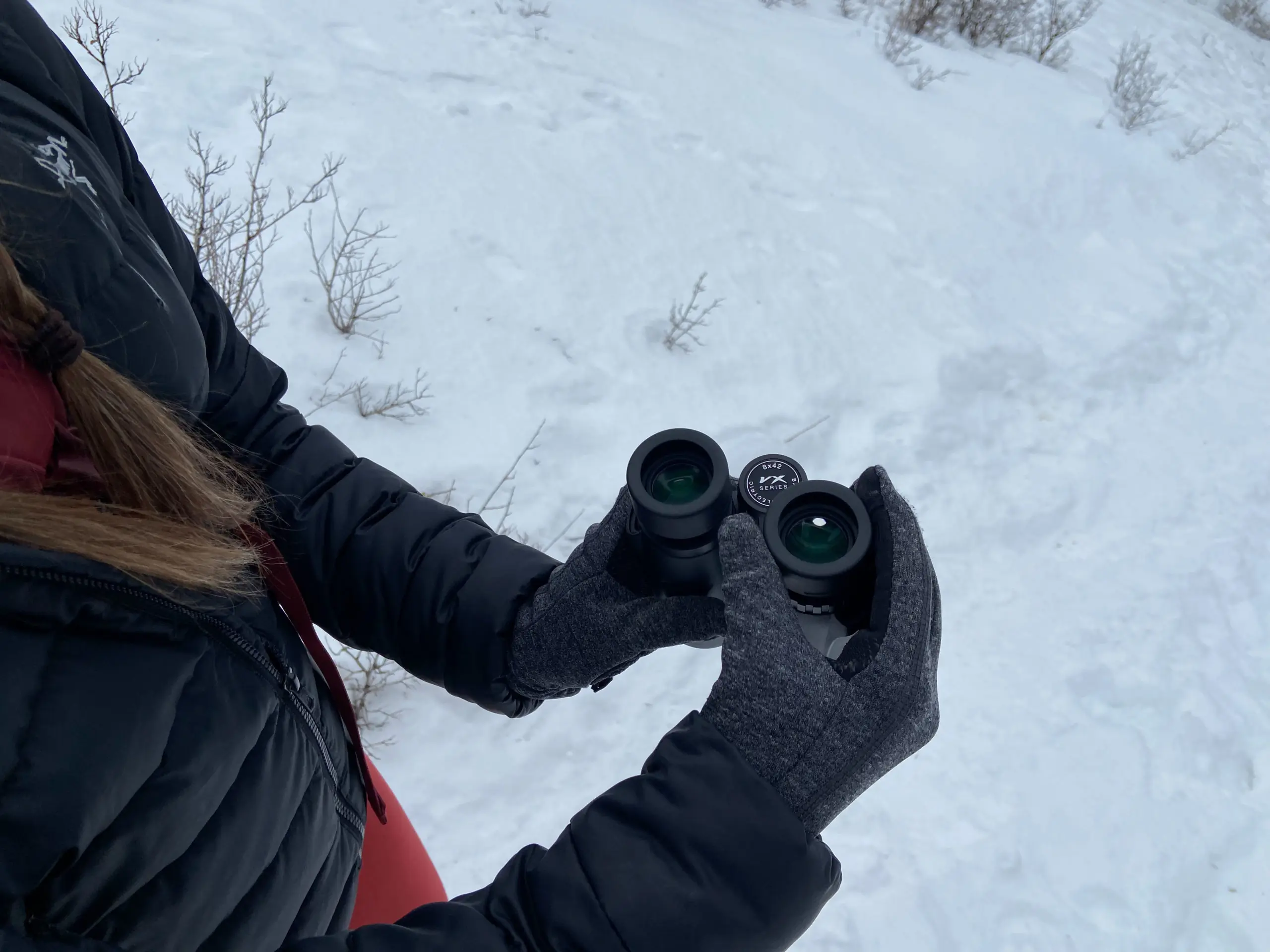
Credit: gearjunkie.com
Preparing Binoculars For Storage
Start by gently cleaning the lenses with a soft, lint-free cloth. Avoid using paper towels or rough fabrics that can scratch the glass. Use a lens cleaner made for optics or a mixture of water and mild soap. Wipe in a circular motion to remove dust and smudges without pressing hard.
Check the binoculars for any signs of damage. Look for cracks, loose parts, or moisture inside the lenses. Small damages can get worse if stored without repair. Tighten any loose screws carefully, but don’t force them. If you find serious damage, consider professional repair before storage.
Choosing The Right Storage Environment
Choose a storage place with stable temperature. Extreme cold or heat can harm the binoculars. Avoid areas that freeze or get very hot.
Ideal temperature for storing ED glass binoculars is between 40°F and 70°F. This keeps lenses and seals safe.
Humidity is a big risk. Too much moisture causes fogginginside lenses and moldon optics.
- Store binoculars in a dry spot.
- Use silica gel packets to absorb moisture.
- Avoid basements or places prone to dampness.
Keep the storage area well-ventilated but not drafty. This helps control humidity without sudden temperature changes.
Packing And Protecting Binoculars
Protective cases keep binoculars safe from dust, moisture, and scratches. Choose a case that fits snugly to avoid movement inside. Soft cases offer light protection, while hard cases guard against strong impacts. Store binoculars in their case when not in use.
Avoid placing heavy items on top of binocular cases. Excessive pressure can damage the lenses and internal parts. Keep them in a dry place with stable temperature to prevent fogging or mold growth. Use silica gel packs to absorb moisture inside the case.
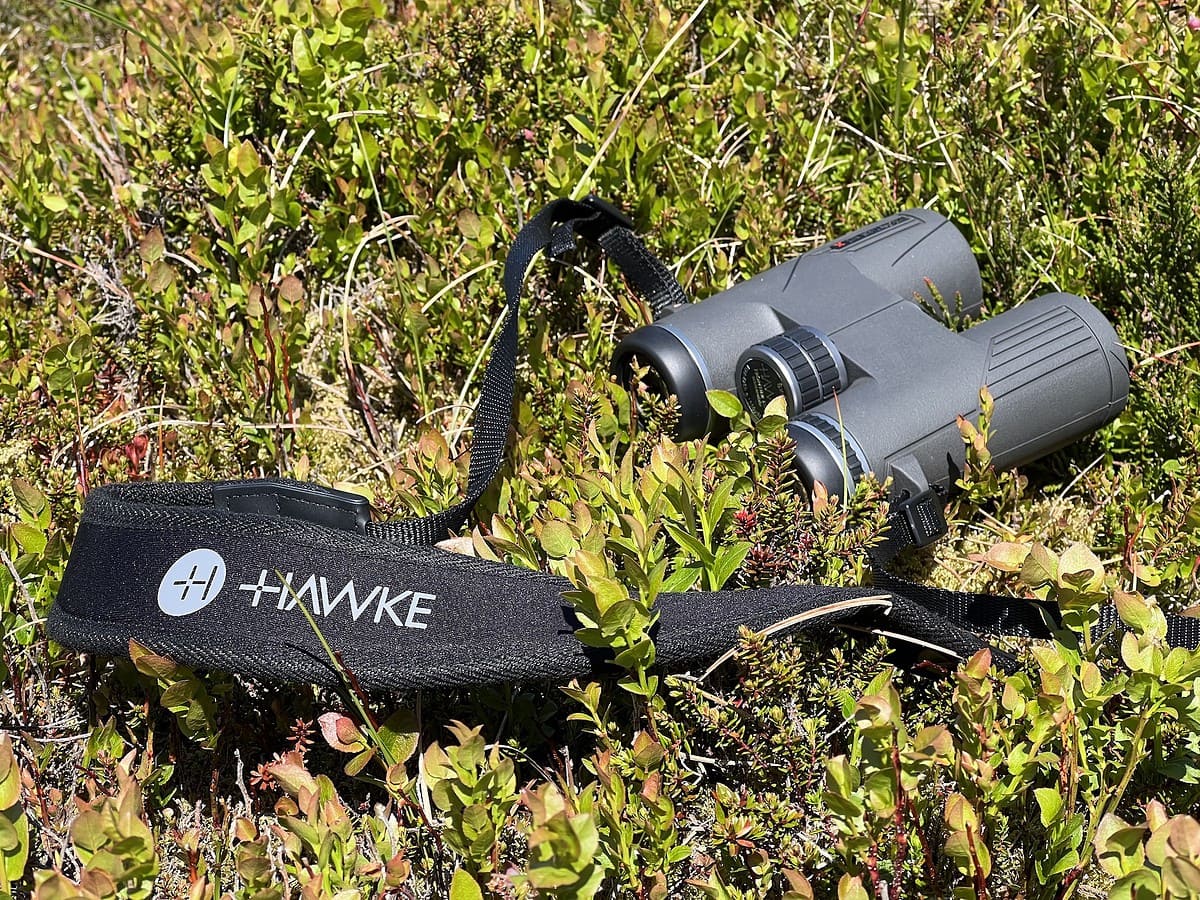
Credit: www.beyondtheedge.co.uk
Maintaining Binoculars During Winter
Regular check-ups keep binoculars in good conditionduring winter. Clean lenses with a soft cloth to remove dust. Check for any moistureinside the binoculars to avoid damage. Store them in a dry placeto prevent mold growth. Inspect the focus and eyepiece for smooth movement. Regular maintenance helps binoculars last longer.
Handling binoculars with care is very important. Always carry them using a strap to avoid drops. Avoid touching the lenses with fingers to keep them clean. Use a protective case to guard against cold and dust. Keep binoculars away from extreme cold to prevent cracks. Gentle use ensures they stay functional through winter.
Common Mistakes To Avoid
Avoid placing binoculars where moisture can build up. Cold and damp places cause fogginginside lenses.
Do not store binoculars near heat sources. Rapid temperature changes may damagethe glass and seals.
- Use a dry, ventilatedstorage area.
- Keep binoculars in their protective case.
- Avoid plastic bags that trap moisture.
- Silica gel packs help absorb moisture inside the case.
Cleaning with rough cloths may scratchlenses. Use a soft microfiber cloth only.
Do not use household cleaners. They can harmlens coatings.
Remove dust gently. Avoid pressing hard on lenses.

Credit: www.amazon.com
Frequently Asked Questions
How Should I Clean Ed Glass Binoculars Before Winter Storage?
Clean your binoculars gently with a soft cloth to remove dirt. Use a blower to clear dust from lenses. Avoid harsh chemicals to protect lens coatings. Proper cleaning prevents damage during storage.
What Is The Ideal Temperature For Storing Binoculars In Winter?
Store binoculars in a cool, dry place between 40°F and 70°F. Avoid extreme cold or heat to protect internal components. Stable temperatures prevent fogging and damage.
Should I Remove Batteries Before Storing Binoculars In Winter?
Yes, always remove batteries to prevent corrosion and leakage. This protects the binoculars’ electronic parts. Store batteries separately in a cool, dry spot.
How Can I Prevent Moisture Damage During Winter Storage?
Use silica gel packets inside the binocular case to absorb moisture. Keep the storage area dry and well-ventilated. Proper moisture control prevents mold and fogging.
Conclusion
Proper storage keeps ED glass binoculars safe during winter months. Always clean lenses before storing them away. Use a dry, cool place to avoid moisture damage. Keep binoculars in a padded case to protect from bumps. Avoid storing near heaters or in damp areas.
Check them occasionally to ensure no mold or dust builds up. These simple steps help maintain clarity and extend the life of your binoculars. Enjoy clear views again when spring arrives. Taking care now saves money and hassle later.