Have you ever been out enjoying nature or watching a game, only to have your binoculars fog up at the worst moment? It’s frustrating when your view gets blurry just as you’re about to see something amazing.
If you use tripod compatible binoculars, you might think fogging is just part of the experience. But it doesn’t have to be. You’ll discover simple and effective ways to keep your binoculars clear and fog-free. Keep reading to make sure your next adventure gives you the sharp, clear view you deserve.

Credit: swoptics.co.uk
Choosing The Right Binoculars
Choosing binoculars with fog-resistant featuresis key for clear views. These features help stop moisture from building up inside the lenses.
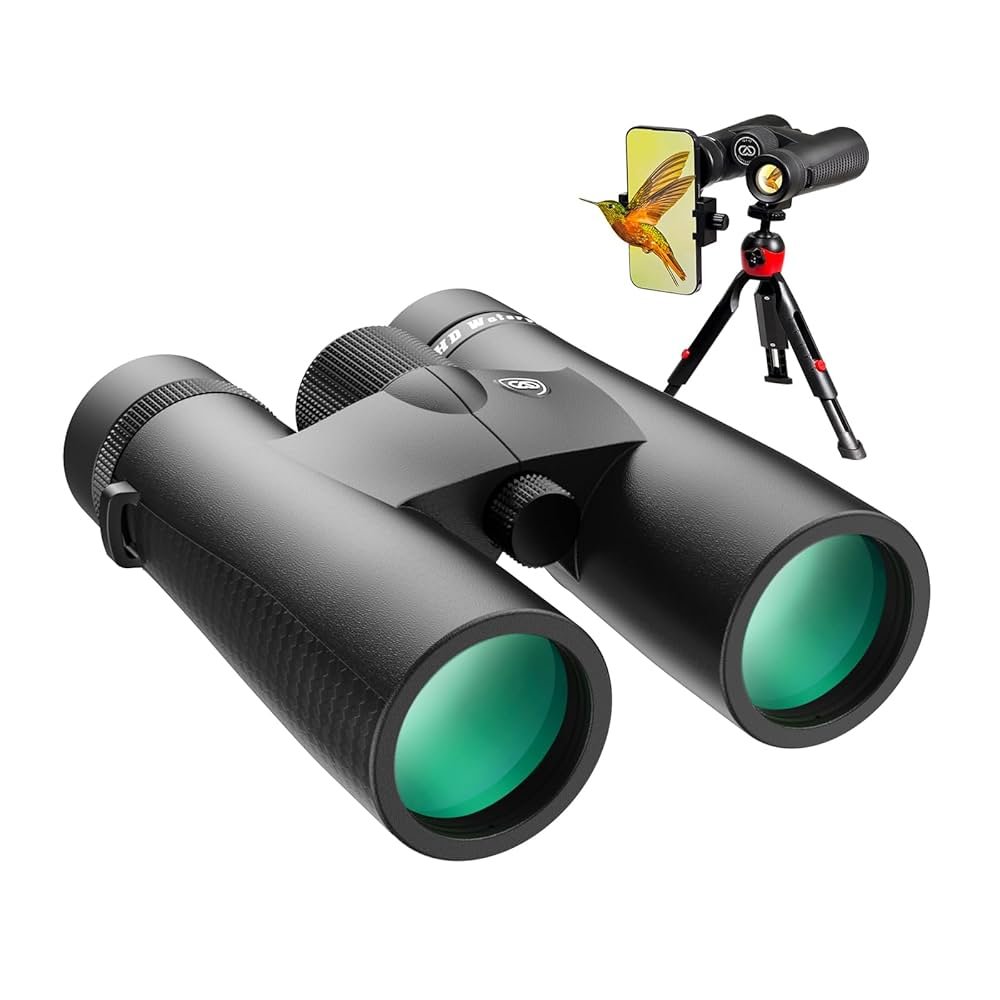
Look for binoculars that are sealed with O-ringsto keep water and air out. Many come filled with nitrogen or argon gasto prevent fogging.
Lens coatings also play a big role in reducing fog. Anti-reflective coatingsimprove light transmission and reduce glare.
Some coatings help lenses resist water and dirt, making cleaning easier. This keeps your view clear in wet or humid weather.
| Feature | Benefit |
|---|---|
| O-ring Seals | Blocks water and air to prevent fog inside |
| Gas Filling (Nitrogen/Argon) | Stops moisture buildup inside lenses |
| Anti-Reflective Lens Coatings | Improves light clarity and reduces glare |
| Hydrophobic Coatings | Repels water and dirt for easier cleaning |
Preparation Before Use
Keep the lenses clean and drybefore use. Use a soft microfiber clothto remove dust and smudges. Avoid touching the lenses with your fingers as oils cause smudging. For tough dirt, gently use lens cleaning solution made for optics. Store binoculars in a protective caseto avoid dirt buildup.
Choose a spot with stable temperatureand low humidity. Moving binoculars between warm and cold places can cause fogging. Let your binoculars adjust to the outdoor temperature before use. Avoid using binoculars near water bodieswhere moisture is high. Windy days help reduce moisture buildup on lenses.
Proper Usage Techniques
Adjust the focus wheelslowly to get a sharp image. Avoid forcing it, as that can cause damage. Use the diopter adjustmentto match your eyes. This helps reduce eye strain and fogging.
Keep the binoculars close to your eyes. Position them so the lenses fit your face shape. This blocks warm air from your breath, which causes fogging. Angle the binoculars slightly downward if needed.
- Do not touch lenses with fingers; oils cause fogging.
- Use a lens cloth to clean dirt and moisture.
- Keep binoculars in a dry case when not in use.
Maintenance And Care
Cleaning the lenses often stops fog from forming. Use a soft cloth made for glasses. Avoid rough materials that can scratch lenses. Wipe lenses gently in circular motions. Clean the binocular body with a dry cloth to remove dust and dirt. Do not use harsh chemicals or water directly on lenses.
Keep binoculars in a dry, cool place. Use a protective case to avoid dust and moisture. Avoid leaving binoculars in direct sunlight or wet areas. Store them with lens caps on to protect the glass. Good storage helps keep binoculars clear and ready to use.
Environmental Adaptations
Humiditycan cause fog inside binoculars. Keep them dry to avoid this. Use a small silica gel packinside the binocular case to absorb moisture. Store binoculars in a cool, dry placeto reduce fog risk.
Protective covershelp shield binoculars from sudden temperature changes. Use a waterproof coverduring rain or fog. Covers also block dust and dirt, which can affect the lenses.
- Always keep covers on when not in use.
- Choose covers that fit snugly to avoid air gaps.
- Remove covers slowly to prevent warm air from entering.

Credit: www.amazon.com
Expert Tips For Fog Prevention
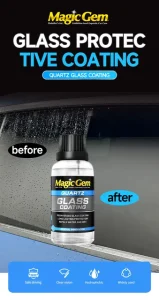
Anti-fog solutions help keep binocular lenses clear. Apply a small amount of these liquids or wipes on the lenses before use. They create a thin layer that stops moisture from forming droplets.
Use lens covers when not in use. This prevents dust and moisture from settling on the lenses. Store binoculars in a dry case to avoid humidity.
Choosing the right gear for weather is key. Look for binoculars with waterproof and fog-proof features. These have special seals and gas fillings that reduce fogging inside the lenses.
Dress warmly and avoid sudden temperature changes. Carry a microfiber cloth to gently wipe lenses if fog appears.

Credit: www.opticscentral.com.au
Frequently Asked Questions
How Can I Prevent Fogging On Tripod Binoculars?
To prevent fogging, use anti-fog sprays or wipes on lenses. Keep binoculars in a dry, ventilated area and use lens covers when not in use.
Why Do Tripod Binoculars Fog Up Easily?
Tripod binoculars fog due to temperature changes and moisture buildup. Lack of proper sealing or ventilation worsens fogging issues.
Are There Special Coatings To Reduce Fog On Binoculars?
Yes, many binoculars have hydrophobic or anti-fog coatings. These coatings repel moisture and reduce fog buildup on lenses.
Can Storing Binoculars In Silica Gel Help Fogging?
Yes, silica gel absorbs moisture, reducing internal fogging. Store binoculars with silica packs in their case to keep them dry.
Conclusion
Fogging on tripod compatible binoculars can spoil your viewing experience. Keep lenses clean and dry to reduce fog build-up. Store binoculars in a cool, dry place after use. Use anti-fog sprays or wipes for extra protection. Let your binoculars adjust to outdoor temperatures before use.
Small steps make a big difference in clear vision. Enjoy sharp, fog-free views every time you go outside. Stay patient and consistent with these simple habits. Clear optics lead to better adventures and happy eyes.