Are you worried about your birding binoculars surviving the cold winter months? You’ve invested time and money in your gear, so protecting it is crucial.
If you store them the wrong way, moisture, frost, or dust could damage your lenses or mechanics. But don’t worry—keeping your binoculars safe during winter is easier than you think. You’ll discover simple, effective steps to store your birding binoculars properly, so they stay sharp and ready for your next outdoor adventure.
Keep reading to learn how to protect your valuable equipment and enjoy clear views all year round.
Winter Storage Essentials
Store birding binoculars in a dry place to avoid damage. Moisture can cause foggingand mold. Keep them in a soft case or pouch to protect from dust and scratches. Avoid places with extreme coldor heat, like near windows or heaters.
Before storing, wipe lenses gently with a microfiber cloth. This removes dirt and oils. Remove batteries if your binoculars use them. Batteries can leak and damage the device during cold months.
- Use silica gel packets to keep moisture away inside the case.
- Store binoculars in a well-ventilated area to prevent mildew.
- Check on them occasionally to ensure no moisture or damage.
Choosing The Right Location
Choose a place where temperature stays steady. Avoid spots near heaters or windows. Cold or hot spots can harm binocular lenses and seals. Sudden temperature changes cause fog inside lenses.
Keep binoculars away from damp areas. Humidity can cause mold and rust. Use a dry container or bag for storage. Silica gel packs help soak up moisture.
- Store in a cool, dry place.
- Avoid attics or basements with moisture.
- Use airtight boxes or cases.
- Check and replace silica gel regularly.
Preparing Binoculars For Storage
Cleaning the lenseswith a soft, dry cloth removes dust and dirt. Avoid using harsh chemicals that can damage the lens coating. Wipe the bodygently with a damp cloth to clear dirt and grime. Make sure the binoculars are fully dry before storing them.
Using protective covershelps keep dust and moisture away. A padded case offers extra protection against bumps and drops. Store binoculars in a cool, dry place inside the case. Avoid places with high humidity to stop mold growth.

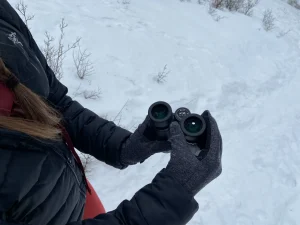
Credit: gearjunkie.com
Maintaining Optics Quality
Using desiccantsand moisture absorbershelps keep binoculars dry. Silica gel packets absorb dampness inside storage cases. Replace or recharge these packets often to maintain their effect. Store binoculars in a sealed container with desiccants to prevent mold and fogging.
Regular routine checksare vital. Inspect lenses for dirt, dust, or moisture. Wipe them gently with a soft cloth. Check for any damage or loose parts. Dry the binoculars thoroughly before storage to avoid rust and corrosion. Keeping them clean and dry extends their lifespan and performance.
Long-term Care Techniques
Remove batteries from digital binoculars before storing them. Batteries can leak and damage the device if left inside. Use fresh batteries when you use the binoculars again. Store batteries in a cool, dry place to keep them working well.
Keep a regular maintenance schedule to extend binocular life. Clean lenses with a soft cloth to avoid scratches. Check for dirt or moisture inside the binoculars. Store them in a dry, padded case to protect from bumps and dust.
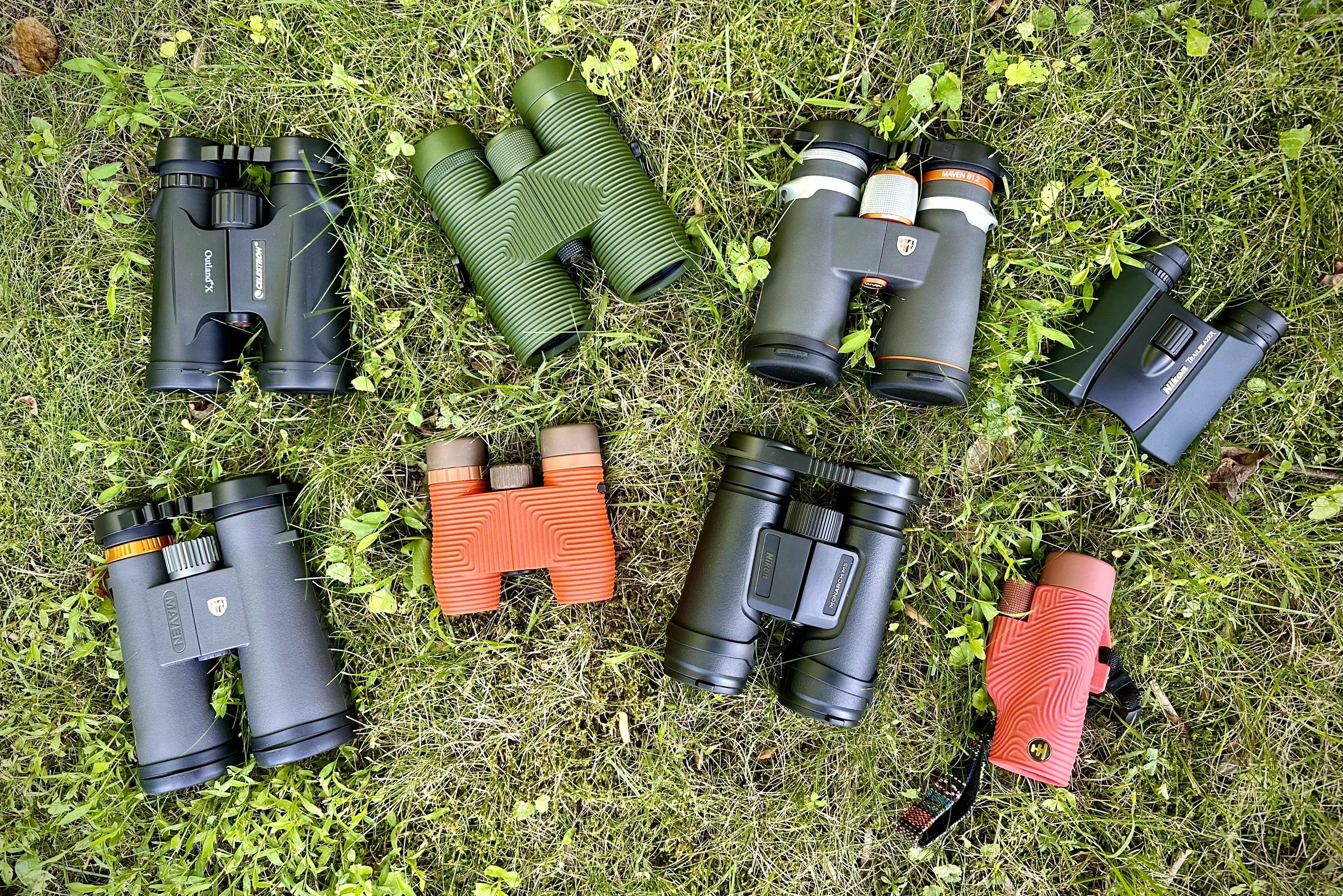
Credit: gearjunkie.com
Expert Recommendations
Storing birding binoculars properly helps keep them safe and ready. Use a dry, cool placeaway from direct sunlight. Avoid damp areas to stop mold growth. Clean lenses gently with a soft cloth before storage.
Top brands like Nikon, Swarovski, and Vortexoffer cases designed for winter storage. These cases protect against dust, moisture, and scratches. Use silica gel packets inside the case to absorb moisture. Always keep the binoculars in their case when not in use.
| Accessory | Purpose | Benefit |
|---|---|---|
| Hard Shell Case | Protects binoculars from impact | Prevents damage during storage |
| Silica Gel Packets | Absorbs moisture | Keeps lenses dry and clear |
| Lens Cloth | Removes dust and smudges | Maintains clear vision |

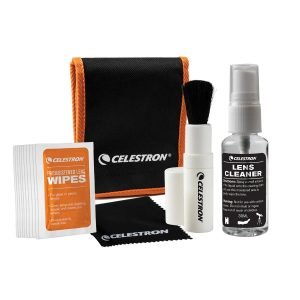
Credit: www.celestron.com
Frequently Asked Questions
How Should I Clean Binoculars Before Winter Storage?
Clean binoculars with a soft cloth and lens cleaner. Remove dirt and moisture to prevent mold and damage during storage. Avoid harsh chemicals to protect lens coatings.
What Is The Ideal Storage Temperature For Birding Binoculars?
Store binoculars in a cool, dry place between 40°F and 70°F. Avoid extreme cold or heat, which can damage internal components and lens seals.
Should I Remove Batteries From Binoculars In Winter?
Yes, remove batteries to prevent leakage and corrosion. Store batteries separately in a cool, dry place. This ensures your binoculars stay safe during long storage.
How To Protect Binoculars From Moisture During Winter?
Use silica gel packs or moisture absorbers inside the storage case. Keep the binoculars in a waterproof, airtight container to prevent mold and fogging.
Conclusion
Storing birding binoculars properly keeps them safe through winter. Clean lenses and dry surfaces prevent damage. Use a soft case to protect from dust and scratches. Keep them in a cool, dry place away from sunlight. Avoid places with high moisture or extreme cold.
Check your binoculars regularly during storage. Taking simple steps ensures they work well next season. Ready for birdwatching when spring arrives. Easy care means long-lasting enjoyment.