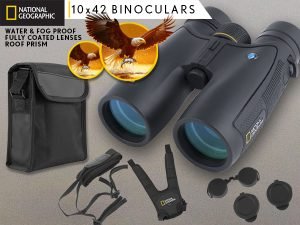
Are you struggling to get your kids’ binoculars to focus clearly? It can be frustrating when your little explorer can’t see the birds, animals, or distant objects sharply.
But don’t worry—focusing kids’ binoculars is easier than you think. In this guide, you’ll learn simple, step-by-step tips to help your child enjoy crisp, clear views every time. Keep reading, and you’ll turn those blurry images into exciting discoveries your kids won’t want to miss!
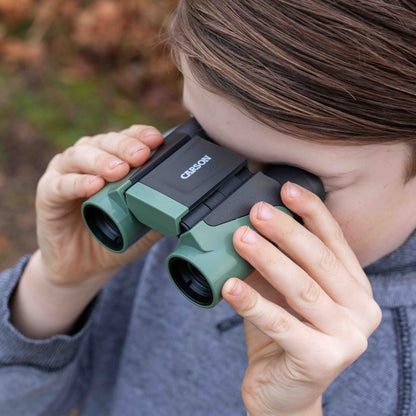
Credit: shop.nybooks.com
Choosing The Right Binoculars
Choose binoculars that fit the child’s age and size. Smaller hands need lighter, compact models. For kids aged 3-5, binoculars with a low magnification (around 4x) work best. Older kids can use models with higher magnification (6x or 8x).
Look for features that make focusing easy and quick. Adjustable focus knobshelp children focus on objects clearly. Binoculars with rubber gripsprevent slipping during use. A sturdy, shockproof designensures durability for outdoor adventures.
| Feature | Why It Matters |
|---|---|
| Low Magnification | Easier to hold steady and focus |
| Adjustable Focus | Allows clear, sharp images |
| Rubber Grip | Prevents slipping and improves comfort |
| Durability | Withstands drops and rough handling |
Understanding Binocular Components
Binoculars have two main parts for seeing clearly: lensesand prisms. Lenses are glass pieces that help focus light. Prisms flip the image so it looks right side up. Both parts work together to give a clear view.
The focusing mechanismadjusts the distance between lenses. This helps the eyes see things sharply. There is usually a center wheel or knob to turn. Turning it moves the lenses closer or farther apart. This makes objects look clear and not blurry.
- Look through the binoculars gently.
- Turn the focus wheel slowly.
- Stop when the image looks sharp and clear.
- Check each eye separately if binoculars have an eye adjustment.
Initial Setup And Adjustments
Begin by adjusting the central focus wheel until the image appears clear. Next, fine-tune each eyepiece to match your child’s eyesight for sharp viewing. Regular small adjustments help maintain perfect focus.
Adjusting The Eyepiece
Turn the eyepiece slowly to bring objects into clear view. Look through the binoculars at something far away. Move the eyepiece until the object looks sharp and not blurry. Stop turning as soon as the image is clear. This helps kids see better and enjoy using the binoculars.
Setting The Interpupillary Distance
Hold the binoculars and gently pull or push the two barrels together. Adjust until you see one round image instead of two. The distance between the eyepieces should match the space between your eyes. This makes the view comfortable and easy to focus for children.

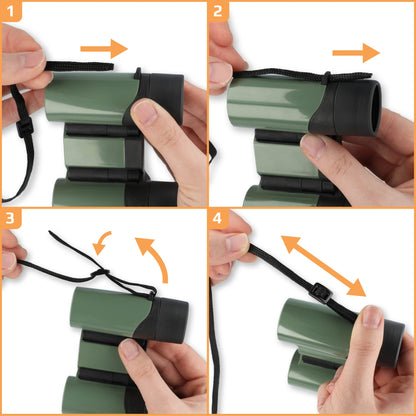
Credit: www.amazon.com
Techniques For Focusing Binoculars
Use the central focus wheelto adjust both eyepieces at once. Hold the binoculars up and look at a distant object. Slowly turn the wheel until the image becomes clear and sharp.
Next, use the diopter adjustmentto fine-tune focus for each eye. Close your right eye and look through the left eyepiece. Turn the central wheel to focus clearly on the object.
Now, close your left eye and open your right eye. Adjust the diopter ring on the right eyepiece until the object looks sharp. This step matches the focus to your eyes.
- Start with both eyes open and adjust central wheel.
- Close right eye, focus left eye with central wheel.
- Close left eye, adjust right eye with diopter ring.
- Open both eyes and check clarity.
Tips For Clear Viewing
Hold the binoculars steady to avoid blurry images. Rest your elbows on a table or use both hands for support. Breathe slowly and gently to reduce shaking. Focus each eyepiece by turning the center knob until objects look sharp. Adjust the diopter ring on one eyepiece to match your eyes. Look through the binoculars at a distant object to test focus.
| Common Issues | Simple Fixes |
|---|---|
| Blurry images | Adjust the focus knob slowly until clear |
| Double vision | Align the binoculars with both eyes carefully |
| Shaky view | Hold steady with both hands or rest elbows |
| Eye strain | Take breaks and adjust the eyepieces |
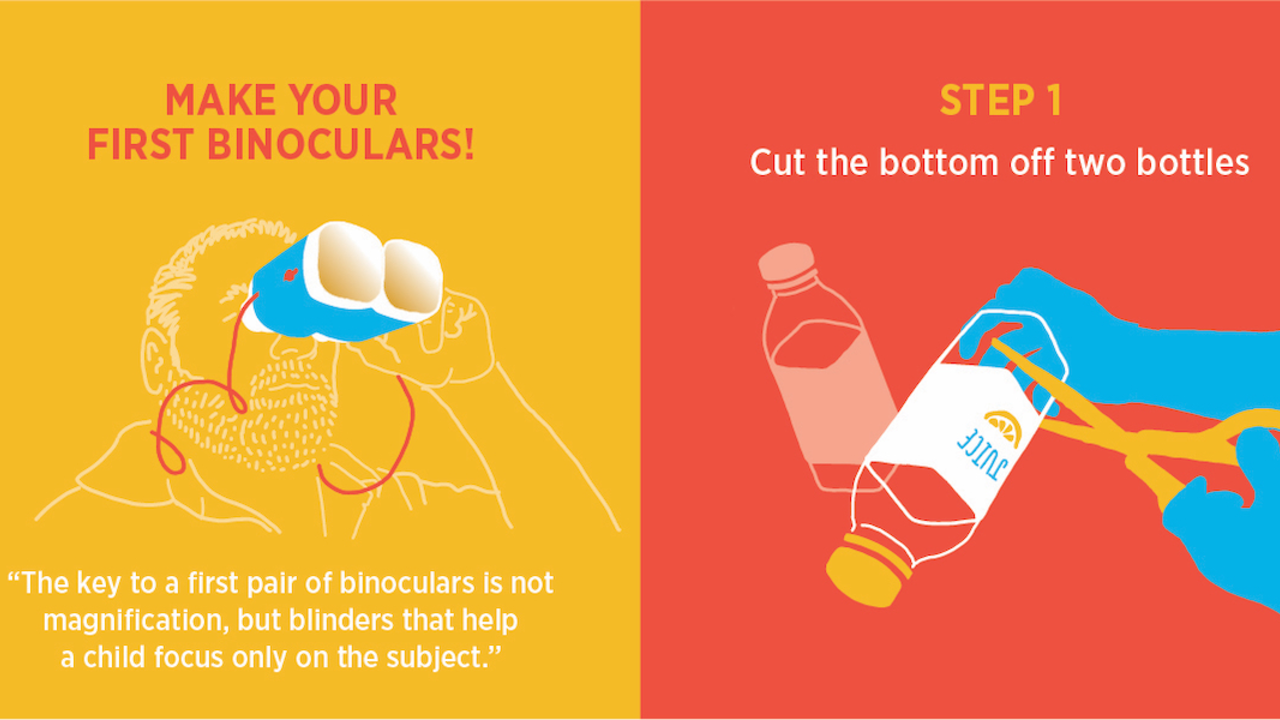
Credit: www.parksconservancy.org
Engaging Kids In Outdoor Exploration
Encouraging kids to explore nature sparks curiosityand learning. Binoculars help children see far away things like birds, trees, and animals.
Start by teaching them how to hold the binoculars steady. Show how to adjust the focus gently. Let kids try focusing on objects nearby first, then farther away.
- Choose safe places like parks or gardens for exploration.
- Make sure the area is free from dangers like busy roads.
- Keep activities short to hold their attention.
- Pair binocular use with fun games or storytelling.
These steps make using binoculars a safeand funactivity that kids love. It also helps them observe the world closely, building patienceand focus.
Frequently Asked Questions
How Do I Adjust Focus On Kids Binoculars?
To focus kids binoculars, first set the eyepieces for each eye. Then, use the central focus wheel to sharpen the image. Adjust slowly until the view is clear and comfortable for the child’s eyes.
Why Is My Kids Binoculars Blurry?
Blurriness often occurs if the focus is not properly adjusted. Check the eyepiece settings and use the central focus wheel. Also, ensure the binoculars are held steady and at the right distance from the eyes.
Can Kids Adjust Binoculars By Themselves?
Yes, most kids binoculars are designed for easy self-adjustment. Teach children to use the central focus wheel and eyepiece diopters. This helps them independently achieve a clear view and enjoy exploring nature.
How To Prevent Kids Binoculars From Losing Focus?
Keep the focus wheel clean and avoid dropping the binoculars. Store them properly in a case when not in use. Encourage kids to handle binoculars gently to maintain consistent focus quality.
Conclusion
Focusing kids binoculars is simple with practice and patience. Start by adjusting the center focus wheel gently. Then, align each eyepiece to match your child’s eyes. Encourage kids to look at distant objects while turning the focus. This helps sharpen the view and makes exploring fun.
Regular use improves their skills and confidence. Clear vision brings joy and sparks curiosity in nature. Keep the process fun and stress-free for best results. Kids will enjoy watching birds, animals, and landscapes with ease.