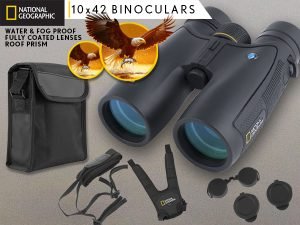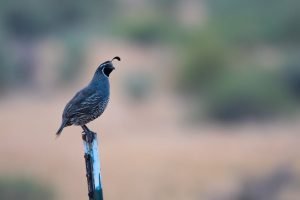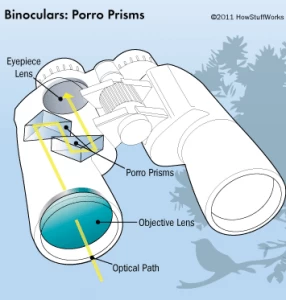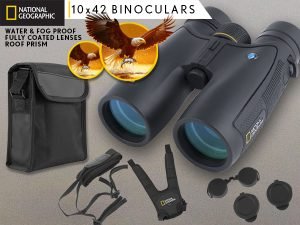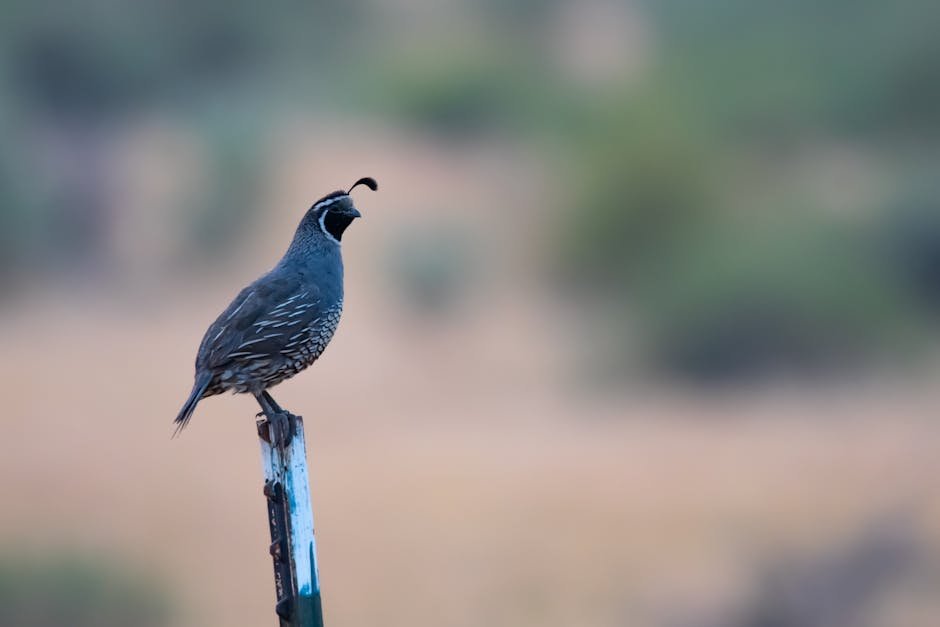
When you’re out birdwatching, every moment counts. The right binoculars can make all the difference in spotting that rare bird quickly and clearly.
But have you ever wondered what the best field of view is for birding binoculars? Choosing the right field of view can help you see more of the scene without moving your binoculars too much, making your experience smoother and more enjoyable.
You’ll discover exactly what field of view means, why it matters, and how to pick the perfect one for your birding adventures. Keep reading to find out how to see more birds with less effort!
Factors Affecting Field Of View
Magnificationaffects how much you can see through binoculars. Higher magnification shows more detail but narrows the field of view. Lower magnification gives a wider view, which helps spot birds faster.
The objective lens sizecontrols how much light enters the binoculars. Bigger lenses give a brighter and clearer image, improving the view in low light. They can also slightly increase the field of view.
Eyepiece designchanges how wide and clear the view feels. Some eyepieces give a broader field of viewby using special lenses. The shape and size affect how comfortable it is to use the binoculars for long periods.
Importance Of Field Of View In Birding
Field of viewis very important in birding binoculars. It helps you see more areawithout moving the binoculars. A wider view means you can locate birds faster, especially if they move quickly or hide in trees.
Tracking birds is easier with a wide field of view. You can follow their fast movementswithout losing sight. This makes watching birds more fun and less frustrating.
With a better view, your observation becomes clearer and more detailed. You can notice bird behaviorsand colorsmore easily. This helps you learn about birds and enjoy birding more.
Standard Field Of View Measurements
Field of view (FOV)shows how much area you see through binoculars. It is measured in degreesor feet at 1000 yards. Degrees tell the angle of view, while feet show the width of view at distance.
A typical birding binocular has a FOV between 5 to 8 degrees, or about 260 to 420 feet at 1000 yards. Wider FOV lets you see more area. Narrow FOV shows less but can be sharper.
| FOV Type | Degrees | Feet at 1000 Yards | Use |
|---|---|---|---|
| Narrow View | 5° – 6° | 260 – 310 ft | Good for distant birds, more detail |
| Wide View | 7° – 8° | 350 – 420 ft | Better for scanning, fast-moving birds |
- Wide viewshelp find birds quickly.
- Narrow viewsshow birds clearly at distance.
- Choose based on birding style and terrain.
:max_bytes(150000):strip_icc()/tal-opticron-oregon-4-pc-oasis-8x42-binocular-kathryn-braet-5-92012e7d06b945acbff37493422bab6a.jpeg)
Credit: www.travelandleisure.com
Choosing The Right Binoculars
Choosing binoculars means picking the right size. Compact binocularsare small and easy to carry. They fit well in pockets and bags. But their field of viewis usually smaller. This means you see less area at once.
Full-size binocularsare bigger and heavier. They give a wider field of view. This helps to spot birds easier. But they can be tiring to hold for long times.
Magnification and field of view must be balanced. Higher magnification shows more detail but narrows the view. Lower magnification shows a wider area but less detail. A field of viewbetween 300 and 400 feet at 1000 yardsworks well for most birders.
User comfort is key. Look for binoculars with soft eye cups and good grip. Make sure they feel steady in your hands. Lightweight models reduce fatigue during long walks.
Field Of View Recommendations For Birding
A wide field of view helps spot birds quickly and easily. Binoculars with 300-400 feet at 1000 yards work best for birding. This range shows more area without losing detail.
Best Practices For Beginners
Choose binoculars with a wide field of viewto easily spot birds. A field of view around 300 to 350 feet at 1000 yardsworks well. This allows beginners to see more area without moving the binoculars too much. Lightweight and easy-to-use binoculars help with longer bird watching sessions. Focus on comfort and clear images.
Advanced Birding Tips
Experienced birders often prefer a narrower field of viewfor detailed observation. A range near 250 to 300 feet at 1000 yardshelps to focus on specific birds. Using binoculars with a higher magnification can reduce field of view but improve detail. Steady hands or a tripod can make this easier. Balance between view size and clarity is key.
Optimal Field Of View Range
| Birding Level | Field of View (feet at 1000 yards) | Benefits |
|---|---|---|
| Beginner | 300-350 | Easy spotting, wide view, comfortable for new users |
| Intermediate | 280-320 | Balanced view and detail, good for varied environments |
| Advanced | 250-300 | Better detail, focused view for specific bird watching |
Expert Opinions And Insights
Experts suggest a wider field of view helps spot birds quickly and follow their movement easily. A range around 300 to 400 feet at 1000 yards is often ideal for birding. Choosing the right view depends on your birding style and environment.
Interviews With Experienced Birders
Many birders say a wide field of viewhelps spot birds faster. A view between 6 to 8 degreesis common. This lets you see more without moving the binoculars too much. Some prefer narrower viewsfor sharp details on distant birds. Comfort and ease matter most in long birding trips.
Common Misconceptions
Some think the widest field of view is always best. Not true. Too wide can cause image distortion. Others believe bigger numbers mean better view. But quality optics matter more than size. Balance between clarity and view widthis key.
Technological Advances
| Technology | Benefit |
|---|---|
| ED Glass | Reduces color blur for clear images |
| Phase Coating | Improves image sharpness |
| Wide-Angle Design | Offers broader views without distortion |
Modern binoculars mix these features to give a better birding view. This helps balance field of viewand image quality.
Field Testing And Reviews
Choosing the right field of view helps spot birds easily and enjoy wider scenes. A balance between wide and clear view suits most birders well. Testing different binoculars reveals what fits your birdwatching style best.
Popular Binocular Models
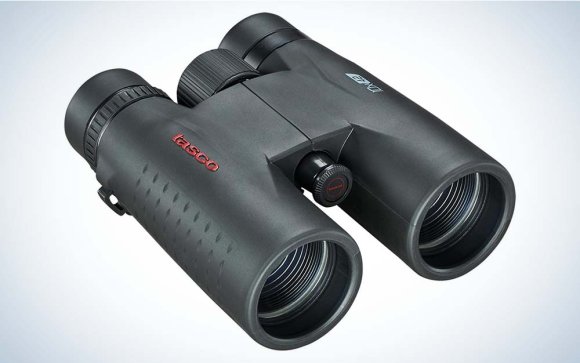
Birders often choose binoculars with a wide field of view (FOV). Models with 7x or 8x magnification and around 350-400 feet FOV at 1000 yards are favorites. These offer a good balance of clarityand wide vision. Compact designs suit long hours of use. Durability and water resistance matter too.
Comparative Analysis
| Model | Magnification | Field of View (ft/1000 yd) | Weight (oz) | Notes |
|---|---|---|---|---|
| Model A | 8x | 390 | 22 | Sharp images, wide view |
| Model B | 7x | 410 | 20 | Lightweight, good for long trips |
| Model C | 10x | 320 | 24 | Higher zoom but narrower view |
User Experience Feedback
- Users like binoculars with a wide field of viewfor easier bird spotting.
- Comfort during long use is key; lighter models get higher ratings.
- Good eye relief helps those who wear glasses.
- Many prefer 7x or 8x magnification for steady images without too much shake.
- Waterproof and fog-proof features improve outdoor use.

Credit: www.popsci.com
Credit: www.popsci.com
Frequently Asked Questions
What Is The Ideal Field Of View For Birding Binoculars?
The ideal field of view for birding binoculars is typically between 300 to 400 feet at 1000 yards. This range provides a wide enough view to easily locate and track birds while maintaining clear detail and sharpness.
How Does Field Of View Affect Bird Watching?
A wider field of view lets you scan larger areas quickly, making it easier to spot moving birds. Narrow views focus on detail but may miss fast or distant birds, reducing your overall birding experience.
Can A Larger Field Of View Reduce Image Quality?
Yes, very wide fields of view can sometimes cause edge distortion or loss of sharpness. Quality optics balance wide views with clear, crisp images, ensuring the best birding experience without compromising detail.
Why Choose Binoculars With A Narrow Field Of View?
Narrow field of view binoculars offer higher magnification and detail, ideal for observing distant birds. They suit birders focusing on specific species or stationary birds rather than scanning wide areas.
Conclusion
Choosing the right field of view in birding binoculars matters a lot. A wider view helps you spot birds faster and enjoy nature more. But too wide can make details harder to see. Find a balance that fits your style and needs.
Test different binoculars before buying to feel the difference. Good field of view makes birding easier and more fun. Keep your eyes open and enjoy every moment outdoors.