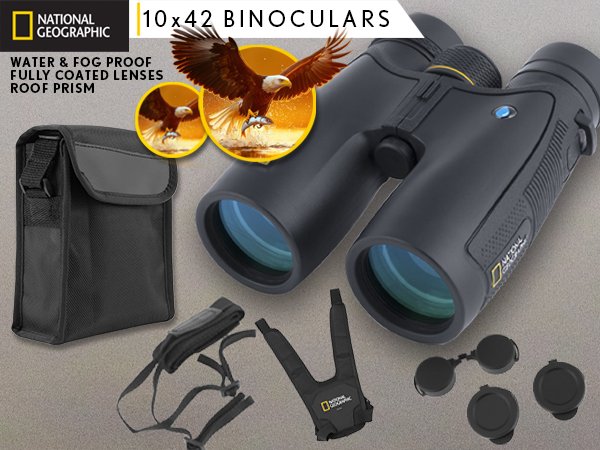
Are you ready to take your hiking adventures to the next level? Carrying roof prism binoculars the right way can make all the difference in how easily you access them and how comfortable your hike feels.
Imagine spotting wildlife or breathtaking views without fumbling or slowing down. You’ll discover simple, practical tips to carry your roof prism binoculars safely and conveniently. Keep reading to make sure your gear works with you, not against you, every step of the way.
Choosing The Right Binoculars
Weight and sizematter a lot for hiking binoculars. Heavy binoculars can tire your hands and neck quickly. Small and light ones are easier to carry all day. Look for models that fit comfortably in your hands or bag. Compact roof prism binoculars usually offer good balance between size and power.
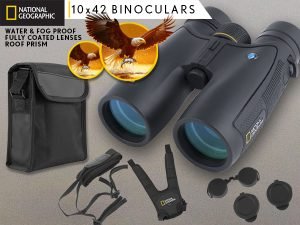
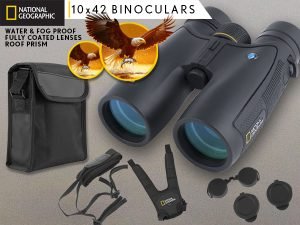
Durabilityis essential. Hiking can be rough on gear. Choose binoculars with strong, shock-resistant bodies. Rubber coatings help protect against drops and bumps. Waterproof features keep lenses clear in rain or mist. Fog-proof binoculars use special gas inside to stop moisture build-up. These features ensure your binoculars last through tough weather and rough use.

Credit: www.amazon.com
Wearing Techniques
Choosing the right harness and strapcan make carrying roof prism binoculars easier. A comfortable harnessspreads weight across your shoulders, reducing neck strain. Look for adjustable straps that keep binoculars close but allow quick access. Some harnesses have padding for extra comfort during long hikes.
Straps with quick-release buckleshelp you grab your binoculars fast. Thin straps may cut into your skin, so wider straps often feel better. Keep straps snug but not too tight to avoid discomfort.
- Wear harnesses over your jacket for added padding.
- Use straps with anti-slip features to prevent sliding.
- Make sure binoculars sit high enough to avoid bouncing.
- Check strap length regularly for a perfect fit.
Balancing comfort and accessibilitymeans your binoculars stay safe and ready. A good setup helps you enjoy the view without fuss or pain.
Packing Strategies
Place roof prism binoculars near the top of your backpack for easy access. Keep them close to your body to avoid damage during hikes. Use padded compartments or soft cloth pouches to prevent scratches.
Protective cases help shield binoculars from dust, moisture, and bumps. Choose cases with firm padding and secure closures. Water-resistant covers add extra safety in wet weather.
| Placement Tips | Protective Measures |
|---|---|
| Near top of backpack | Padded, hard cases |
| Close to the body | Water-resistant covers |
| Use soft cloth pouches | Secure closures |

Credit: www.amazon.com
Safety Precautions
Protecting binocularsfrom scratches and shocks is key on rough trails. Use a padded case or wrap them in soft cloth. Avoid placing binoculars directly on rocks or hard surfaces. Secure the strap tightly to prevent swinging or hitting obstacles.
For high activity hiking, keep binoculars close to your body. Use a harness or neck strap with a quick-release clip. This keeps binoculars stable and easy to grab. Avoid loose straps that can catch on branches or gear. Check straps often for wear and tear.
- Use a padded case or soft cloth cover.
- Keep binoculars away from sharp or hard surfaces.
- Secure straps tightly to avoid swinging.
- Use harness or neck strap with quick-release clip.
- Check straps regularly for damage.
Maintaining Performance
Keep your roof prism binoculars clean to maintain clear views. Use a soft cloth to wipe lenses gently. Avoid harsh chemicals that can damage the coating. Store binoculars in a protective case when not in use to prevent dust and scratches.
Temperature changes can affect binocular performance. Sudden cold or heat may cause fogging inside lenses. Let binoculars adjust slowly to new temperatures before use. Avoid leaving them in direct sunlight or freezing conditions for long periods.
- Wipe lenses with a microfiber cloth
- Store in a padded case
- Keep away from extreme heat or cold
- Allow binoculars to acclimate to temperature changes
Enhancing Hiking Experience
Using roof prism binocularshelps spot animals from far away. Carry them in a comfortable caseto protect from dirt and damage. Use a neck strapor harnessto keep binoculars ready and hands free. Adjust the strap to avoid swinging while walking.
Binoculars help see trail signs and maps more clearly. Keep them close for quick views of the path ahead. Use a small pouchon your belt or backpack for easy access. Make sure the binoculars do not bounce or hit your body while hiking.
- Carry binoculars in a soft or hard case
- Use a neck strap or harness for safety
- Keep binoculars within easy reach
- Adjust straps to prevent swinging
- Protect lenses with caps when not in use

Credit: www.amazon.com
Frequently Asked Questions
How Do I Safely Carry Roof Prism Binoculars Hiking?
Use a padded neck strap or harness to carry roof prism binoculars. This prevents damage and keeps them accessible during hikes.
Can I Attach Roof Prism Binoculars To My Backpack?
Yes, many backpacks have loops or straps for binoculars. Secure them tightly to avoid swinging or falling while hiking.
What’s The Best Way To Protect Binocular Lenses Outdoors?
Always use lens covers when not in use. Store binoculars in a protective case to shield them from dirt and scratches.
Should I Carry Binoculars Around My Neck Or In Hand?
Carrying binoculars around your neck with a strap is best. It frees your hands and reduces the risk of dropping them.
Conclusion
Carrying roof prism binoculars right makes hiking easier and more fun. Use a comfortable strap or case to keep them safe. Keep them close to avoid dropping or losing them. Adjust the fit to stay balanced and free to move.
Protect your binoculars from dust and rain during your walk. Simple steps help you enjoy nature and see clearly. Carry them well, and your hike becomes a better adventure. Ready to explore with sharp views and easy access?