Are you frustrated because your birding binoculars don’t seem to deliver the clear, sharp views you expected? You’re not alone.
Many bird watchers face common problems that can make spotting your favorite feathered friends harder than it should be. From blurry images to uncomfortable grips, these issues can turn an exciting outdoor adventure into a disappointing experience. But don’t worry—understanding these problems is the first step to fixing them.
Keep reading to discover what might be holding your binoculars back and how you can get the most out of every birding trip.
Optical Quality Concerns
Optical quality issues in birding binoculars include blurry images and poor color clarity. Distorted or dim views can make bird watching frustrating. Choosing binoculars with clear, sharp optics improves the overall experience.
Chromatic Aberration
Chromatic aberrationcauses color fringes around objects. This happens because lenses bend light unevenly. It makes bird edges look blurry or have a halo of color. It is more visible in cheap binoculars or those with low-quality lenses. Good binoculars use special glass to reduce this problem.
Image Sharpness Issues
Image sharpness depends on lens quality and alignment. Poor alignment causes parts of the image to look blurry. Some binoculars have sharp centers but blurry edges. This can make it hard to see small bird details. Clean lenses and proper care help keep images clear and sharp.

Credit: www.basicsofbirding.com
Focus Mechanism Problems
Stiff focus knobsmake it hard to adjust binoculars smoothly. Dirt or old grease inside can cause this problem. Sometimes, the knob feels tight and doesn’t turn easily. This makes bird watching frustrating and less fun.
Slow focus adjustmentmeans the focus changes very little when you turn the knob. This can happen if the mechanism is worn out or damaged. It takes many turns to get a clear image, wasting time and patience.
- Stiff knobs might need cleaning or lubrication.
- Slow focus could require professional repair.
- Regular maintenance helps keep focus smooth.
- Test binoculars before buying to avoid these issues.
Build And Durability Challenges
Weak waterproofingcan cause damage when binoculars get wet. Water may enter lenses and fog up the view. This makes bird watching hard and can ruin the binoculars over time.
Many birding binoculars have seals that fail under heavy rain or humidity. This lets moisture inside, which can lead to mold growthand lens damage. Choosing models with strong waterproof ratings helps avoid these problems.
- Rubber seals can wear out quickly.
- Cheap waterproofing breaks easily.
- Frequent exposure to water speeds damage.
Fragile componentsare common in binoculars made with light materials. Small parts like hinges and eyecups may break if dropped or handled roughly. This reduces comfort and usability.
- Delicate focusing knobs can get stuck.
- Plastic parts may crack or snap.
- Glass lenses risk chipping on impact.
Comfort And Usability Issues
Birding binoculars often cause discomfort due to heavy weight or poor grip. Struggling with unclear focus and awkward size can also reduce usability. These issues make bird watching less enjoyable and harder to do for long periods.
Heavy Weight
Heavy binocularsmake bird watching tiring. Carrying them for a long time causes arm painand fatigue. It becomes hard to hold them steady, which affects image clarity. Lightweight models are better for comfort.
Poor Grip Design
Binoculars with a slipperyor hard-to-holdgrip cause problems. They can slip from handseasily, risking damage. A good grip helps keep binoculars steadyand safe. Rubber coating and ergonomic shapes improve handling.
Field Of View Limitations
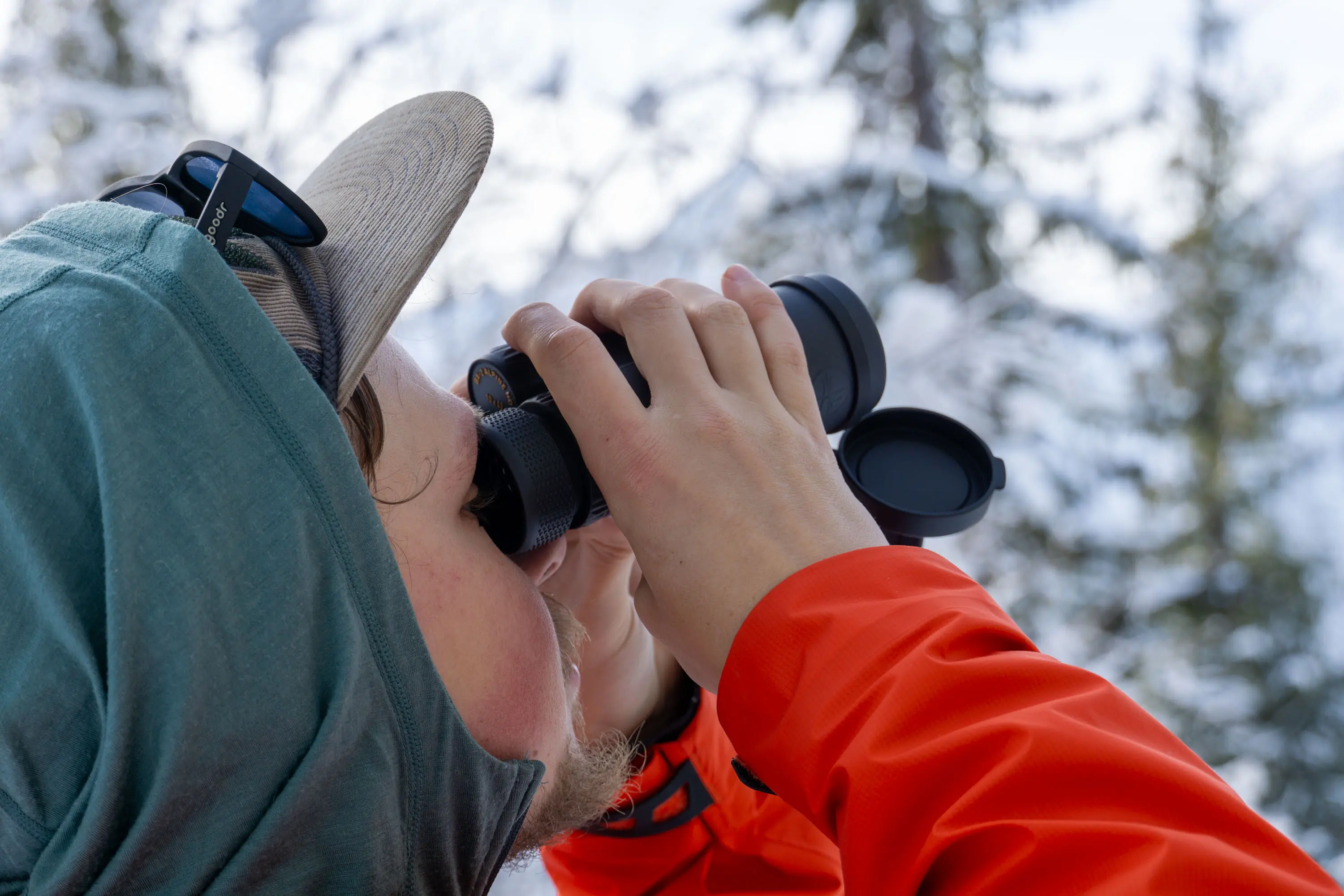
The narrow field of visionlimits how much you see through binoculars. This makes it hard to spot birds quickly. You might miss birds flying at the edges of your view. It feels like looking through a small tunnel.
Edge distortioncauses the picture to look blurry or bent near the edges. This can confuse your eyes and make it hard to focus on birds. The middle stays clear, but the sides lose sharpness.
- Narrow view limits bird spotting speed
- Edges may appear blurry or warped
- Clear center but fuzzy sides
- Harder to track moving birds
Credit: gearjunkie.com
Pricing And Value Concerns
Many birding binoculars are overpricedcompared to what they offer. Some brands charge a lot but give basic features. This can leave buyers feeling they did not get good value for money.
Some models lack important features like clear lenses, good focus, or strong build. These missing features make the binoculars less useful for bird watching. Paying a high price without these features can be disappointing.
- High price but basic optics
- Weak or no waterproofing
- Uncomfortable to hold or heavy
- Simple focus mechanisms
Choosing binoculars with the right balance of price and featuresis key. Spending more does not always mean better quality or experience.

Credit: www.greatsouthbayaudubon.org
Frequently Asked Questions
What Are Common Issues With Birding Binoculars?
Common issues include blurry images, poor focus, and low light performance. Misaligned lenses and fogging also affect clarity. Quality varies by brand and model, impacting user experience.
Why Do Birding Binoculars Fog Up Easily?
Fogging occurs due to temperature differences and moisture inside lenses. Sealed and nitrogen-purged binoculars resist fogging better. Proper storage and maintenance reduce this problem.
How To Fix Blurry Images In Birding Binoculars?
Blurry images often result from incorrect focus or dirty lenses. Adjust the focus wheel and clean lenses with a microfiber cloth. If problems persist, lenses might be misaligned or damaged.
What Causes Poor Low-light Performance In Birding Binoculars?
Poor low-light performance stems from small objective lenses and low-quality prisms. Binoculars with larger lenses and high-quality coatings perform better at dawn and dusk.
Conclusion
Birding binoculars often face common issues like fogging, poor focus, and heavy weight. These problems can affect your birdwatching experience. Choosing the right binoculars and caring for them helps avoid many troubles. Clear vision and comfort matter most during your outdoor trips.
Understanding these common problems makes you better prepared. Enjoy watching birds without distractions or discomfort. Keep your binoculars clean and store them properly. Simple steps lead to better birding moments every time.