Are you ready to see nature like never before? Using birding binoculars can open up a whole new world of detail and beauty right in front of your eyes.
Whether you want to watch colorful birds, spot animals from afar, or simply enjoy the wonders of the outdoors, knowing how to use your binoculars correctly makes all the difference. You’ll discover simple tips and tricks to get the most out of your birding binoculars.
By the end, you’ll feel confident and excited to explore nature with clarity and focus. Let’s dive in and make every nature observation an unforgettable experience!
Choosing The Right Binoculars
Magnificationshows how close objects appear. Higher magnification means you see more detail but can be harder to hold steady.
Lens diametercontrols how much light enters. Bigger lenses give brighter views, especially in low light.
| Field of View | Importance |
|---|---|
| Wide | Easier to spot and follow moving birds |
| Narrow | Good for focusing on distant objects |
- Waterproofbinoculars protect against rain and moisture.
- Weatherproofmodels resist dust and fog inside the lenses.
- Choose these features for outdoor use in different conditions.
Setting Up Your Binoculars
Adjust the eye cupsto fit your eyes. Twist or fold them based on whether you wear glasses. Proper adjustment helps you see the full image clearly.
Use the focus wheelto sharpen the view. Start by closing one eye and focusing with the other. Then adjust both eyes together for a clear picture.
Balance clarity and stabilityby holding the binoculars steady. Use both hands and rest your elbows on a solid surface if possible. A stable hold reduces shaking and improves image quality.
Optimizing Viewing Techniques
Hold binoculars with both hands to keep them steady. Rest your elbows on your chest for extra support. This reduces shaking and helps you see clear images.
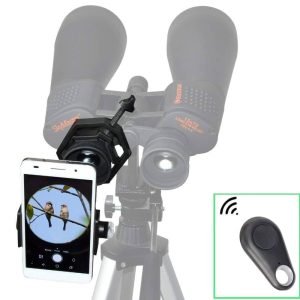
Using support tools like tripods or monopods can make a big difference. These tools hold binoculars steady for longer viewing times. They are especially helpful when watching distant birds.
- Panning: Move binoculars slowly from side to side to follow a moving bird.
- Scanning: Look carefully in small sections to find birds or animals.
- Use smooth, gentle motions to avoid sudden shakes.

Credit: www.popsci.com
Enhancing Birding Experience
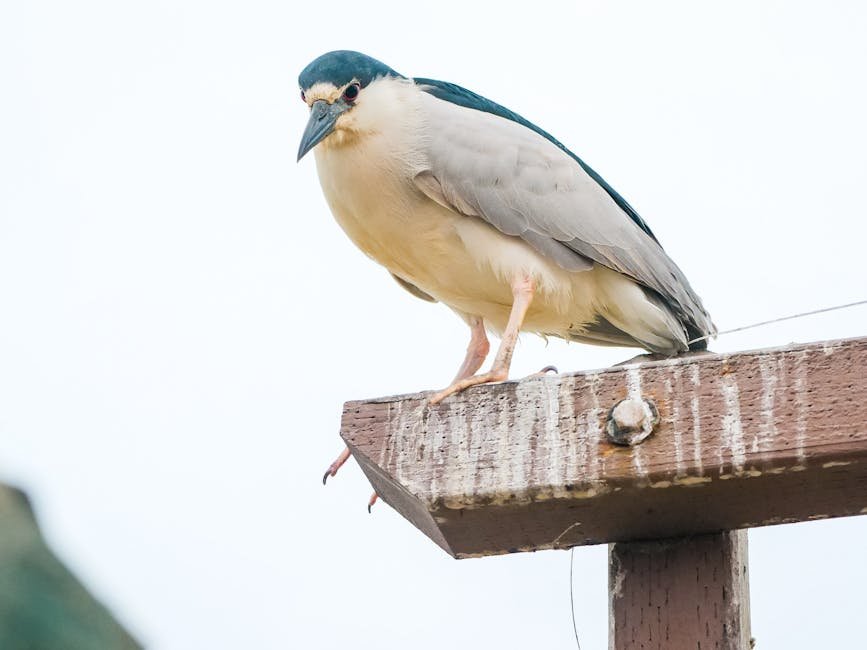
Using birding binocularshelps you see birds clearly from far away. This makes it easier to identify bird speciesby their colors, shapes, and sizes. Different birds have unique features that become visible with good binoculars.
Keep a small notebook or use your phone to record observations. Write down details like bird name, time, and place. This helps you remember what you saw and track your birding progress.
Birding appscan be very helpful. They provide bird pictures, sounds, and information. Some apps let you log your sightings and share with others. This makes birding fun and educational.
Maintenance And Care
Cleaning lenseskeeps your view clear and bright. Use a soft brush or air blower to remove dust. Never use rough cloths or tissues. Use a microfiber cloth with lens cleaner for smudges. Clean gently in circular motions to avoid scratches.
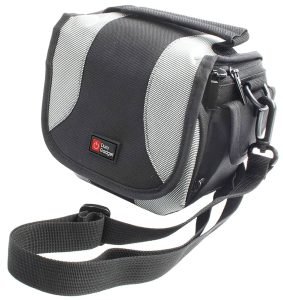
Storing binoculars properlyprotects them from damage. Keep them in a padded case when not in use. Store in a cool, dry place to avoid moisture buildup. Avoid leaving them in direct sunlight or extreme cold. Always use lens caps for extra protection.
Regular check-ups and repairsensure binoculars work well. Check for loose screws or parts. Test the focus and alignment often. If you notice blurry images or stuck parts, take them to a professional. Proper care extends the life of your binoculars.

Credit: www.youtube.com

Credit: www.green-feathers.co.uk
Frequently Asked Questions
How Do I Choose The Right Birding Binoculars?
Choose binoculars with 8x to 10x magnification and 32mm to 42mm objective lenses. Look for lightweight, waterproof, and fog-proof models for comfort and durability in nature observation.
How Do I Properly Hold Birding Binoculars?
Hold binoculars steady with both hands, elbows close to your body. Use a neck strap to reduce hand fatigue and improve stability during extended birdwatching sessions.
How Can I Focus Birding Binoculars Correctly?
Adjust the central focusing wheel for clarity. Use the diopter ring to fine-tune focus on one eye. Practice focusing on nearby and distant birds for sharp images.
What Are The Best Times To Use Birding Binoculars?
Early morning and late afternoon are ideal for birdwatching. Birds are more active, and natural light enhances visibility. Avoid harsh midday sunlight to reduce glare and eye strain.
Conclusion
Birding binoculars help you see nature up close and clear. Choose the right pair and adjust them well for sharp views. Practice focusing quickly to catch birds in motion. Spend time outdoors to enjoy the sights and sounds fully. Using binoculars makes nature observation more fun and rewarding.
Keep your equipment clean and safe for many adventures. Nature awaits—explore it with confidence and care.