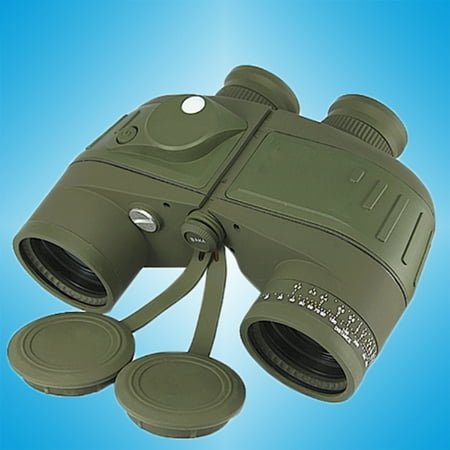
Have you ever been ready to enjoy a close-up view through your binoculars, only to find the lenses fogged up? It’s frustrating, isn’t it?
Fogging can blur your vision and ruin your outdoor experience. But don’t worry—there are simple, effective ways you can stop this from happening. You’ll discover easy tips and tricks to keep your close-focus binoculars clear, so you never miss a moment.
Keep reading, and say goodbye to foggy lenses for good!
Causes Of Fogging In Binoculars
Fogginghappens when moisture gets trapped inside the lenses. This usually occurs in close-focus binoculars because they are sealed tightly to keep dust and water out. When the temperature outside is cold and warm air hits the lenses, water vapor forms tiny droplets. These droplets block your view.
Another cause is sudden changes in temperature. Taking binoculars from a cold place to a warm place causes condensation inside. Poor sealing or damaged seals let moisture enter. This also leads to fogging.
Using binoculars in humid weather increases the chance of fog. Sweat or rain can add moisture on the outer lens surface. Without proper ventilation, this moisture stays longer, causing fog.
Choosing The Right Binoculars
Choosing waterproof and fog-proof binocularshelps prevent moisture buildup inside the lenses. These binoculars are sealed with special materials to keep water and fog out. Look for models filled with dry nitrogen or argon gas. This gas stops fog from forming inside the binoculars during quick temperature changes.
Quality lens coatingsimprove light transmission and reduce fogging. Coatings like anti-reflective layers make the glass clearer and less prone to moisture. These coatings also protect lenses from scratches and dirt. Check product details for terms like multi-coatedor fully multi-coated.
| Feature | Benefit |
|---|---|
| Waterproof Seals | Keep water and dust out |
| Gas Filling (Nitrogen/Argon) | Prevents internal fogging |
| Lens Coatings | Enhance image clarity and reduce fog |
Proper Storage Techniques
Storing binoculars in a dry place helps prevent fogging. Avoid keeping them in areas with high humidity, such as bathrooms or basements. Moist air causes lenses to fog quickly.
Using protective cases is a smart choice. These cases shield binoculars from dust, moisture, and sudden temperature changes. Soft cases are good for short trips. Hard cases offer better protection during travel.
- Keep binoculars in a cool, dry spot.
- Use silica gel packs inside storage cases to absorb moisture.
- Do not store binoculars near windows or heaters.
- Always close the protective case tightly after use.

Credit: swoptics.co.uk
Effective Maintenance Practices
Cleaning binocular lenses often keeps fog away. Use a soft cloth or lens brush to remove dirt. Avoid harsh chemicals that might damage the lenses. Wipe gently in circular motions for best results.
Desiccants are small packets that absorb moisture. Place them inside the binocular case to keep the air dry. This helps prevent fog forming inside the lenses.
Anti-fog solutions create a thin layer on lenses. This layer stops water droplets from forming. Apply a few drops and spread evenly with a clean cloth. Let it dry before use for clear vision.
Using Binoculars In Extreme Conditions
Cold weather can cause fogginginside binocular lenses. To prevent this, keep your binoculars close to your bodybefore use. This helps them warm gradually and reduces sudden temperature changes. Use a protective caseto keep moisture out. Avoid breathing directly on the lenses, as warm breath creates fog.
High humidity also causes fog inside binoculars. Store them in a dry placewith silica gel packs to absorb moisture. Wipe lenses gently with a soft clothif fog appears. Using anti-fog spraysdesigned for optics can help, but test first on a small area. Keep binoculars in a sealed bag during humid hikes to limit exposure.

Credit: www.instagram.com
Innovative Accessories
Lens caps and coversprotect binocular lenses from dirt and moisture. They help keep lenses dry and clean, reducing fog buildup. Using soft, snug-fitting covers also blocks dust and rain. This simple accessory is easy to carry and use.
Anti-fog insertsabsorb moisture inside the binoculars. They reduce condensation on the lenses. These inserts are small and placed inside the eyepiece area. Regular replacement keeps the binoculars fog-free for longer periods. Inserts work best in humid or cold weather.
Expert Recommendations
Choosing binoculars from trusted brandsoften means better quality and less fogging. Brands like Nikon, Bushnell, and Vortex use materials that resist moisture inside lenses. These brands also offer good customer supportand warranties.
Advanced features help keep lenses clear in different weather. Look for binoculars with nitrogen or argon gas filling. This stops moisture from forming inside. Another useful feature is multi-coated lenses, which reduce fog and improve image clarity.
| Feature | Benefit |
|---|---|
| Nitrogen/Argon Gas Filling | Prevents internal fogging by removing moisture |
| Multi-coated Lenses | Improves light transmission and reduces fog |
| Waterproof Seals | Keeps water and humidity out |
| Close-focus Design | Allows clear images of nearby objects without fog |

Credit: www.instagram.com
Frequently Asked Questions
Why Do Close-focus Binoculars Fog Up?
Close-focus binoculars fog up due to moisture condensation on lenses. Temperature changes cause water vapor to settle inside or outside the lenses, reducing visibility and image clarity.
How Can I Prevent Fogging Inside Binocular Lenses?
Use binoculars with nitrogen or argon gas filling to block moisture. Keep lens covers on when not in use and store binoculars in a dry place.
Does Lens Coating Reduce Fogging In Binoculars?
Yes, anti-fog coatings repel moisture and reduce fog formation. They improve clarity and protect lenses during sudden temperature changes or high humidity.
Can External Factors Cause Binocular Fogging?
Yes, high humidity, rain, and sudden temperature shifts cause fogging. Avoid exposing binoculars to extreme weather and dry them promptly after use.
Conclusion
Preventing fog in close-focus binoculars keeps your view clear and sharp. Use lens covers and keep your binoculars dry. Store them in a cool, dry place after use. Wipe lenses gently with a soft cloth to remove moisture. Avoid sudden temperature changes to reduce fog build-up.
These simple steps help you enjoy nature without blurry views. Clear vision makes every moment better. Keep your binoculars ready for your next adventure.