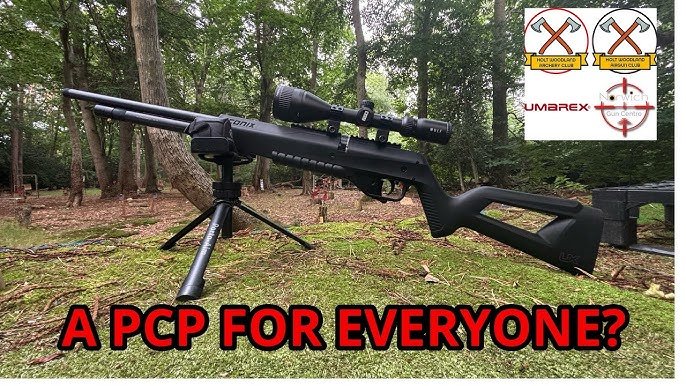
If you want to get the most out of your air rifle when plinking, using a scope can make all the difference. A good scope helps you aim better, hit your targets more accurately, and enjoy every shot.
But if you’ve never used a scope before, it might feel a bit tricky. Don’t worry—this guide will show you exactly how to use air rifle scopes for plinking, step by step. By the end, you’ll have the confidence to line up your shots like a pro and make every pellet count.
Keep reading to unlock the secrets that can turn your plinking into a fun and rewarding experience.

Credit: www.youtube.com
Choosing The Right Scope
Choosing the right scopecan help improve your shooting accuracy. There are different types of scopesfor air rifles. Some are simple and easy to use, while others have more features.
Magnification shows how much closer the target appears. Lower magnification gives a wider field of view. This makes it easier to find targets. Higher magnification zooms in but may limit the view.
| Scope Type | Description |
|---|---|
| Fixed Magnification | Simple and reliable. No zoom adjustment. |
| Variable Magnification | Allows zooming in and out for different ranges. |
The reticleis the aiming point inside the scope. Common types include:
- Crosshair – basic and clear
- Dot – simple and bright
- Mil-dot – helps estimate distance
Choose a reticle that suits your shooting style. Clear and easy-to-see reticles are best for plinking.

Credit: www.youtube.com
Mounting Your Scope
Select mounts and rings that fit your air rifle and scope well. Use metal mounts for better durabilityand stability. Rings should hold the scope tightly without squeezing it too hard.
Align the scope so the reticle is level with the rifle. Use a flat surfaceand a small level tool. Check alignment from the shooter’s eye position to avoid twisted view.
- Tighten screws evenly to avoid bending the scope.
- Use a torque wrench if possible for consistent pressure.
- Apply thread locker to screws to prevent loosening.
- Check the mount stability after a few shots.
Adjusting Scope Settings
Adjusting the scope settings helps you aim better by changing the focus and zoom. Fine-tune the windage and elevation knobs to match your target distance. Clear and steady sight improves accuracy for plinking fun.
Zeroing For Air Rifle Trajectories
Zeroingmeans setting your scope so the bullet hits where you aim. Start by shooting at a target 10-15 yards away. Adjust the scope until the pellet hits the center. Then move to longer distances and fine-tune. This helps match the scope to the air rifle’s trajectory.
Windage And Elevation Adjustments
Windage changes the scope left or right. Elevation moves it up or down. Use the knobs on the scope to make these changes. Small turns can make big differences. Check your shots and adjust until the pellet hits the spot.
Parallax Correction
Parallax happens when the target looks blurry or moves in the scope. Use the parallax knob or ring to fix this. Set it so the target stays clear and does not shift when you move your head. This improves accuracyand helps you shoot better.
Aiming Techniques For Plinking
The reticlehelps you aim by showing the target’s center. Align the reticle’s crosshairs with your target. Use the center pointfor precise shots. Adjust the reticle for wind or distance if needed. Keep your eye steady and focus on the reticle, not the target background. This improves your aim and accuracy.
Breath control keeps your body calm and steady. Take a deep breath, then slowly breathe out halfway. Hold your breath for a moment while squeezing the trigger gently. Avoid jerking the trigger; a smooth squeeze helps keep the rifle steady. Practice this to make your shots more consistent.
- Keep your body relaxed but firm.
- Use a stable surface or rest to support your rifle.
- Keep both elbows close to your body for balance.
- Hold the rifle firmly but not too tight.
- Keep your head steady and aligned with the scope.
Environmental Factors
Wind, light, and weather all affect how you aim with an air rifle scope. Adjust the scope to match these conditions for better accuracy. Understanding these factors helps improve your plinking experience.
Compensating For Wind
Windcan push your shot off target. Watch the leaves or grass to see wind direction. Aim slightly into the windto keep your shot true. Use the scope’s adjustment knobsto make changes. Small corrections help a lot.
Lighting Conditions
Bright light makes the target easy to see. Low light can make aiming hard. Use a scope with good lens coatingsto improve light. Adjust the brightness settingsif your scope has them. This helps keep the target clear.
Distance Estimation
Knowing the distance is key. Use the scope’s reticle marksto guess how far the target is. Closer targets need less aim change. Far targets require more elevation adjustment. Practice helps you judge distance better over time.

Credit: www.nrablog.com
Practice Drills For Accuracy
Practice aiming at different distances to improve your shooting accuracy. Focus on steady breathing and slow trigger pulls for better control. Repeating these drills helps build confidence and consistency with your air rifle scope.
Target Selection
Choose targets of different sizes and distances. Start with larger targets close by. This builds confidence. Slowly move to smaller and farther targets. This helps improve focus and aim. Use targets with clear shapes for easy spotting. Changing targets keeps practice fun and challenging.
Tracking Progress
Keep a simple chart or notebook. Record hits and misses for each session. Note the distance and target size too. Check for patterns like shots grouping left or right. This helps spot strengths and weaknesses. Tracking progress shows improvement over time.
Adjusting For Consistency
Make small changes to your scope settings. Adjust windage and elevation slightly after each shot group. Watch how changes affect your aim. Practice shooting with the same stance and grip each time. Consistent setup leads to better accuracy. Repeat adjustments until shots cluster tightly.
Maintenance Tips
Cleaning the lenskeeps your scope clear and sharp. Use a soft brush or lens cloth to remove dust. Avoid using rough materials that can scratch the glass. Use special lens cleaner drops if needed. Clean gently to protect coatings on the lens.
Checking mounts regularlyensures the scope stays steady. Tighten screws but do not over-tighten. Loose mounts cause poor accuracy. Look for any rust or damage on mounts. Replace parts if you find cracks or wear.
Storage best practicesprotect your scope from harm. Keep it in a dry place away from sunlight. Use a soft case or cover to avoid scratches. Store with lens caps on to keep dirt out. Avoid places with high humidity to stop rust.
Frequently Asked Questions
What Is Plinking With Air Rifles?
Plinking involves shooting at informal targets, like cans or paper. It’s a fun, casual activity to improve shooting skills. Using scopes for plinking enhances accuracy, making the experience more enjoyable. It also helps shooters to practice aiming and target acquisition.
How Do Air Rifle Scopes Enhance Plinking?
Air rifle scopes improve plinking by providing better target visibility and precision. They help shooters aim accurately at distant targets. Scopes also allow for faster target acquisition, making plinking more efficient. This enhances the overall shooting experience, making it more satisfying.
Can Beginners Use Scopes For Plinking?
Yes, beginners can use scopes for plinking. Scopes simplify aiming, making it easier for new shooters to hit targets. They help improve accuracy, boosting confidence in shooting skills. Beginners should start with simple scopes, gradually progressing to more advanced ones as they gain experience.
What Features Should A Plinking Scope Have?
A plinking scope should have clear optics and adjustable magnification. It should be durable to withstand outdoor conditions. Lightweight scopes are ideal for easy handling during long plinking sessions. Reticle options that suit the shooter’s preference enhance the plinking experience.
Conclusion
Using an air rifle scope can improve your plinking experience. It helps you aim more accurately at your targets. Adjust the scope carefully before you start shooting. Practice often to get comfortable with the scope’s settings. Remember to keep your shots steady and controlled.
This makes hitting targets easier and more fun. Enjoy your time plinking with better focus and precision. Keep learning and improving with each shot. Your skills will grow with patience and practice.