Have you ever wondered if your roof prism binoculars can keep up when the weather turns wild? Whether you’re caught in heavy rain, freezing cold, or dusty winds, knowing how your binoculars perform can make all the difference.
You’ll discover what makes roof prism binoculars tough enough—or not—to handle extreme weather. By the end, you’ll feel confident about choosing the right pair for your adventures, no matter what nature throws at you. Keep reading to find out how to protect your gear and get the best view every time.
Roof Prism Binoculars In Extreme Weather
Roof prism binocularsare built with strong and compact design.
They often include waterproof sealsto keep moisture out.
Many have fog-prooffeatures that stop inside fogging in cold or wet weather.
Rubber coatings protect against shock and help grip when hands are wet or cold.
Some models use nitrogen or argon gasinside to prevent fog and corrosion.
These features help roof prism binoculars work well in rain, snow, and cold.
But extreme heat can affect lens coatings and seals over time.
Still, they are a good choice for harsh outdoor conditions.
Performance In Cold Conditions
Roof prism binoculars can face challenges in low temperatures. Cold can make the lenses and body shrink slightly. This might affect the focus and image clarity. Some models use special materials to handle this better. Cold weather also risks fogging and condensationinside the binoculars.
Fogging happens when warm breath or moisture meets cold glass. This blocks your view and can damage the optics over time. Many binoculars have nitrogen or argon gas fillingto stop fogging. These gases keep the inside dry by pushing out moisture.
- Use lens covers to protect from snow and rain.
- Keep binoculars in a warm place before use.
- Wipe lenses gently with a soft cloth.
- Choose models with waterproof and fog-proof features.
Handling Heat And Humidity
High temperatures can affect roof prism binoculars by causing the lenses to expand. This may lead to slight focus changes and blurry images. The seals might weaken over time, letting dust or moisture inside. Strong heat can also damage the coatings on lenses, reducing clarity.
Humidity is a big challenge. Moisture can cause fogging inside the binoculars, which blocks clear views. It may also promote mold growth, harming the optics permanently.
- Use binoculars with waterproof and fog-proof features.
- Look for models with nitrogen or argon gas filling to prevent fogging.
- Store binoculars in a dry, cool place after use.
- Use silica gel packs in storage cases to absorb moisture.
- Wipe lenses gently with a clean, dry cloth after use.
Credit: www.newegg.com
Waterproof And Dustproof Capabilities
Roof prism binoculars often have sealed construction. This keeps water, dust, and dirtout. The seals protect the lenses and prisms inside. This feature helps binoculars work well in rain, fog, and dusty places.
Many models are filled with nitrogen or argon gas. This stops fog from forming inside the binoculars during quick temperature changes. It also protects against humidity, which can harm the lenses.
| Test Type | Purpose | Result |
|---|---|---|
| Water Resistance Test | Check if water enters binoculars | No water inside after submersion |
| Dust Resistance Test | Ensure dust does not affect vision | Clear view even in dusty conditions |
| Fogging Test | Prevent inside fog during temperature changes | No fog inside lenses |
Durability And Material Strength
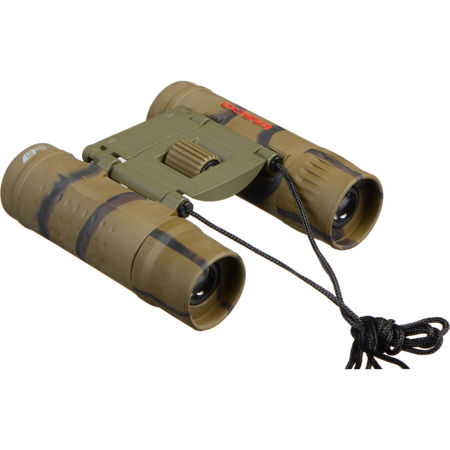
Roof prism binocularsare made with strong materials like aluminumand magnesium alloys. These metals make the binoculars lightweightyet durable. The lenses are usually made from high-quality glassthat resists scratches and weather damage.
Many models have a special rubber coatingoutside. This coating helps protect against impactsand keeps the binoculars from slipping. The coating also helps to absorb shocks from drops or bumps.
- Some roof prism binoculars have shockprooffeatures.
- They often include waterproof sealsto block rain and dust.
- Many are fog-proof, with nitrogen or argon gas inside.
These features make roof prism binoculars good for extreme weather. They can handle rain, snow, and rough usewithout damage.
Credit: www.adorama.com
User Tips For Extreme Conditions
Roof prism binoculars often handle rain, fog, and cold well due to sealed and waterproof designs. Proper care, like drying and storage, keeps them reliable in harsh weather. Always check for fogging inside lenses after extreme use.
Proper Maintenance Practices
Clean lenseswith a soft cloth after each use. Avoid touching lenses with dirty hands. Store binoculars in a dry place to stop mold and mildew. Use a small brush to remove dust and dirt from the body. Keep binoculars away from harsh chemicals and sprays. Check seals regularly to keep binoculars waterproof. Dry binoculars completely before storing after use in rain or snow.
Storage Recommendations
- Store in a padded caseto protect from shocks.
- Keep in a cool, dry placeto avoid moisture build-up.
- Use silica gel packs to absorb extra moisture.
- Avoid leaving binoculars in direct sunlight for long.
- Ensure binoculars are fully dry before storing after use.
Comparative Analysis
Roof prism binocularsare compact and have a straight design. They handle rain and snow well because they are often sealed and waterproof. Their shape makes them easy to carry in bad weather. But they can be more expensive and may need careful cleaning after dusty or wet use.
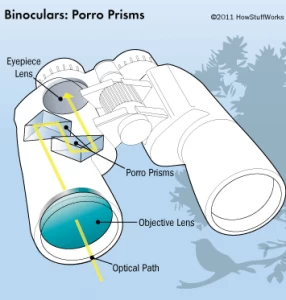
Porro prism binocularshave a wider shape and often give a brighter image. They can handle moisture but are less compact. Their design can let water or dust enter more easily. They are usually cheaper but might not be as tough in harsh weather.
| Feature | Roof Prism | Porro Prism |
|---|---|---|
| Weather Resistance | Good, often waterproof and sealed | Moderate, less sealed, can let moisture in |
| Size and Weight | Compact and lightweight | Larger and heavier |
| Image Brightness | Good, but sometimes less bright | Usually brighter images |
| Durability | Strong, suits rough weather | Less rugged in extreme conditions |
| Cost | Usually more expensive | More affordable |

Credit: www.amazon.com
Frequently Asked Questions
Are Roof Prism Binoculars Waterproof For Extreme Weather?
Most roof prism binoculars are waterproof and fog-proof. They have sealed O-rings and nitrogen purging to prevent moisture. This makes them suitable for rain, snow, and humid environments, ensuring clear vision in extreme weather conditions.
Can Roof Prism Binoculars Handle Extreme Cold Temperatures?
Yes, many roof prism binoculars are designed to work in freezing temperatures. Their waterproof and fog-proof features prevent internal condensation. However, extremely low temperatures may affect battery-powered models or coatings, so check specifications before use in severe cold.
Do Roof Prism Binoculars Resist Dust And Sand?
Roof prism binoculars often have sealed bodies to resist dust and sand intrusion. This protects internal lenses and prisms, maintaining image clarity. They are ideal for use in dusty, sandy environments like deserts and beaches, enhancing durability and performance.
How Durable Are Roof Prism Binoculars In Harsh Weather?
Roof prism binoculars are built with robust materials like rubber armor for shock resistance. Their sealed construction prevents water and dust entry. This durability makes them reliable for outdoor activities in harsh weather, such as hiking and wildlife observation.
Conclusion
Roof prism binoculars work well in many tough weather conditions. Their design keeps images clear, even in rain or fog. Many models resist water and fog inside the lenses. Still, not all binoculars handle extreme cold or heat the same.
Choosing the right model matters for your needs. Protect them with covers or cases when needed. This helps binoculars last longer and stay reliable. So, roof prism binoculars can be good companions outdoors. Just pick ones made for tough weather to get the best view.