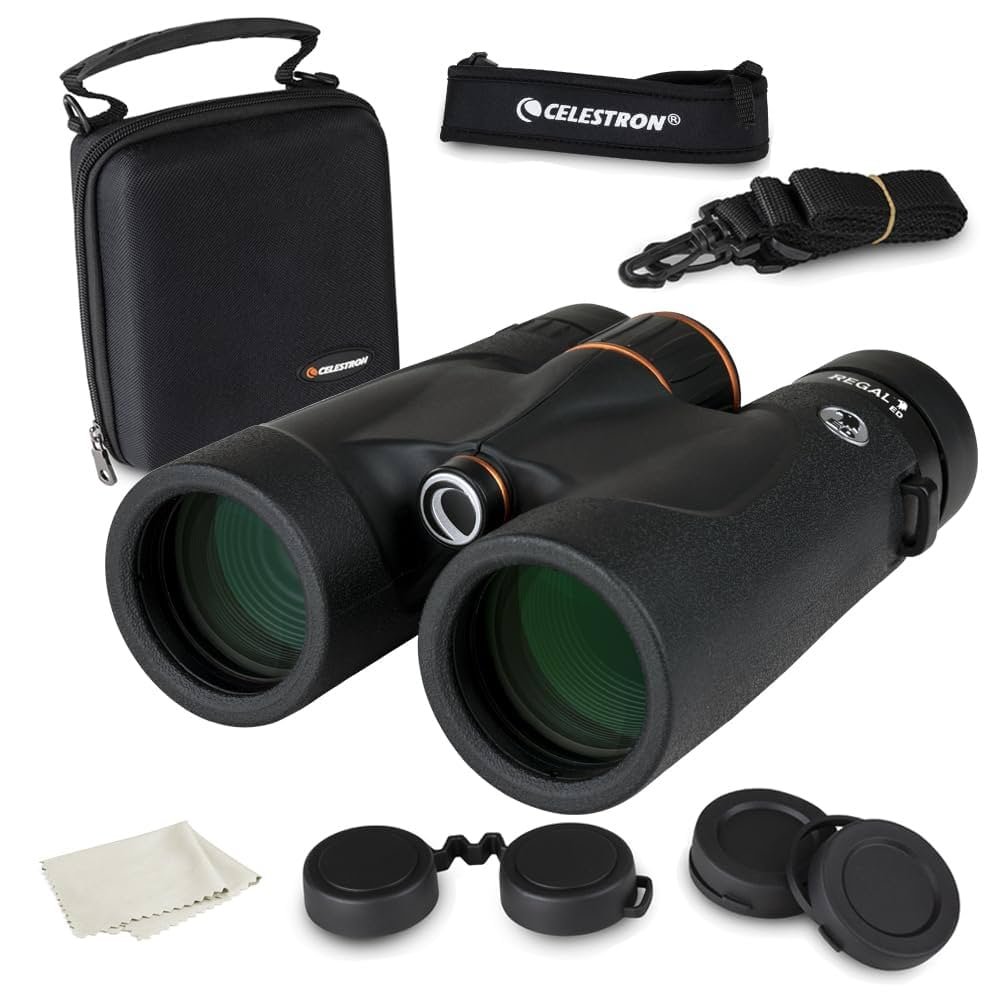
You’ve invested in a great pair of close-focus binoculars, and you want to keep them in perfect condition. But do you know the best way to store them safely?
Proper storage not only protects your binoculars from damage but also ensures they’re ready to deliver sharp, clear views every time you use them. You’ll discover simple, effective tips that make storing your close-focus binoculars easy and worry-free. Keep reading, and learn how to extend the life of your gear while enjoying every moment of your outdoor adventures.
Choosing The Right Storage Location
Choose a place that stays cool and dry for your binoculars. Avoid spots near heaters, ovens, or windows with direct sunlight. Extreme heat or coldcan damage the lenses and body.
Keep binoculars away from damp areas like basements or bathrooms. Humiditycan cause mold and fog inside the lenses, ruining your view. Use silica gel packs to absorb moisture inside the storage case.
| Temperature | Ideal Range | Reason |
|---|---|---|
| Too Hot | Above 100°F (38°C) | Can warp lenses and plastic parts |
| Too Cold | Below 32°F (0°C) | May cause glass to crack or fog |
| Humidity | Below 60% | Prevents mold and fog inside binoculars |

Credit: www.nocsprovisions.com
Proper Cleaning Before Storage
Use a soft brush or air blower to remove dust gently. Avoid wiping lenses when dust is present. Wiping can cause scratches.
Clean lenses with a microfiber cloth made for optics. Do not use regular cloth or tissue paper.
For stubborn dirt, use lens cleaning solution. Apply solution to the cloth, not directly on the lens. Gently wipe in circular motions.
Never use household cleaners or alcohol as they can damage lens coatings.
- Remove dust with a soft brush or air blower
- Use a microfiber cloth for cleaning
- Apply lens cleaning solution to the cloth only
- Wipe lenses in gentle circular motions
- Avoid household cleaners and alcohol
Using Protective Cases And Covers
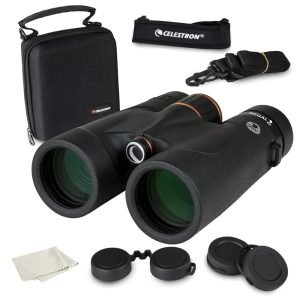
Selecting the right case for your close-focus binoculars helps protect them from damage. A hard case offers strong protection against drops and impacts. It keeps the binoculars safe during travel or storage. Soft covers, on the other hand, are lightweight and easy to carry. They guard against dust, scratches, and minor bumps.
Soft covers have several benefits:
- They add minimal weight to your gear.
- Easy to slip on and off quickly.
- Protect lenses from dirt and smudges.
- Help keep moisture away in mild conditions.
- Often made from padded materials for extra cushion.
Choosing a cover that fits snugly ensures your binoculars won’t slip out. Look for covers with a soft interior lining. This prevents scratches and keeps the binoculars clean.

Credit: www.facebook.com
Organizing Storage Space
Labeling each binocular case helps find items quickly. Use clear tags with names or numbers. Group similar binoculars by size or use. This makes storage neat and simple.
Space can be saved with smart tricks. Store binoculars vertically on shelves. Use soft dividers to keep them safe and separate. Small boxes fit inside larger cases to avoid clutter.
| Space Optimization | Description |
|---|---|
| Vertical Storage | Place binoculars upright to save shelf space. |
| Soft Dividers | Use padding to protect each binocular from scratches. |
| Nested Boxes | Store smaller cases inside bigger ones to reduce clutter. |
Regular Maintenance Checks
Check your binoculars carefully for any cracks, scratches, or loose parts. These can affect how well they work. Handle the lenses gently to avoid damage.
Look closely for mold and mildew, especially if stored in damp places. Mold can harm lenses and make viewing unclear. Use a soft cloth to clean lenses and keep them dry.
- Store binoculars in a dry, cool place.
- Use a sealed case to protect from dust and moisture.
- Air out binoculars regularly to prevent mold buildup.
- Wipe lenses with a microfiber cloth only.

Credit: www.amazon.com
Tips For Long-term Storage
Store close-focus binoculars in a climate-controlled environmentto protect them. Avoid places with high heat or moisture. A stable room temperature around 65-75°F (18-24°C) is ideal. Keep humidity low to stop mold and rust.
Prevent lens fogging by using silica gel packs inside the storage case. These packs absorb moisture and keep lenses dry. Also, ensure binoculars are clean and dry before storing. Wipe lenses gently with a soft cloth to remove dirt and moisture.
- Keep binoculars away from direct sunlight.
- Use a hard case or padded bag for extra protection.
- Store in a dry, dark place to maintain lens clarity.
- Open the binoculars occasionally to air them out.
Frequently Asked Questions
How Do I Protect Close-focus Binoculars From Dust?
Store binoculars in a sealed case when not in use. Use lens caps to prevent dust buildup on lenses. Regularly clean the exterior with a soft cloth to keep dust away.
What Is The Best Place To Store Binoculars Safely?
Keep binoculars in a cool, dry place away from direct sunlight. Avoid humid areas to prevent mold growth. A padded case inside a drawer or shelf works well.
Should I Remove Batteries When Storing Binoculars Long-term?
Yes, remove batteries to prevent corrosion and leakage. This protects internal components and prolongs binocular lifespan. Store batteries separately in a safe, dry spot.
How Often Should I Clean Close-focus Binoculars?
Clean binoculars after every few uses or when visibly dirty. Use a microfiber cloth and lens cleaner for lenses. Avoid harsh chemicals that can damage coatings.
Conclusion
Storing close-focus binoculars carefully keeps them safe and working well. Use a soft case to protect from dust and scratches. Keep them dry and avoid extreme temperatures. Clean lenses gently with a soft cloth. Store in a cool, dry place away from sunlight.
Regular care helps your binoculars last longer and stay clear. Small actions make a big difference. Protect your gear, and enjoy sharp views every time.