If you love birdwatching, you know how important your binoculars are. But have you ever struggled with carrying them comfortably and safely?
How you carry your birding binoculars can make a big difference in your experience. It can protect your gear, keep your hands free, and even improve your focus on the birds. You’ll discover simple, practical tips to carry your binoculars the right way.
Keep reading to learn how to make every birding trip easier and more enjoyable!
:max_bytes(150000):strip_icc()/tal-athlon-optics-8x42-midas-uhd-binoculars-signe-bamsey-ben-wanamaker-09-1-8caa644274c046f78e4cc47a08bb9750.jpeg)
Credit: www.travelandleisure.com
Choosing The Right Binoculars
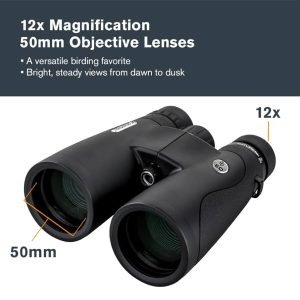
Choosing binoculars with the right weightis very important. Heavy binoculars can tire your neck and arms quickly. Lighter models help you carry them longer without pain.
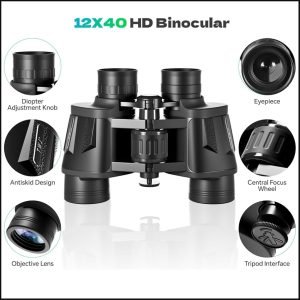
Size and compactness matter for easy carrying. Small binoculars fit in pockets or small bags. They are perfect for quick trips or travel. Larger binoculars often have better lenses but can be bulky.
Durabilityand weather resistancekeep your binoculars safe outdoors. Look for waterproof and fog-proof features. This helps during rain, snow, or humid days. Strong materials also protect from bumps and drops.
Credit: www.facebook.com
Proper Strap Usage
Adjustable neck strapslet you change the length for comfort. This helps keep binoculars close to your body, preventing swinging. Soft, padded straps reduce strain on your neck during long birding trips.
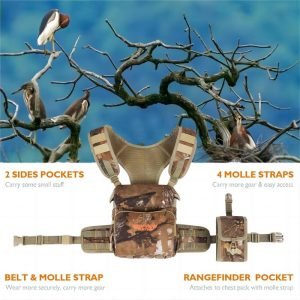
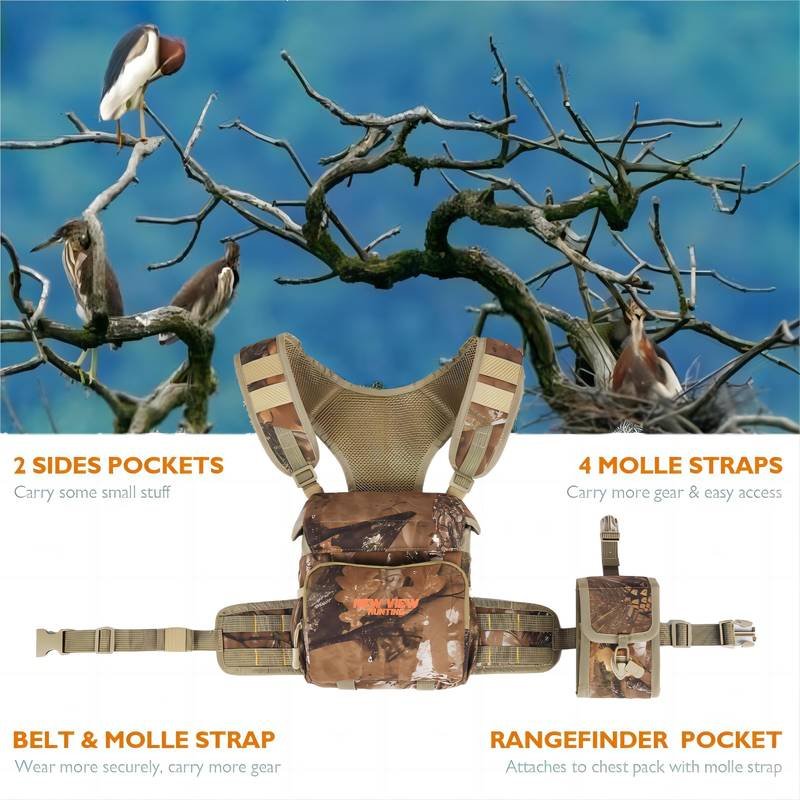
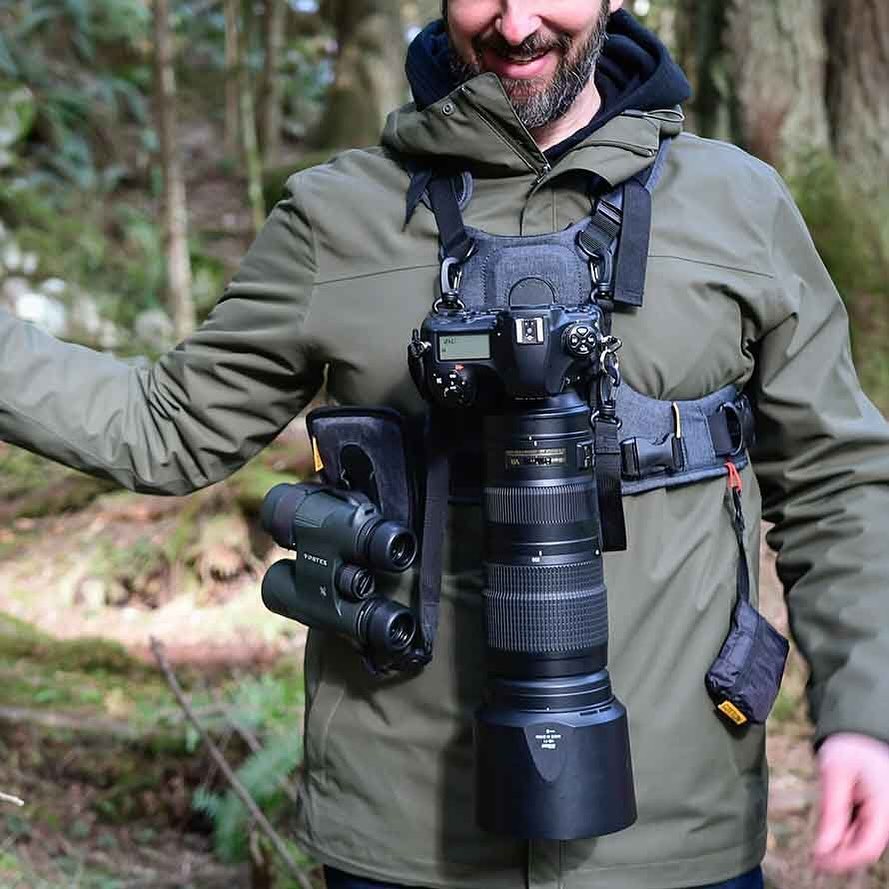
Harness systemsspread the weight across your shoulders and back. This makes carrying binoculars easier and reduces neck pain. Harnesses keep binoculars secure and ready to use.
Quick release mechanismsallow fast removal of binoculars from straps or harnesses. This feature is handy when you need to use binoculars quickly. It also helps to store or pack binoculars safely.
Carrying Techniques
The over-the-shoulder methodkeeps binoculars easy to reach. Use a strap to hang them on one shoulder. This lets your hands stay free for other tasks. It is comfortable for short trips or quick bird spotting.
Crossbody carryspreads weight evenly across your body. Wear the strap across your chest. This helps reduce neck strain during long walks. Binoculars stay secure and ready to use at any moment.
Backpack integrationis good for longer hikes. Attach binoculars to your backpack straps or outside loops. This keeps them safe and stops swinging. It also frees up your neck and shoulders from extra weight.
Protective Gear Options
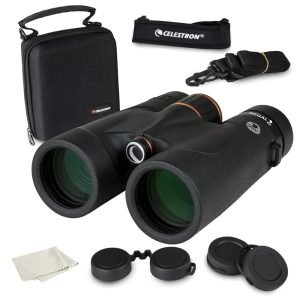
Padded casesprotect binoculars from bumps and scratches. They often have soft linings to keep lenses safe. These cases are easy to carry and fit in backpacks or belts.
Lens coversshield the binocular lenses from dust, dirt, and scratches. They keep the glass clean for clear views. Always use covers when not using binoculars.
Rain guardsstop water from touching the lenses during wet weather. They help keep vision clear in rain or fog. Rain guards fit snugly on the eyepieces.
Maintenance And Care
Carry birding binoculars using a comfortable strap to keep them secure and hands-free. Store them in a padded case to prevent scratches and damage. Regularly clean lenses with a soft cloth to maintain clear views.
Cleaning Tips
Use a soft brush or air blower to remove dust gently. Avoid using rough cloths that can scratch lenses. Clean lenses with a microfiber cloth and lens cleaner made for optics. Never use household cleaners or paper towels. Wipe in a circular motion to avoid streaks.
Storage Recommendations
Keep binoculars in a padded case to protect from bumps. Store in a dry place to prevent mold and rust. Use silica gel packs to absorb moisture inside the case. Avoid leaving binoculars in hot cars or direct sunlight.
Regular Inspections
Check lenses for scratches or dirt often. Test focus and alignment to ensure clear views. Tighten loose screws to keep parts secure. Look for cracks or damage on the body. Regular checks help keep binoculars working well for years.
Safety Considerations
Carrying birding binoculars safely helps protect your neck and equipment. Use a padded neck strap to reduce neck strain. Adjust the strap length so binoculars hang comfortably at chest level. This prevents excess weight on your neck during long birding trips.
Keep your binoculars secure to avoid slips and falls. Hold them firmly when moving on uneven ground. Using a wrist strap or harness adds extra safety. It stops binoculars from dropping if you lose grip.
| Tip | Why It Helps |
|---|---|
| Use padded neck strap | Reduces neck strain and discomfort |
| Wear binocular harness | Keeps binoculars stable and secure |
| Adjust strap length | Prevents swinging in rough terrain |
| Hold binoculars firmly | Prevents accidental drops and falls |
Enhancing Birding Experience
Using tripods and mountshelps keep binoculars steady. This reduces hand shake and makes viewing easier. Tripods are best for long birdwatching sessions. Mounts can attach binoculars to backpacks or belts. This keeps them safe and ready to use.
Smartphone apps can enhance birding. They help identify birds and record sightings. Some apps link with binoculars for better focus and zoom control. Using apps makes birding more fun and informative.
Balancing binoculars with other gear is important. Carry only what you need to stay light. Use a comfortable bag with padded straps. This helps avoid strain during long walks. Keep binoculars in a quick-access spot for fast use.

Credit: www.leoalmanac.org
Frequently Asked Questions
How Should I Carry Birding Binoculars Comfortably?
Use a padded neck strap or harness for comfort. This reduces strain and keeps binoculars secure during long birding sessions. Adjust the strap to fit snugly but not too tight, allowing quick access while preventing swinging or bouncing.
Can I Carry Birding Binoculars In A Backpack?
Yes, storing binoculars in a padded compartment inside a backpack is safe. Use a protective case to avoid scratches and damage. Keep them easily accessible for quick spotting without needing to remove the entire backpack.
What Is The Best Way To Protect Binoculars While Carrying?
Always use a sturdy, padded case to protect binoculars. The case shields lenses from dust, moisture, and impacts. Carry the case with a strap or inside your bag to ensure safety during transport.
Should I Carry Binoculars Around My Neck Or In Hand?
Carrying binoculars around your neck with a strap is best. It frees your hands and prevents accidental drops. Holding them in hand for long periods can cause fatigue and risk damage if dropped.
Conclusion
Carrying birding binoculars the right way makes a big difference. Keep them safe and close to your body. Use a comfortable strap or a secure case. Easy access helps you spot birds quickly. Protect lenses from dust and scratches. A light setup reduces neck strain.
Simple habits make bird watching more fun. Enjoy nature without worry or hassle. Your binoculars will stay ready for every sighting.