Have you ever looked through your binoculars and noticed those annoying color fringes around objects? That’s called chromatic aberration, and it can ruin your viewing experience.
You might wonder if close-focus binoculars can help reduce this problem. If you want clearer, sharper images without distracting colors, keep reading. This article will reveal how close-focus binoculars affect chromatic aberration and what you should look for to improve your sight.
Don’t let blurry colors spoil your next outdoor adventure—find out what really works for your eyes.

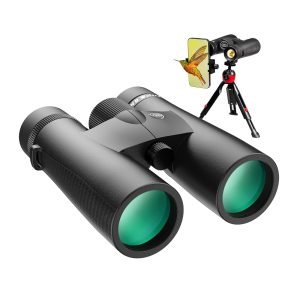
Credit: www.amazon.sa
Close-focus Binoculars Basics
Close-focus binocularsallow users to see objects very near, often within a few feet. These binoculars have lenses designed to focus sharply at close distances. This feature helps bird watchers, nature lovers, and hobbyists get detailed views of small or nearby subjects.
They usually have special lens coatingsand adjusted optics. These reduce blurriness and improve clarity when looking at close objects. Some models also have a wide field of view for easier tracking.
| Feature | Benefit |
|---|---|
| Close focusing distance | See objects as close as 6 feet or less |
| High-quality lenses | Clear and sharp images at near range |
| Lightweight design | Easy to carry for outdoor use |
| Waterproof and fog proof | Durable in wet or humid conditions |
- Better detailfor close objects makes nature watching more fun.
- Can reduce eye strain with clear, focused views.
- Useful for examining small things like insects and flowers.
- Often come with coatings that reduce color fringingand distortions.
Understanding Chromatic Aberration
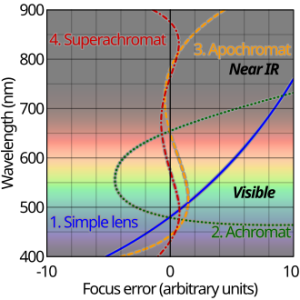
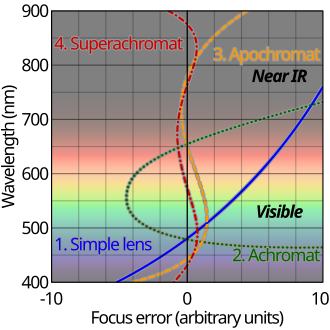
Chromatic aberrationhappens because lenses bend different colors of light differently. This makes colors not line up correctly in the image. The edges of objects may show color fringes, like blue or red outlines.
It happens due to the varying wavelengthsof light bending at different angles. Lenses cannot focus all colors to the same point, which causes this effect.
| Cause | Description |
|---|---|
| Lens Material | Different glass types bend colors unevenly |
| Lens Shape | Curved lenses can focus colors at different distances |
| Light Wavelengths | Short and long wavelengths refract differently |
- Images lose sharpness due to color edges
- Colors may appear unnatural or blurred
- Objects look less clear, especially at high contrast
Binocular Design And Technology
Lens coatingshelp reduce glare and improve light transmission. They limit the amount of light that bounces inside the lenses. This reduces color fringing, a key cause of chromatic aberration. Using special coatings on lenses can make images clearer and colors more natural.
Lens materialsalso affect chromatic aberration. Glass types with low dispersion help focus all colors at the same point. This reduces color blur around objects, especially in close-focus binoculars. High-quality glass is important for sharp, clear views.
| Prism Type | Effect on Chromatic Aberration | Common Use |
|---|---|---|
| Porro Prism | Good color correction, less distortion | Traditional binoculars |
| Roof Prism | Compact but can cause slight color fringing | Modern, slim binoculars |
Prisms bend light to align images properly. The choice of prism type impacts color accuracy. High-quality prisms reduce chromatic aberration in close-focus binoculars.

Credit: swoptics.co.uk
Reducing Chromatic Aberration With Binoculars
Close-focus binocularsallow viewers to see objects very near clearly. This feature helps reduce chromatic aberration, which causes color fringes around objects. The lenses in close-focus binoculars are specially designed to focus light better, reducing color distortions.
Using binoculars with high-quality glass and coatings also helps cut down on chromatic aberration. Close-focus binoculars often use these advanced lenses. This combination makes images clearer and colors more natural.
| Binocular Technology | Effect on Chromatic Aberration | Close-Focus Capability |
|---|---|---|
| Standard Lenses | Moderate color fringing | No |
| ED Glass (Extra-low Dispersion) | Reduced color fringing | Sometimes |
| Close-Focus Binoculars | Minimal color fringing | Yes |
Choosing The Right Binoculars
Close-focus binoculars help view objects nearby with clear detail. They often reduce color fringing, known as chromatic aberration. Choosing such binoculars can improve image sharpness and color accuracy.
Factors To Consider
Close-focus binoculars help see objects near clearly. They can reduce chromatic aberration, which causes color edges. Look for lens coatingsthat cut glare and improve image quality. Choose binoculars with good opticsand a focus range that suits your needs. Size and weight matter for comfort. Waterproof and fog-proof features protect lenses outdoors. Check the field of viewfor a wide or narrow image. Eye relief is key if you wear glasses. Durable build ensures long use. Price varies with quality and brand.
Popular Models And Brands
| Brand | Model | Close Focus (ft) | Special Features |
|---|---|---|---|
| Nikon | Monarch 5 | 6.5 | ED Glass, Multi-coated Lenses |
| Vortex | Diamondback HD | 6 | Fully Multi-Coated, Waterproof |
| Celestron | Nature DX | 7.2 | Phase Coated, Fogproof |
| Bushnell | Legend Ultra HD | 6 | ED Prime Glass, RainGuard |

Credit: www.amazon.com
Practical Tips For Using Binoculars
Adjust the focusslowly to get the clearest view. Close-focus binoculars help reduce chromatic aberrationby keeping colors sharper. Hold binoculars steady. Use both hands and rest your elbows on a firm surface if possible.
Keep lenses cleanfor the best performance. Use a soft cloth made for optics. Avoid touching lenses with fingers to stop smudges and dirt.
Store binoculars in a dry place. Use a case to protect them from dust and damage. Check for any loose screws or parts and tighten them carefully.
- Adjust the eyepiece for your vision
- Use lens caps when not in use
- Keep binoculars away from extreme heat or cold
- Clean lenses only with proper cleaning kits
Frequently Asked Questions
What Causes Chromatic Aberration In Binoculars?
Chromatic aberration occurs when lenses fail to focus all colors on one point. It causes color fringes around objects. This distortion happens due to light refraction differences across wavelengths in binocular lenses.
Can Close-focus Binoculars Minimize Chromatic Aberration?
Yes, close-focus binoculars often have specialized lens coatings and designs. These features reduce color fringing when viewing objects at short distances. However, complete elimination depends on lens quality and optical engineering.
How Do Lens Coatings Help Reduce Chromatic Aberration?
Lens coatings enhance light transmission and reduce reflections. They also correct color dispersion by balancing wavelength focus. This leads to clearer, sharper images with less color distortion in binoculars.
Are All Close-focus Binoculars Effective Against Chromatic Aberration?
Not all close-focus binoculars perform equally. Effectiveness depends on lens quality, coatings, and prisms used. High-end models typically offer better chromatic aberration control than budget options.
Conclusion
Close-focus binoculars help reduce chromatic aberration by improving lens design. They bring objects closer with clearer colors and less blur. This makes viewing more comfortable and detailed. Still, quality depends on the binocular model and lens materials. Choose binoculars designed to limit color fringing for the best results.
Clearer images make outdoor activities more enjoyable. Chromatic aberration can distract, but close-focus binoculars help minimize it well. Consider your needs and budget to find the right pair. Good optics create sharper, more natural views every time.