Are you wondering if tripod compatible binoculars are a good choice for your marine adventures? Whether you’re spotting distant ships, watching wildlife, or navigating through open waters, having the right binoculars can make all the difference.
But can those binoculars that fit a tripod really handle the unique challenges of the sea? You’ll discover the key factors that affect performance on water and learn how to choose binoculars that keep your view steady and clear. Keep reading to find out if tripod compatible binoculars are the right fit for your next marine trip.

Credit: www.youtube.com
Tripod-compatible Binoculars Features
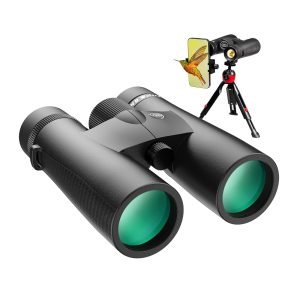
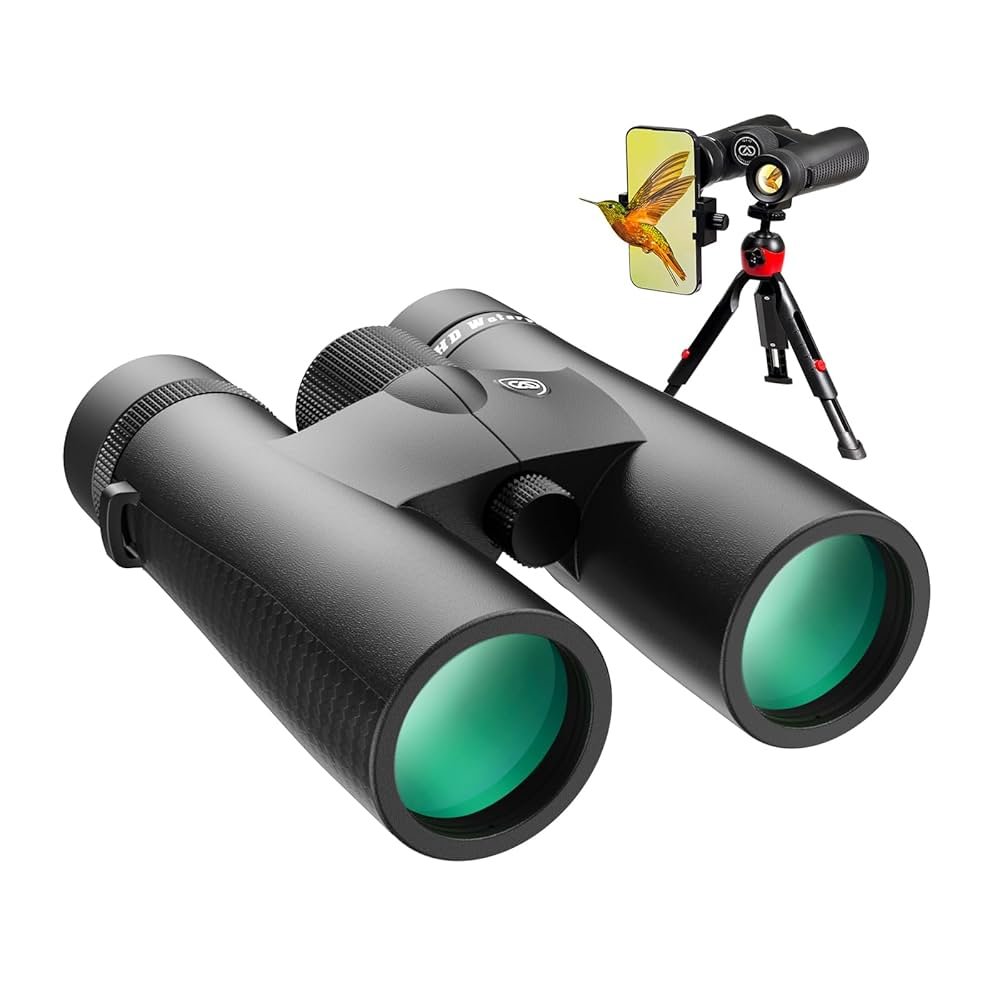
Tripod-compatible binoculars offer excellent stabilityduring use. They reduce shaking and make it easier to see distant objects clearly. This is very helpful on boats, where motion can cause blurry views.
The binoculars can be mounted on a tripod, providing a steady base. This allows for long periods of observation without fatigue. It also helps keep the image sharp and focused.
- Tripod mounts improve comfort for extended use.
- They help maintain a steady view despite boat movements.
- Users can enjoy enhanced clarityand detail.
Marine Environments And Binoculars
Marine environments pose many challengesfor binoculars. Saltwater, strong winds, and constant movement make using them difficult. Binoculars must be durableand able to handle these tough conditions.
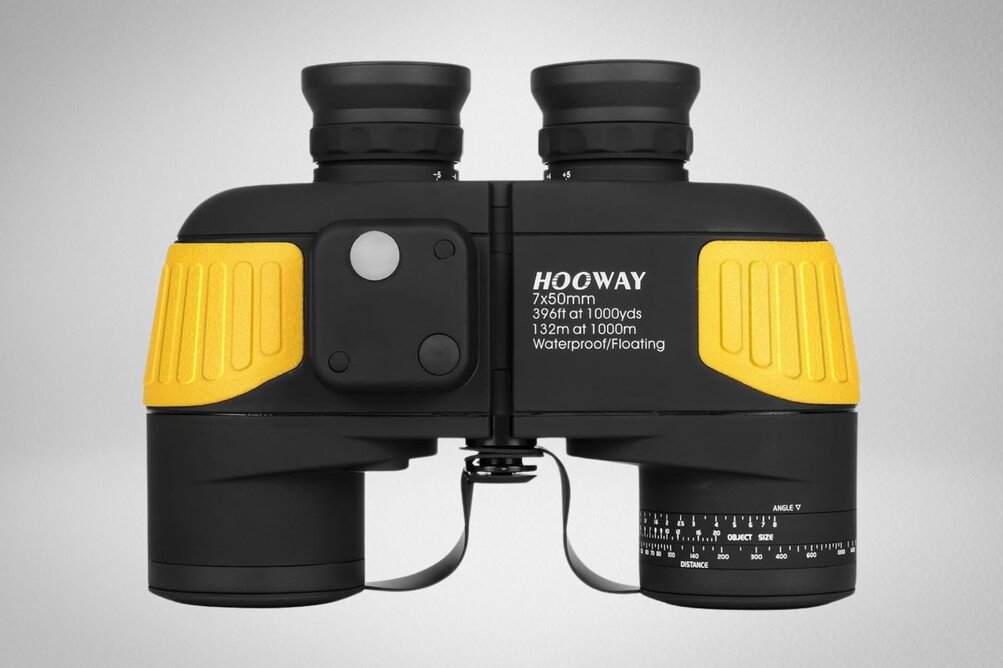
Waterproofing is very important. It protects binoculars from water damage and corrosion. Without waterproofing, saltwater can ruin lenses and mechanisms quickly. Look for binoculars with sealed and nitrogen-filledbodies to prevent fogging inside.
- Waterproof binoculars resist water and salt damage.
- Fog-proofing keeps the lenses clear during temperature changes.
- Strong casing protects against bumps and drops on boats.
Choosing The Right Binoculars For Marine Use
Optimal magnificationfor marine binoculars is usually between 7x and 10x. Higher magnification can make the image shaky. It is harder to hold steady on a moving boat. Tripod compatible binoculars help reduce shaking by attaching to a stable base. This feature is very useful for long viewing sessions.
Durability considerationsinclude water resistance and fog proofing. Marine binoculars should be sealed tightlyto keep out water and salt spray. Rubber coatings help protect against bumps and drops. Look for models made with corrosion-resistant materials. These features ensure binoculars last longer in harsh marine environments.

Credit: www.amazon.com
Tripod Use In Marine Settings
Tripod compatible binoculars provide steady views on boats, reducing shake from waves. They help spot distant objects clearly in marine environments. Using a tripod improves comfort and accuracy during long observation sessions at sea.
Advantages Of Tripod Stability
Using a tripod with binoculars offers steady viewingon boats. It reduces shaking caused by waves or movement. This helps you see far objects clearly. Tripods also allow longer observationwithout tiring your hands. You can adjust the height to fit your comfort. It makes spotting easier and more precise. Tripods are great for bird watchingand spotting ships or landmarks at sea.
Limitations In Marine Applications
Tripods can be bulky and hard to moveon small boats. They may not work well on very rough seas. The tripod legs might slip on wet surfaces. Strong winds can cause extra shaking, reducing stability. Setting up a tripod takes time, which is not always possible on fast-moving boats. Some tripods are not corrosion-resistantand can get damaged by saltwater.
Expert Opinions On Marine Binoculars
Marine professionals value tripod compatible binocularsfor their stabilityand clear view. These binoculars help reduce hand shake, which is common on boats. Many users say they provide a steady imageduring long observations.
Compared to standard binoculars, marine models often have waterproofand fog-prooffeatures. This keeps the lenses clear in wet and humid conditions. Tripod mounts also allow for hands-free use, making them ideal for spotting distant objects on the sea.
| Feature | Tripod Compatible Marine Binoculars | Standard Binoculars |
|---|---|---|
| Stability | High with tripod | Low, hand-held only |
| Water Resistance | Usually waterproof | Often not waterproof |
| Fog Proof | Yes, sealed lenses | Rarely fog proof |
| Weight | Heavier due to build | Lighter and portable |
| Use Case | Best for long marine use | Good for casual use |
Tips For Using Binoculars At Sea
Keep binoculars clean and dry to protect them from sea air. Use a soft cloth to wipe lenses gently. Store them in a waterproof case when not in use. Saltwater can damage the lenses and metal parts, so rinse binoculars with fresh water after use. Check for any loose screws or parts before heading out.
Choose a time with clear skies and good light for better viewing. Avoid looking directly at the sun to protect your eyes and lenses. Hold binoculars steady; use a tripod if possible to reduce shaking. Adjust the focus slowly to get a sharp image. Watch for waves and movement, as they can make viewing harder.
Credit: www.boatsailmag.com
Frequently Asked Questions
Can Tripod Compatible Binoculars Withstand Marine Conditions?
Yes, tripod compatible binoculars can withstand marine conditions if they are waterproof and fog-proof. Look for models with durable, corrosion-resistant materials designed for saltwater use to ensure longevity and clear vision on the water.
Are Tripod Mounts Useful For Marine Binoculars?
Tripod mounts are very useful for marine binoculars. They provide stability, reduce hand fatigue, and improve image clarity, especially during long observation periods on a boat or ship.
What Features Make Binoculars Suitable For Marine Use?
Marine binoculars should have waterproofing, fog resistance, and a sturdy build. Additionally, features like a tripod mount, non-slip grip, and good light transmission enhance usability on water.
Can I Use Regular Tripod Binoculars On A Boat?
You can use regular tripod binoculars on a boat if they are waterproof and stable. However, marine-specific binoculars are better suited for harsh sea environments and extended use.
Conclusion
Tripod compatible binoculars work well for marine use in many ways. They help keep the view steady on rough waters. This makes it easier to see distant objects clearly. Using a tripod also reduces hand fatigue during long trips. Choose binoculars with waterproof and fog-proof features.
These protect your gear in wet and humid conditions. Overall, tripod compatible binoculars offer stability and comfort for marine adventures. They are a smart choice for anyone needing clear, steady vision on the water.