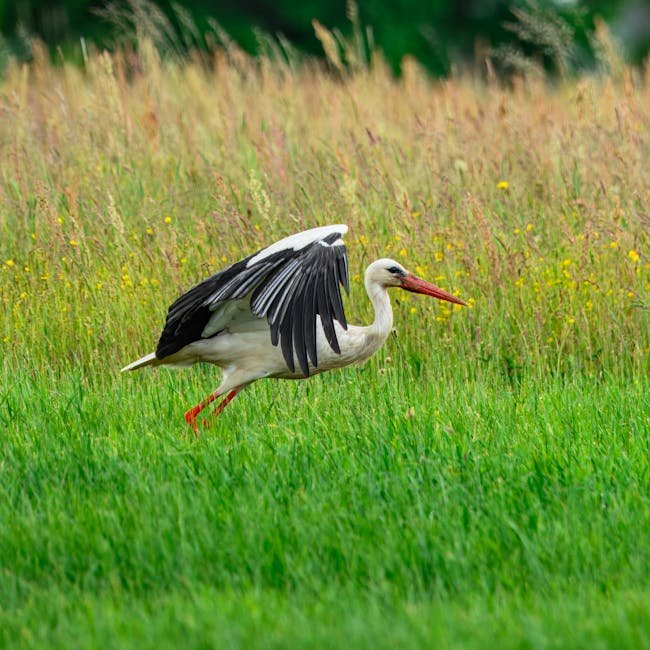
Are you ready to take your birdwatching to the next level? Using birding binoculars for tracking bird migration can open up a whole new world of excitement and discovery.
But how do you make sure you’re using your binoculars the right way to spot those amazing migratory birds? You’ll learn simple, practical tips to sharpen your skills and get the most out of your gear. By the end, you’ll feel confident and ready to catch every flutter and flight on your next birding adventure.
Keep reading to become a migration tracking pro!

Credit: www.yahoo.com
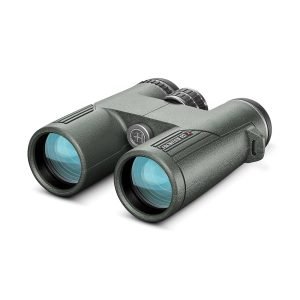
Choosing The Right Binoculars
Magnificationshows how close the bird appears. A 8x to 10x magnification is best for bird migration. Higher magnification can shake more, making it hard to see clearly.
Lens diametermeans the size of the binocular lens. Bigger lenses let in more light. This helps see birds in low light or cloudy days. A 32mm to 42mm lens size is good for migration.
| Field of View | Why it Matters |
|---|---|
| Wide | Easier to spot moving birds during migration |
| Narrow | Good for focusing on one bird far away |
- Lightweightbinoculars are easier to carry all day.
- Look for soft grips for better comfort.
- Adjustable straps help keep binoculars ready quickly.

Credit: www.birdwatchingdaily.com
Essential Features For Migration Tracking
Weatherproof and durable birding binocularsare perfect for tracking birds during migration. Rain, wind, or dust won’t harm them. This means you can watch birds anytime without worry.
Image stabilizationhelps keep the view steady. This is useful when birds fly far or when your hands shake. Clear and steady images make it easy to spot small details.
Low light performanceis important for early mornings or late evenings. Binoculars with good light gathering show brighter and sharper images. This helps you see birds even in dim light.
Setting Up Your Binoculars
Adjust the eye reliefto fit your eyes comfortably. This helps you see the full view without dark edges. Move the eyecups up or down until the image feels clear and easy. People who wear glasses need more eye relief.
Fine-tune the focusby using the center wheel. Start by closing one eye and focus with the other. Then open both eyes and adjust until the image is sharp for both eyes. This helps you spot birds clearly during migration.
Balance the binoculars by holding them steady with both hands. Keep your elbows close to your body for more support. This reduces shaking and makes it easier to track moving birds.
Effective Birding Techniques
Patience is key for spotting birds during migration. Birds can be still or fast. Watch quietly and wait. Use your binocularsto see details from far away. Focus on bird shapes, colors, and movements. Sharp observation helps identify species.
Carry a field guideto match birds with pictures. Binoculars help see small features that photos show. Compare beaks, wings, and tails. This makes finding the right bird easier.
Keep a notebook or use an app to record sightings. Note the time, place, and bird type. This helps track migration patterns over days or weeks. Sharing your notes can help other bird lovers too.
Optimal Locations For Tracking
Bird migration follows specific paths called key migration routes. These routes help birds move safely between places.
Identifying hotspotsalong these routes is important. Hotspots are areas where many birds stop to rest or feed. These places offer good chances to see many birds.
Seasonal timing matters a lot. Bird migration happens mostly in spring and fall. Choosing the right season helps you see more birds on the move.
- Find places near water, forests, or mountains.
- Check maps of bird migration routes.
- Visit hotspots early in the morning or late afternoon.
- Plan trips during peak migration months.
Safety And Ethical Considerations
Respecting bird habitatsmeans staying quiet and not touching nests or plants. Birds need calm places to rest and feed during migration.
Maintaining safe distanceshelps birds feel safe. Use binoculars to watch from far away without scaring them. Keep at least 25 feet away from nests or resting birds.
Avoiding disturbanceis very important. Move slowly and avoid sudden noises. Never chase or try to catch birds. Let them fly and live peacefully.
- Stay on marked paths to protect the environment.
- Do not use flash or bright lights near birds.
- Keep pets away from bird watching areas.
Expert Tips And Tricks
Accessorieslike lens cleaners and sunshades improve binocular clarity. Clean lenses reduce smudges that blur your view. Sunshades cut glare from bright sunlight, making birds easier to see. Use a tripod or harness for steady hands during long observation sessions.
Building a network with local birdershelps share tips and sightings. Birding groups often share recent migration news and good viewing spots. Join social media groups or local clubs to connect with others. Sharing experiences leads to better tracking success.
Stay informed about migration patternsby checking online maps and reports. Weather changes often affect bird movement. Follow websites or apps that update migration timing and routes. This helps plan your outings at the best times and places.

Credit: www.instagram.com
Frequently Asked Questions
What Are The Best Binoculars For Bird Migration Tracking?
The best binoculars have 8x to 10x magnification and a wide field of view. They offer bright, clear images and are lightweight for easy handling during long birdwatching sessions.
How To Properly Hold Binoculars For Bird Watching?
Hold binoculars steadily with both hands, elbows close to your body. Use a neck strap to reduce fatigue and keep the view stable while tracking fast-moving birds.
When Is The Best Time To Track Bird Migration?
Early morning and late afternoon are ideal for bird migration tracking. Birds are most active during these times, and natural light enhances visibility through your binoculars.
How To Focus Binoculars For Clear Bird Images?
Adjust the central focus wheel first, then use the diopter ring on one eyepiece for sharpness. This ensures clear and detailed views of birds during migration.
Conclusion
Using birding binoculars makes tracking migration easier and more fun. Choose the right binoculars for clear, sharp views. Practice regularly to spot birds quickly and accurately. Stay patient and enjoy the peaceful moments outdoors. Watching birds move across the sky connects you with nature.
Keep your binoculars ready for each migration season. Happy birding!