If you love birdwatching, you know how important steady, clear views are. Attaching a tripod to your birding binoculars can make a huge difference.
It helps you keep your hands free and enjoy sharp, stable images for longer periods. But if you’re not sure how to do it right, don’t worry—you’re about to learn simple steps that anyone can follow. By the end of this article, you’ll feel confident setting up your binoculars with a tripod, so you never miss a perfect bird sighting again.
Keep reading to discover easy tips that will change the way you watch birds forever.
Benefits Of Using A Tripod For Birding Binoculars
Using a tripodwith birding binoculars brings many benefits. It stabilizesthe view, which helps you see birds clearly without shaking. This is very important for long observation times. Your hands can get tired holding binoculars, but a tripod keeps them steady.
It also helps in spotting birds far away. The steady image makes it easier to notice small details like colors and shapes. Tripods allow you to adjust the height and anglefor the best view. This makes bird watching more comfortable and less tiring.
- Reduces hand fatigueduring long watching sessions
- Improves image stabilityfor clearer views
- Allows hands-free usefor note-taking or photos
- Adjustable heightfor better comfort
- Helps in watching distant birdsmore clearly
Choosing The Right Tripod
Choosing the right tripod is key for steady birding binocular use. Tripods come in various materials. Common options include aluminum, carbon fiber, and plastic. Aluminum tripods are affordable and sturdy. Carbon fiber models are lightweight and strong. Plastic tripods are cheap but less durable.
Weight affects how easy it is to carry the tripod. Lightweight tripods are better for long walks. Heavy tripods offer more stabilitybut can be tiring to carry.
| Feature | What to Look For |
|---|---|
| Material | Aluminum, carbon fiber, plastic |
| Weight | Light enough to carry, heavy enough for stability |
| Portability | Compact design, easy to fold |
| Stability | Strong legs, non-slip feet |
| Height | Adjustable to eye level |
Understanding Binocular Compatibility
Binoculars come in many shapes and sizes. Some are made to work well with tripods, while others are not.
- Full-size binocularsoften have a tripod mount.
- Compact binoculars usually do not fit on tripods.
- Spotting scopes are great for tripods but are different from binoculars.
Check for a small threaded holeunder the binoculars. This hole is for attaching a tripod.
Some binoculars have a removable plate or adapter. This part allows easier tripod fitting.
| Binocular Type | Tripod Adaptability | Notes |
|---|---|---|
| Full-size | Usually yes | Often have tripod mount or adapter |
| Compact | Rarely | Small and light, no tripod hole |
| Spotting Scope | Yes | Designed for tripod use |
Essential Tools And Accessories
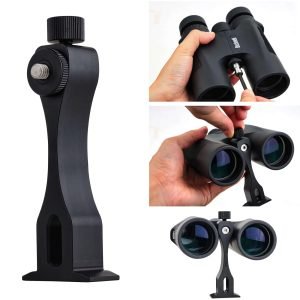
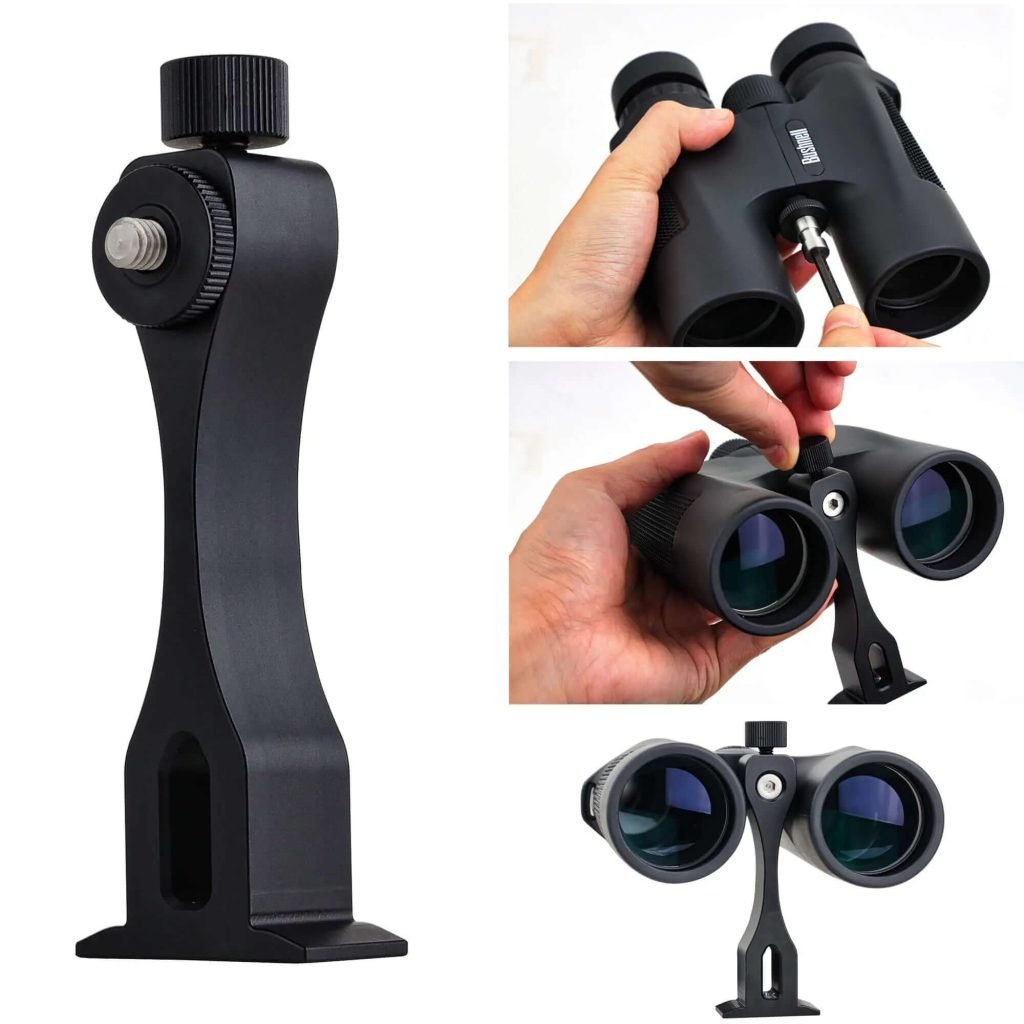
Tripod adapters must fit the binocular’s tripod mount. Most binoculars have a standard 1/4-inch threaded holefor this. The adapter should be compatible with your binocular modelfor a secure fit. Some adapters attach to the binocular’s center hinge or objective lens housing.
Extra tools can help keep the binoculars steady. A tripod with adjustable heightgives better viewing angles. Using a quick-release platemakes attaching and detaching fast and easy. A ball heador pan-tilt head allows smooth movement and fine adjustments.
| Tool | Purpose |
|---|---|
| Tripod Adapter | Connects binoculars securely to tripod |
| Tripod | Provides stable support and adjustable height |
| Quick-release Plate | Makes attaching and removing easier |
| Ball Head / Pan-tilt Head | Allows smooth movement and angle control |
Step-by-step Attachment Process
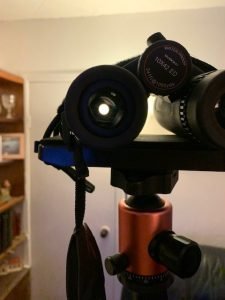
Start by checking the binoculars for a tripod adapter thread. Most birding binoculars have a small hole or cap on the front center. Remove any cover or cap from this spot to reveal the thread. Make sure the binoculars are clean and dry to avoid slipping during attachment.
Attach the tripod adapter by screwing it gently into the exposed thread. Turn it clockwise until it feels tight but avoid over-tightening. The adapter acts as a bridge between the binoculars and the tripod. Ensure it fits securely to prevent wobbling.
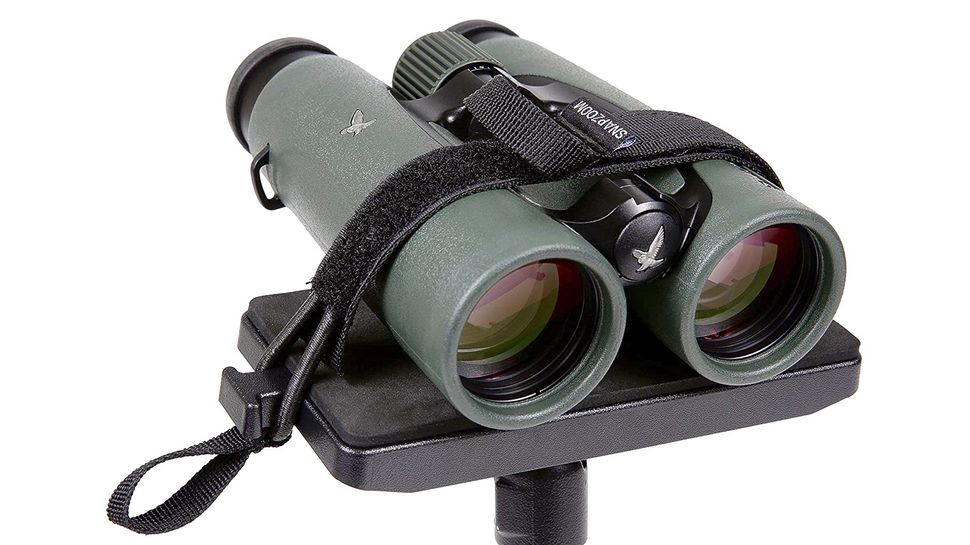
Place the binoculars with the adapter onto the tripod’s mounting plate. Align the adapter with the plate’s screw hole. Tighten the screw carefully to lock the binoculars in place. Check for stability by gently moving the binoculars. Adjust if needed to keep them steady for clear viewing.
Credit: uncomfortableknowledge.com
Troubleshooting Common Issues
Loose connections can cause your binoculars to wobble or fall off the tripod. Check the mounting screwand make sure it fits tightly. Use a washersor small rubber pads if the connection feels loose. Tighten the screw slowly without overdoing it to avoid damage.
For better stability, adjust the tripod legs to a firm, flat surface. Spread the legs wide enough to stop any shaking. Make sure the tripod head is locked after adjusting the binoculars’ angle.
- Use a small screwdriver to tighten loose screws.
- Place a rubber washer between the tripod and binocular base for a tighter fit.
- Check the tripod’s quick-release plate for secure locking.
- Extend tripod legs fully and lock them firmly.
- Keep the tripod on a flat, solid surface to avoid tilting.
Tips For Effective Bird Watching
Place the tripod on a flat and stable surface. This ensures steady supportfor your binoculars. Attach the binoculars to the tripod using the mounting plateor adapter. Make sure it fits snugly to avoid wobbling.
Adjust the tripod height to match your eye level. This helps keep a comfortable postureand reduces neck strain. Use the tripod’s tilt and swivel functions for smooth viewing angle changes. Lock the position once set.
- Keep binoculars balanced on the tripod for better stability.
- Use a tripod with adjustable legs for uneven ground.
- Bring a padded case to protect your gear during travel.
Position the tripod so you can watch birds without moving too much. This reduces shakingand helps maintain focus. Adjust the viewing angle to avoid glare from the sun or reflections.

Credit: powrig.com

Credit: powrig.com
Frequently Asked Questions
How Do I Attach A Tripod To Birding Binoculars?
Locate the tripod adapter on your binoculars. Screw the tripod plate into the adapter. Securely mount the binoculars onto the tripod head. Ensure stability before use to avoid shaking or falling.
What Tools Are Needed For Tripod Attachment?
Usually, no special tools are needed. Most binoculars come with a built-in tripod adapter. A small screwdriver may be required for some models. Always check your binocular manual for specific instructions.
Can All Birding Binoculars Fit On A Tripod?
No, not all binoculars have tripod adapters. Check your binocular’s specifications before attempting attachment. Using an adapter or bracket may be necessary for some models. Confirm compatibility to ensure a secure fit.
Why Use A Tripod With Birding Binoculars?
A tripod stabilizes your view, reducing hand shake. It allows for longer, comfortable observation sessions. Tripods help in capturing steady photos through binoculars. They enhance precision in bird watching and identification.
Conclusion
Attaching a tripod to birding binoculars improves stability and viewing comfort. It helps reduce hand shake and lets you watch birds longer. Use the tripod adapter carefully to avoid damage. Tighten screws firmly but gently to keep your binoculars steady.
Practice attaching your binoculars at home before going outside. This simple step makes bird watching easier and more fun. Enjoy clear, steady views of birds every time you go out.