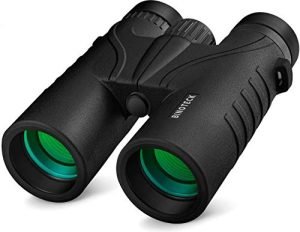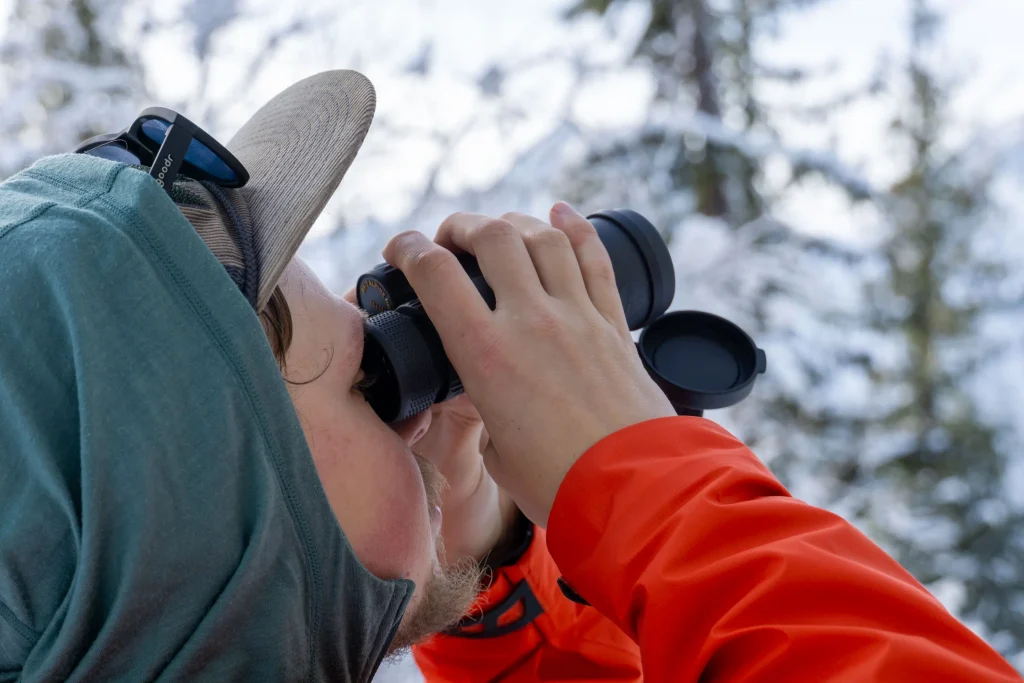
Are you ready to unlock the full potential of your wide-angle binoculars? Setting them up correctly can make a huge difference in what you see and how comfortable your viewing experience is.
Whether you’re bird watching, stargazing, or exploring nature, knowing the right steps to adjust your binoculars will bring every detail into sharp focus. In this guide, you’ll discover simple tips and tricks to get the clearest, widest view possible. Keep reading, and you’ll be amazed at how easy it is to transform your binoculars into a powerful tool for unforgettable sights.
Choosing The Right Wide-angle Binoculars
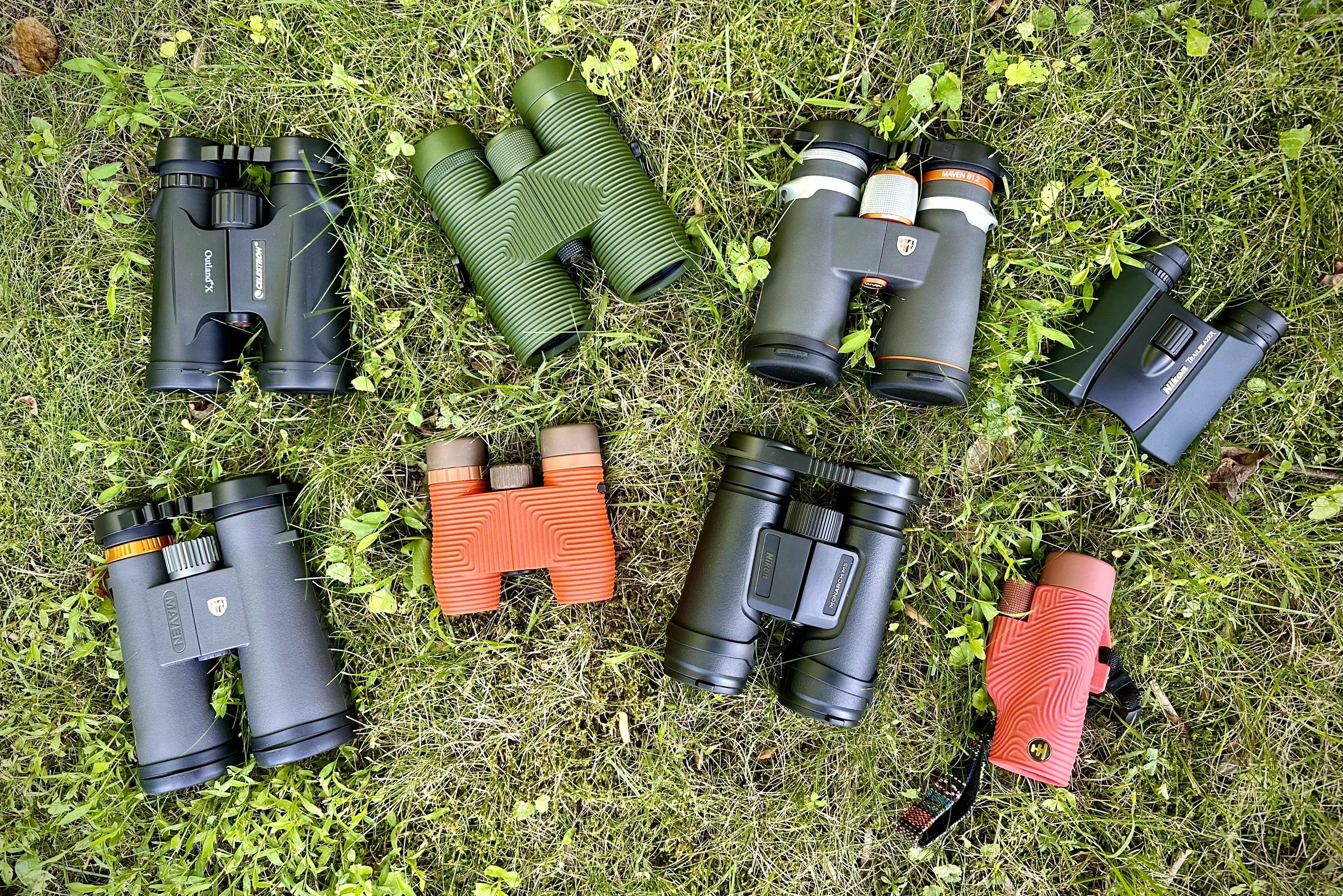
Wide-angle binocularsoffer a larger field of view than regular binoculars. Check the specificationscarefully to find what suits your needs. Key specs include magnificationand field of view. Magnification shows how much closer objects appear. Field of view tells how wide the scene looks through the lenses.
Consider where you will use the binoculars most often. For bird watching, a wide field of view helps spot birds quickly. For stargazing, higher magnification may be better. For sports events, a mix of both can work well.
- Magnification: Usually between 7x to 12x
- Field of View: Wider means you see more at once
- Lens Diameter: Bigger lenses gather more light
- Weight: Lighter models are easier to carry
Credit: gearjunkie.com
Preparing For Setup
Gather the essential accessoriesbefore setting up your wide-angle binoculars. These include a sturdy tripod, lens cleaning cloth, and extra batteries. A tripod helps keep the view steady. Clean lenses give the clearest picture. Spare batteries ensure you don’t run out of power during use.
Choose a location with a clear, wide viewand little light pollution. Avoid places near bright streetlights or reflective surfaces. A high spot or open field works well for wide-angle viewing. The area should be quiet and safe. This helps you focus on the sights without distractions.
Adjusting Binocular Settings
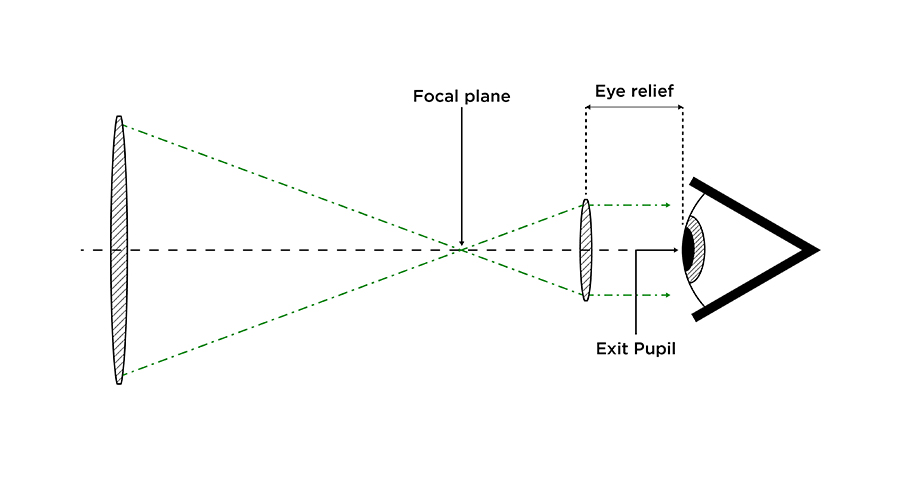
Setting interpupillary distancemeans adjusting the binoculars’ two eyepieces. This distance should match the space between your eyes. Hold the binoculars up and slowly move the eyepieces closer or farther apart. Stop when you see a single, clear circle of view. This helps prevent eye strain and gives a full image.
Focusing techniquesstart by using the central focus wheel. Close your right eye and look through the left eyepiece with your left eye. Turn the focus wheel until the image is sharp. Then close your left eye and open your right eye. Use the diopter adjustment to focus the right eyepiece.
Diopter adjustmentfine-tunes the focus for differences between your eyes. After focusing the left eyepiece, adjust the right eyepiece’s diopter ring. Turn it until the image looks clear for your right eye. This ensures both eyes see the same sharp image, making viewing comfortable.
Optimizing Stability And Comfort
Wide-angle binoculars can be heavy and hard to hold steady. Using a tripod or mounthelps keep the view stable and clear. Tripods reduce shaking and allow longer viewing sessions without arm strain. Many binoculars have a tripod adapter for easy attachment.
Holding binoculars comfortably is key. Support your elbows against your chest or a solid surface. This reduces hand tremors and makes it easier to keep focus. Avoid gripping too tight; a relaxed hold helps steady the view.
- Use a tripod for long or detailed viewing
- Attach binoculars securely to prevent wobbling
- Rest elbows on a stable surface for better control
- Keep a relaxed grip to avoid fatigue
Enhancing Viewing Experience
Choosing the right timegreatly improves your viewing experience. Early morning or late afternoon light is soft and clear. Avoid bright midday sun, as it can cause glare. Cloudy days help reduce harsh shadows and make details easier to see. Calm weather is best since wind can shake your binoculars and blur the view.
Filters help protect your eyes and enhance image quality. Use UV filtersto reduce harmful rays and improve clarity. Polarizing filters cut glare from water or glass surfaces. These filters make colors look richer and details sharper. They are easy to attach and remove from your binoculars. Try different filters to see which works best in your environment.
:max_bytes(150000):strip_icc()/tal-athlon-optics-8x42-midas-uhd-binoculars-signe-bamsey-ben-wanamaker-09-1-8caa644274c046f78e4cc47a08bb9750.jpeg)
Credit: www.travelandleisure.com
Maintenance And Care
Cleaning binocular lenses gently protects their clarity. Use a soft brush or air blower to remove dust first. Then, wipe lenses with a microfiber cloth. Avoid using household cleaners or paper towels as they can scratch lenses.
Keep lenses dry and clean to ensure sharp views every time. Clean the body with a damp cloth to remove dirt and fingerprints. Regular cleaning helps maintain binocular performance and extends their life.
- Store binoculars in a protective case to avoid damage.
- Keep them in a cool, dry place to prevent mold and rust.
- Use silica gel packets in the case to absorb moisture.
- Avoid leaving binoculars in direct sunlight or extreme temperatures.
- Always cover lenses with lens caps when not in use.
Credit: www.wexphotovideo.com
Frequently Asked Questions
How Do I Focus Wide-angle Binoculars Correctly?
To focus wide-angle binoculars, first adjust the central focus wheel until the image is sharp. Then, use the diopter adjustment on one eyepiece to fine-tune for individual eye differences. This ensures clear, crisp viewing tailored to your eyesight.
What Is The Best Way To Hold Wide-angle Binoculars?
Hold binoculars steadily with both hands, elbows close to your body. This reduces shake and improves image stability. For longer viewing, consider using a tripod or resting your elbows on a stable surface for optimal clarity.
How Do I Adjust The Interpupillary Distance?
Adjust the binocular barrels by folding or spreading them until you see a single, circular image. Proper interpupillary distance alignment prevents eye strain and ensures comfortable, wide-angle viewing for both eyes.
When Should I Use A Tripod With Wide-angle Binoculars?
Use a tripod during extended viewing sessions or when using high magnification. It stabilizes the binoculars, reducing hand tremors and improving image clarity, especially in low-light conditions or detailed observation.
Conclusion
Setting up wide-angle binoculars takes a few simple steps. Adjust the eyepieces to match your eyes. Focus the center wheel until the image is clear. Use the wide field of view to see more at once. A steady hand or tripod helps keep things sharp.
Practice a bit to get comfortable with your gear. Enjoy clearer, wider views on every adventure. Proper setup makes your binoculars work their best.