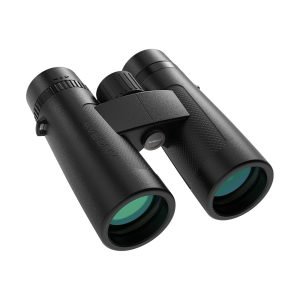
You rely on your ED glass binoculars to see the world with crystal-clear clarity. But when dirt, dust, or smudges cloud your lenses, your view becomes frustrating and blurry.
Cleaning these delicate lenses the wrong way can cause permanent damage, ruining your investment. So, how do you clean your ED glass binocular lenses safely without scratching or harming them? You’ll discover simple, effective steps to keep your binoculars spotless and performing at their best.
Keep reading to protect your gear and enjoy sharper, clearer views every time you look through your binoculars.

Credit: www.reddit.com
Preparation For Cleaning
Gathering the right supplies is essentialfor safe lens cleaning. Use a soft microfiber clothto avoid scratches. A lens cleaning solutionmade for optics works best. Avoid household cleaners that can damage coatings. A blower brushhelps remove dust gently. Have cotton swabs ready for small spots.
Choose a clean, dust-free areawith good light. A stable surfaceprevents dropping the binoculars. Avoid windy places to stop dust landing on lenses. Work in a dry placeto keep moisture away.
- Microfiber cloth
- Lens cleaning solution
- Blower brush
- Cotton swabs
- Clean, dust-free area
- Stable surface
- Good lighting
- Dry environment
Inspecting The Lenses
Check the lenses carefully under good light. Look for any dirt, dust, smudges, or fingerprintson the surface. Use a soft cloth or lens brush to remove loose dust. Avoid touching the lenses with fingers to prevent more smudges.
Next, look for scratches or crackson the lenses. These can affect your view and might need professional repair. Small scratches may not harm the image quality much, but deep ones can cause problems.
Inspect the binocular body too. Make sure the lens covers fit well and protect the lenses when not in use.
Using The Right Tools
Using the right tools is essentialto keep your Ed Glass binocular lenses clean. Soft brushes help remove dust without scratching the surface. Choose brushes made with fine, natural fibersfor best results.
Appropriate cloths are also important. Use microfiber clothsbecause they are gentle and do not leave lint. Avoid rough fabrics like paper towels or old clothes. These can damage lenses.
- Soft brushes remove loose dust safely
- Microfiber cloths clean without scratching
- Never use rough or dirty cloths
- Keep tools clean to avoid spreading dirt

Credit: www.walmart.com
Cleaning Techniques
Dry cleaningis the safest way to clean binocular lenses. Use a soft brush or a blower to remove dust and loose dirt gently. Avoid using fingers or rough cloths to stop scratches. A microfiber cloth works best to wipe the lens softly in circular motions. Always start from the center and move outward. Never press too hard on the lens surface.
Wet cleaningis needed only if dry cleaning does not remove smudges or oily marks. Use a small amount of lens cleaning solution or diluted isopropyl alcohol. Apply the liquid to a microfiber cloth, never directly on the lens. Gently wipe the lens in small circles. Avoid using household cleaners or paper towels as they can damage the coating.
Avoiding Common Mistakes
Preventing scratchesis key to keeping binocular lenses clear. Use a soft microfiber cloth only. Rough materials can cause tiny scratches that ruin the view. Gently wipe in one direction instead of rubbing back and forth. Avoid using your shirt or paper towels, as they can be abrasive.
Avoiding excess moistureprotects the lenses and internal parts. Do not pour water directly on lenses. Use a small amount of lens cleaner on the cloth instead. If lenses get wet, dry them quickly with a soft cloth. Moisture can cause spots or damage inside the binoculars.
- Always store binoculars in a dry, cool place.
- Use lens caps when not in use to shield from dust and moisture.
- Do not use household cleaners or sprays on lenses.
- Handle binoculars with clean hands to avoid oils on lenses.

Credit: www.reddit.com
Maintaining Binocular Lens Quality
Keeping binocular lenses clean helps them last longer and work better. Dust and dirt can blur your view. Clean lenses only when needed to avoid damage. Use a soft brush or air blower to remove loose dust gently.
Use a microfiber cloth to wipe lenses softly. Avoid using rough materials or paper towels that can scratch. If lenses have smudges, dampen the cloth slightly with lens cleaner or water. Never spray cleaner directly on the lenses.
| Storage Tip | Why It Matters |
|---|---|
| Keep binoculars in a protective case | Protects lenses from dust and scratches |
| Store in a cool, dry place | Prevents mold and moisture damage |
| Use lens caps when not in use | Stops dirt and oil buildup |
Expert Recommendations
Choosing quality cleaning productsis key to protect Ed Glass Binocular lenses. Use only lens cleaning solutionsmade for optics. Avoid household cleaners that can damage coatings. A soft microfiber clothhelps remove dust without scratching. Keep the cloth clean to avoid rubbing grit on lenses.
Professional services can help if lenses are very dirty or scratched. Experts use special tools to clean lenses safely. They also check for damage and fix minor issues. This keeps binoculars working well for a long time.
Frequently Asked Questions
How Do I Safely Clean Ed Glass Binocular Lenses?
Use a soft brush or air blower to remove dust first. Then, gently wipe lenses with a microfiber cloth. Avoid harsh chemicals; use lens cleaning solution designed for optics. Always clean in a circular motion to prevent scratches and damage.
What Materials Are Best For Cleaning Binocular Lenses?
Microfiber cloths and lens cleaning solutions are ideal. Avoid paper towels or rough fabrics, which can scratch lenses. Use a soft brush or air blower to remove loose dirt before wiping. Always choose products made for optical lenses for safety.
Can Household Cleaners Damage Ed Glass Lenses?
Yes, household cleaners can harm lens coatings and glass. Avoid using alcohol, ammonia, or other harsh chemicals. Stick to lens-specific cleaning solutions to maintain clarity and protection. Using improper cleaners can reduce lens performance and lifespan.
How Often Should I Clean My Binocular Lenses?
Clean lenses only when necessary to avoid damage. Regularly remove dust with a blower or brush. Deep cleaning is recommended if you notice smudges or dirt affecting clarity. Proper maintenance ensures optimal viewing and extends binocular life.
Conclusion
Cleaning ED glass binocular lenses carefully keeps your view clear and sharp. Use a soft brush or air blower first to remove dust. Then, gently wipe with a microfiber cloth and lens cleaner. Avoid harsh chemicals or rough materials that can scratch lenses.
Regular cleaning helps your binoculars last longer and perform better. Take your time and be gentle. Clear lenses make every outdoor experience more enjoyable. Keep your binoculars clean, and enjoy crisp, bright views every time. Simple steps make a big difference in lens care.