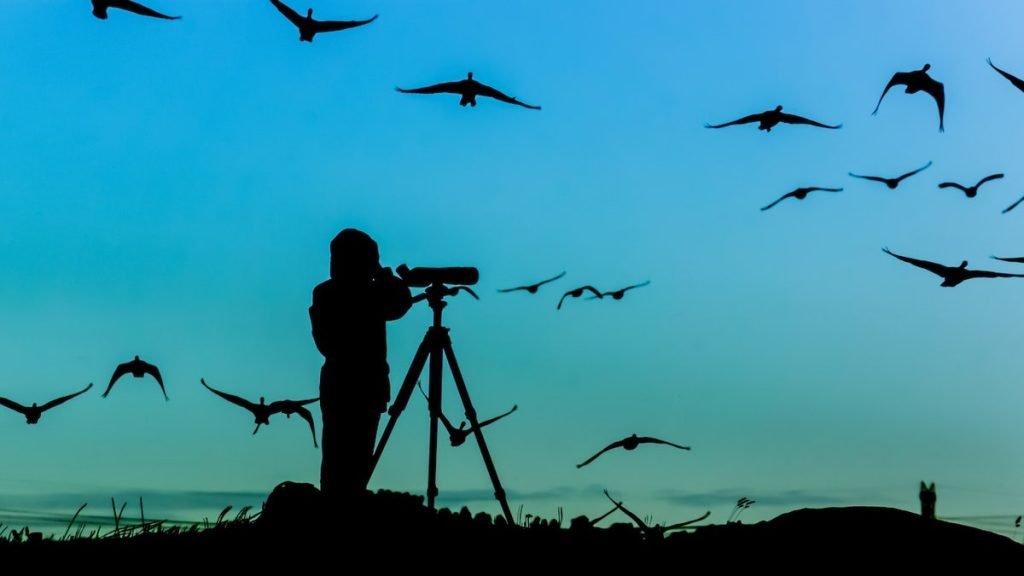
Have you ever wondered if wide-angle binoculars could change the way you watch bird migration? If you’re serious about birdwatching, you know how important clear, wide views are.
But are wide-angle binoculars the right choice to catch every flutter and detail during those incredible migration moments? You’ll discover how these binoculars work for bird migration observation and whether they can give you the edge you need. Keep reading to find out if wide-angle binoculars can truly enhance your birdwatching experience.
Credit: shopeverbeam.com
Wide-angle Binoculars: An Overview
Wide-angle binoculars offer a broad view, making it easier to spot many birds at once. They are useful for observing bird migration over large areas. Their wide field helps track fast-moving flocks without missing details.
Definition And Features
Wide-angle binocularsprovide a larger field of view than regular binoculars. This means you see more of the scene without moving your eyes. They are perfect for watching birds in flight or large groups. The lenses are designed to reduce distortion at the edges. This keeps the image clear and sharp across the whole view. Many wide-angle models are also lightweight, making them easy to carry during long birdwatching trips.
Comparison To Standard Binoculars
| Feature | Wide-Angle Binoculars | Standard Binoculars |
|---|---|---|
| Field of View | Wider, shows more area | Narrower, shows less area |
| Image Clarity | Clear across edges | May blur at edges |
| Weight | Usually lighter | Can be heavier |
| Best Use | Birds in flight, large groups | Close, detailed viewing |

Credit: www.yahoo.com
Bird Migration Patterns
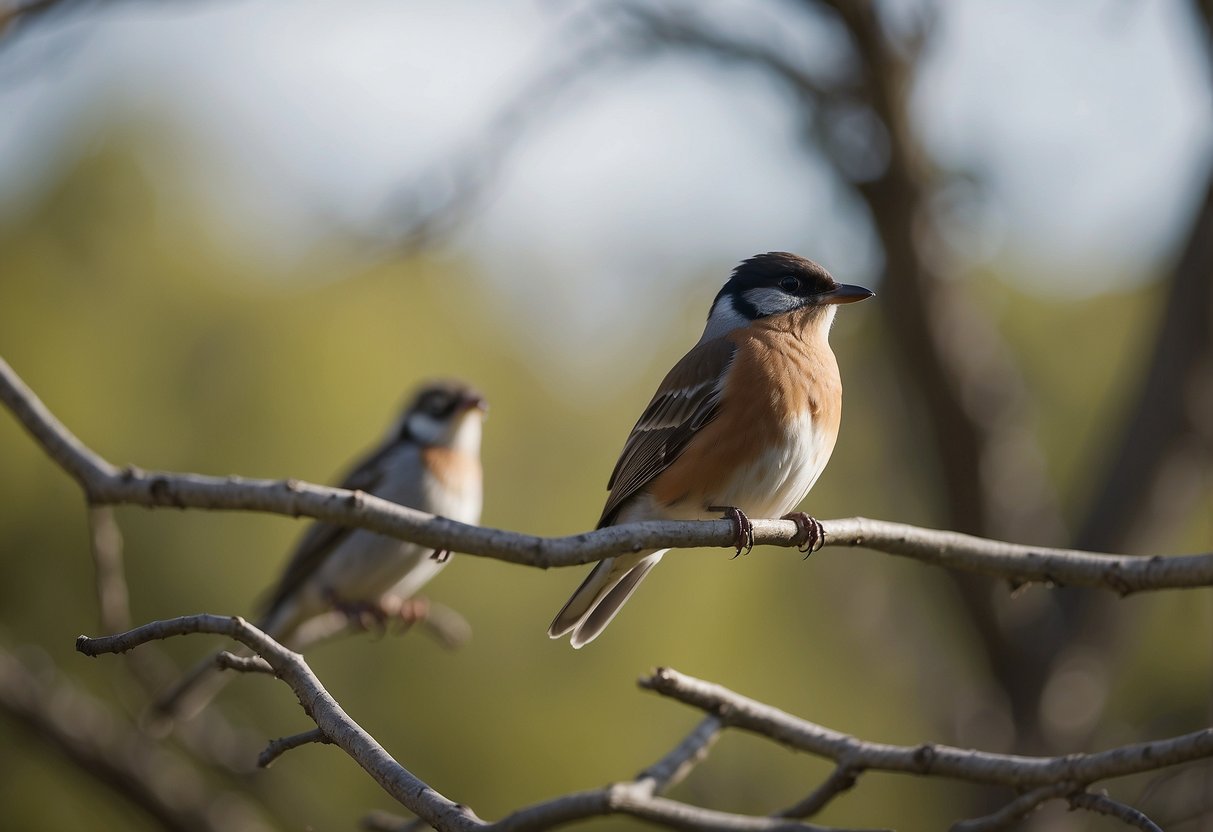
Bird migration happens in cycles linked to seasons.Birds move to find better food and weather. During spring and fall, many birds travel long distances. These changes affect the types of birds seen in different places.
Common migratory birds include:
- Swallows– fast flyers, seen in spring and fall.
- Geese– large flocks flying in V-shapes.
- Warblers– small, colorful birds migrating in spring.
- Hawks– use thermal air currents to travel.
| Season | Bird Activity |
|---|---|
| Spring | Birds return from south to breed |
| Fall | Birds leave to find warmer places |
Advantages Of Wide-angle Binoculars
Wide-angle binoculars offer a broad view, making it easier to spot birds in large flocks. Their wide field helps track fast-moving birds during migration. This makes observing bird migration smoother and more enjoyable.
Enhanced Field Of View
Wide-angle binoculars show a bigger areaat once. This helps you see more birds without moving the binoculars a lot. It is easier to spot birds flying fast or far away. You get a clear view of the sky and landscapearound the birds. This makes watching birds more comfortable and fun.
Improved Tracking Of Flocks
Following a group of birds is simple with wide-angle binoculars. You can keep many birds in sight while they move. This helps in noticing how birds fly together and change direction. It reduces the chance of losing track of any bird in the flock. This makes bird migration observation much more effective.
Challenges In Bird Migration Observation
Bird migration observation needs clear and sharp views. Distance can make birds look small and hard to see. Wide-angle binoculars sometimes struggle with clarityat far distances. This can make it tough to spot details on flying birds.
Weather also plays a big role. Fog, rain, and strong windlower visibility. Light conditions change during the day, affecting how well binoculars work. Bright sunlight or low light can hide colors and shapesof birds.
- Distance makes birds appear smaller.
- Wide-angle lenses might lose sharpness at long range.
- Fog and rain reduce visibility.
- Strong wind can disturb birds and observers.
- Lighting affects color and detail perception.
Expert Tips For Effective Use
Wide-angle binoculars offer a broad view, making it easier to spot birds in flight during migration. Adjust focus quickly to track fast-moving flocks smoothly. Use them in open areas for the best observation experience.
Optimal Positioning
Hold the binoculars steady to get a clear view. Find a spot with a wide, open sky. Stay away from bright lights that can cause glare. Keep your elbows close to your body for better stability. Use a tripod if your binoculars support it. Face the direction where birds usually fly during migration. Adjust your body to avoid blocking the sun with the binoculars.
Adjusting Focus And Settings
Start with the focus wheel to make the image sharp. Use the center focus for general use. Adjust the diopter ring for one eye if needed. Check that both eyes see clearly and comfortably. Use a wide field of view to track fast-moving birds easily. Practice focusing before the birds arrive for quick adjustments. If your binoculars have settings for brightness or zoom, keep them moderate to avoid strain.
Choosing The Right Wide-angle Binoculars
Wide-angle binocularshelp you see a large area at once. This is useful for watching many birds during migration. Look for good lens qualityto see clear images. A wide field of view helps track flying birds easily. Choose binoculars with lightweight designto carry them for long times. Water and fog resistance are important for outdoor use. Zoom or magnification around 8x to 10xis best for birdwatching. Also, check for comfortable eyecupsand easy focusing.
| Brand | Model | Magnification | Field of View | Price Range |
|---|---|---|---|---|
| Nikon | Prostaff 3S 8×42 | 8x | 8.5° | Affordable |
| Vortex | Diamondback HD 10×42 | 10x | 6.5° | Mid-range |
| Zeiss | Conquest HD 8×42 | 8x | 7.6° | Premium |
Additional Tools For Bird Observation
Bird guides and apps help identify species quickly. They show pictures, sounds, and migration paths. Using these tools improves bird watching. Apps often update with new bird info. Bird guides are easy to carry and use outdoors.
Photography captures birds in action. A camera with zoom helps get clear pictures. Photos let you study birds later. Sharing pictures helps others learn about birds. Use a tripod for steady shots and better focus.
Environmental And Ethical Considerations
Wide-angle binocularsallow bird watchers to see more birds at once. This helps to watch bird groups without moving too much. Birds can get scared if we come too close. Staying quiet and calm helps protect their homes.
Bird habitats are very delicate. Walking off paths or making loud noises can harm plants and animals. Using binoculars lets us see birds without touching their homes. This keeps the environment safe and peaceful for birds.
- Keep a good distance from birds.
- Do not disturb nests or resting birds.
- Stay on marked trails to protect plants.
- Use binoculars to watch quietly from afar.
Respecting wildlifemeans watching without causing stress. Birds need rest during migration. Loud sounds or sudden moves can scare them away. Watching birds with care helps them stay safe and healthy.

Credit: www.numberanalytics.com
Frequently Asked Questions
Can Wide-angle Binoculars Improve Bird Migration Observation?
Yes, wide-angle binoculars provide a larger field of view. This helps track multiple migrating birds easily. They reduce eye fatigue during long observation sessions.
Are Wide-angle Binoculars Better Than Standard Ones For Birding?
Wide-angle binoculars offer broader views, ideal for scanning skies. Standard binoculars have higher magnification but narrower views. Choice depends on birding style and environment.
What Magnification Is Ideal In Wide-angle Binoculars For Migration?
7x to 10x magnification is best for bird migration. It balances clarity and a wide field of view. Higher magnification narrows vision and may cause shaking.
Do Wide-angle Binoculars Work Well In Low Light Conditions?
Wide-angle binoculars with larger objective lenses gather more light. This improves visibility at dawn or dusk. Check lens quality for best low-light performance.
Conclusion
Wide-angle binoculars help spot many birds at once during migration. They offer a broad view, making it easier to follow flying flocks. These binoculars work well in open skies and wide spaces. They may not show distant details clearly but help track movement fast.
Choosing the right binoculars depends on your needs and budget. Bird watchers enjoy using wide-angle lenses for quick, wide scanning. They make migration observation more fun and less tiring. Try them to see if they fit your bird watching style.