Have you ever struggled to see clearly through your zoom binoculars when the light changes? Whether you’re watching birds at dawn or scanning the horizon at dusk, adjusting your binoculars to different light conditions can make all the difference.
If your view often feels blurry or too dark, you’re not alone—and the good news is that with a few simple tweaks, you can sharpen every scene. Keep reading to discover how to easily adjust your zoom binoculars so you never miss a detail, no matter the lighting.
Your perfect view is just a few steps away.
Choosing The Right Binoculars
Zoom binoculars come in different types, each suited for various uses. Compact modelsare small and light, ideal for travel. Standard zoom binocularsoffer good magnification and clear images. Wide-angle zoom binocularsprovide a larger view, helping to spot objects faster. Choosing the right type depends on how you plan to use them.
| Type | Best For | Key Feature |
|---|---|---|
| Compact | Travel and hiking | Lightweight, easy to carry |
| Standard Zoom | General use | Balanced magnification and clarity |
| Wide-Angle Zoom | Bird watching and sports | Wide field of view |
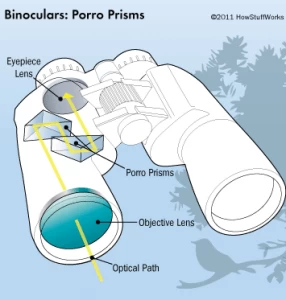
For low light conditions, binoculars need special features. Larger objective lenseslet in more light. Good quality coatings on lensesreduce glare and improve brightness. A wider exit pupilhelps the eyes see clearer in dim light. Choosing binoculars with these features improves viewing at dawn or dusk.

Credit: www.instagram.com
Understanding Light Conditions
Daylight settingsrequire binoculars to be adjusted for bright light. Turn the brightness controldown to avoid glare. Use the diopter adjustmentto sharpen the image. Clear, sharp views are key in daylight. Avoid looking directly at the sun.
For twilight adjustments, increase the brightness slightly. This helps capture more light in dimmer conditions. Use the focus knobto keep images clear as light fades. Be gentle with adjustments to avoid over-brightening. Twilight needs a balance between light and clarity.
Nighttime usagecalls for maximum light gathering. Open the lenses fully for better light intake. Use any available night vision or illumination featuresif your binoculars have them. Keep the focus steady and adjust slowly. Darkness can make small changes more noticeable.
Adjusting Focus For Clarity
The central focus wheeladjusts both eyepieces at once. Turn it slowly until the image becomes clear. This helps see details better in changing light.
The diopter adjustmentfine-tunes one eyepiece for eye differences. Close the eye on the side with the diopter. Then, turn the diopter ring until the view is sharp. Open both eyes to check clarity.
- Start with central focus wheel for general focus.
- Use diopter adjustment for sharpness in one eye.
- Adjust slowly to avoid blurry or double images.
- Check focus often as light changes outside.

Credit: www.amazon.com
Optimizing Lens Settings
Adjust zoom binoculars by changing lens settings to suit bright or low light. Bright light needs lower zoom and clearer focus. In dim light, increase zoom carefully to avoid blurry images.
Lens Coatings
Lens coatingshelp reduce glare and improve light transmission. They make images clearer and brighter. Different coatings work better in certain light conditions. For example, fully multi-coated lenses let in more light. This is helpful in low-light or foggy conditions. Coatings also protect lenses from scratches and dirt.
Objective Lens Diameter
The objective lens diameteraffects how much light the binoculars gather. A larger diameter means more light and a brighter image. This is good for dawn, dusk, or cloudy days. Smaller diameters are lighter and easier to carry but work best in bright light. Choosing the right size depends on your usual light conditions.
Using Filters And Accessories
Filters and accessories help improve image clarity in different light conditions. Attaching a filter can reduce glare and enhance colors. Using lens covers or hoods protects your binoculars from bright sunlight and dust.
Polarizing Filters
Polarizing filtershelp reduce glare from water, glass, and shiny surfaces. They improve image contrastand make colors look more natural. These filters are useful in bright light, especially near water or snow. You can turn the filter to adjust how much glare is reduced. This makes viewing clearer and more comfortable for your eyes.
Lens Caps And Shades
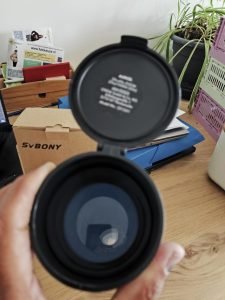
Lens capsprotect your binocular lenses from dust, scratches, and moisture when not in use. Lens shadesblock stray light from hitting the lenses, reducing glare and improving image quality. They are especially helpful in strong sunlight or bright outdoor conditions. Using shades can make your view sharper and easier to see.
Practice And Techniques
Testing your binoculars in different light helps find the best settings. Try using them at dawn, noon, and dusk. Notice how the brightness changes. Adjust the focus and zoom to see clearly.
Quick changes can improve your view fast. Use the brightness control or lens covers to reduce glare. Turn the zoom ring gently to sharpen details. Keep your hands steady.
- Check the image brightness before adjusting zoom.
- Use the diopter ring to fine-tune focus for each eye.
- Cover part of the lens to block extra light in bright spots.
- Keep binoculars steady to avoid blurry images.
- Practice adjusting zoom and focus quickly in the field.

Credit: www.foreseenoptics.com
Frequently Asked Questions
How Do I Adjust Brightness On Zoom Binoculars?
To adjust brightness, use the built-in iris or brightness control. This helps balance light entering the lenses for clear viewing. Adjust slowly in bright or low light to avoid glare or dimness, ensuring optimal image quality.
Can I Change Zoom Binoculars For Night Use?
Yes, some zoom binoculars have night mode or low-light settings. Use these to enhance visibility in darkness. Adjust the focus and aperture to gather more light, improving clarity during nighttime observations.
What Is The Best Zoom Level For Bright Conditions?
Lower zoom levels (around 6x to 8x) work best in bright conditions. They offer a wider field of view and reduce glare. Higher zoom can cause image dimming and shaking in strong sunlight.
How Do I Reduce Glare In Bright Light With Binoculars?
Use lens hoods or polarized lenses to reduce glare. Adjust the eyepiece and angle to minimize reflections. Cleaning the lenses regularly also helps maintain clear, glare-free images in bright light.
Conclusion
Adjusting zoom binoculars for light changes improves your viewing experience. Start by lowering brightness in bright conditions. Increase light intake in darker scenes. Use the focus and zoom controls carefully. Small tweaks make a big difference. Practice often to get comfortable with adjustments.
You will see clearer and sharper images every time. Enjoy nature or events with better clarity and comfort. Keep your binoculars clean for best results. Simple steps bring great improvements to your vision outdoors.