Have you ever wondered if night vision binoculars can work underwater? If you’re curious about exploring the depths after dark or want to enhance your nighttime water adventures, this question is key.
Using night vision gear beneath the surface isn’t as simple as it sounds, and knowing the truth can save you time and money. Keep reading to discover whether your night vision binoculars can handle the underwater world—and what you need to know before you dive in.
Night Vision Technology Basics
Night vision technologyhelps people see in the dark. It works by capturing tiny bits of light, like moonlight or starlight. Then, it makes this light brighter so your eyes can see better.
The devices use a special tube called an image intensifier. This tube changes weak light into a clear picture. You can see shapes, movement, and objects even in near total darkness.
| Type | Description | Use |
|---|---|---|
| Image Intensifier Devices | Amplify light to create visible images | Common for night viewing and hunting |
| Thermal Imaging Devices | Detect heat from objects and living things | Used in rescue, security, and wildlife spotting |
| Digital Night Vision | Use digital sensors and screens for viewing | Good for recording and close-range viewing |
Night Vision Binoculars Features
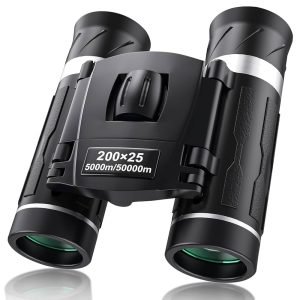
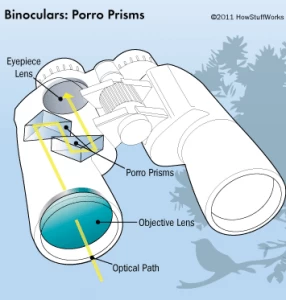
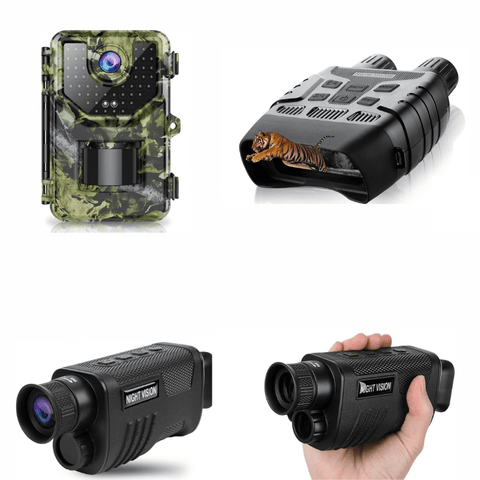
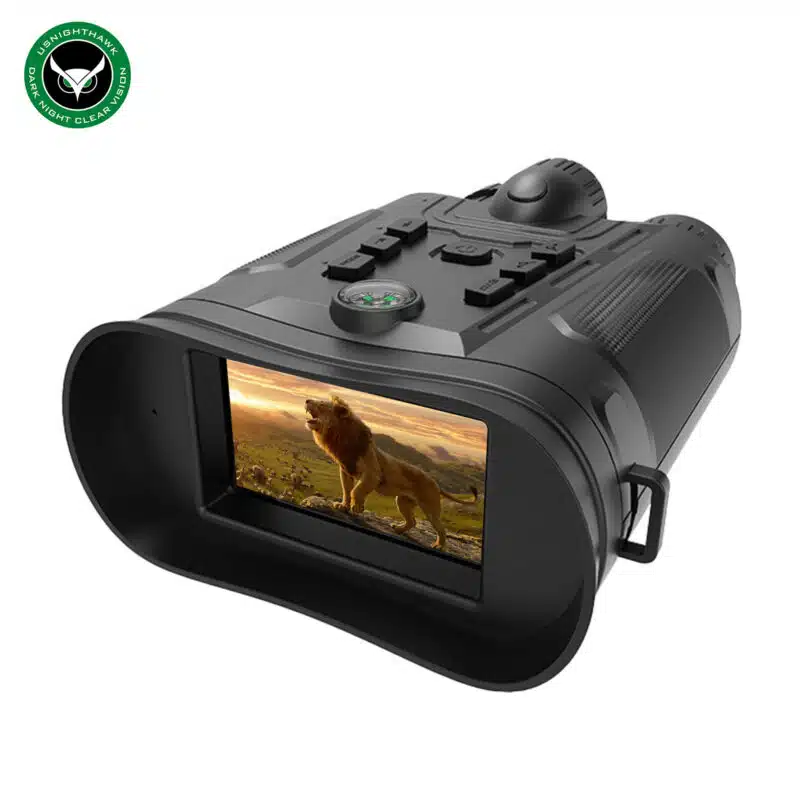
Night vision binocularsare built to help see in the dark. They use special lenses and sensors to capture light and make images visible. The design usually includes compact bodiesand comfortable grips for easy use at night. Some models come with adjustable focus and zoom features. Most night vision binoculars are not waterproof, so they cannot be used underwater.
Typical uses include:
- Wildlife observation at night
- Security and surveillance
- Hunting
- Nighttime navigation
Challenges Of Using Night Vision Underwater
Night vision binoculars face serious optical challenges underwater. Light behaves differently in water. It bends and scatters, making images blurry. The lenses in night vision devices are not designed for underwater use. This causes distortion and poor focus. Also, night vision works by amplifying light. Water absorbs much of the light, reducing the device’s effectiveness. The infrared light used by many night vision devices does not travel well underwater. This limits the device’s ability to produce a clear image.
Environmental factors add to the difficulty. Water often contains particles that scatter light. This creates a hazy view and lowers visibility. Water pressure at depth can damage the binoculars if they are not waterproof. Temperature changes underwater can also affect the device’s performance. Salty seawater can corrode parts not made for immersion. These factors make using night vision binoculars underwater quite challenging and often impractical.

Credit: www.amazon.com
Waterproof Night Vision Options
Night vision binoculars that work underwater need to be fully waterproofand pressure-resistant. Look for models with an IPX7 ratingor higher to ensure they can handle water depths and splashes. A strong rubber coatinghelps protect against shocks and water damage. Lightweight designs are best for easy handling during underwater use.
Important features include:
- Waterproof sealingto prevent water entry
- Anti-fog lensesfor clear vision underwater
- Good battery lifefor long night observation
- Infrared illuminationthat works in low light
- Durable buildfor rough conditions
| Model | Waterproof Rating | Infrared Range | Weight |
|---|---|---|---|
| Night Owl Pro | IPX7 | 200 meters | 1.2 lbs |
| ATN BinoX 4K | IP67 | 300 meters | 1.5 lbs |
| Bushnell Equinox Z2 | IPX6 | 180 meters | 1.3 lbs |
Tips For Using Night Vision Binoculars Underwater
Always check if your night vision binoculars are waterproofbefore use underwater. Avoid using devices not rated for water exposure. Use a protective caseto prevent water damage. Never dive deep beyond the binoculars’ pressure limit. Wear gloves to keep a firm grip on wet equipment.
To improve visibility underwater, try using a bright LED lightnear the binoculars. Clean lenses regularly to remove water spots and debris. Move slowly to reduce water disturbance and keep the image clear. Avoid murky or cloudy water for better vision quality.

Credit: freesoldier.com
Alternatives To Night Vision For Underwater Use
Night vision binoculars do not work underwater. They rely on light signals that water blocks. Underwater cameras are a better choice. These cameras can capture images in low light without problems.
Infrared lighting helps underwater cameras see in the dark. This light is safe and does not scare fish. It also works well in murky water.
| Alternative | How It Works | Benefits |
|---|---|---|
| Underwater Cameras | Use special lenses and sensors to capture images underwater | Clear pictures even in low light and dark conditions |
| Infrared Lighting | Emits invisible light to help cameras see in the dark | Does not disturb aquatic life and works in murky water |
Future Innovations In Night Vision Technology
Night vision technology is moving forward quickly. One key area is waterproofing. New designs make devices more resistant to water damage. This means night vision binoculars could work underwatersoon. Strong seals and special coatings help protect the electronics inside. Some models are being tested for use in rainy or wet places.
These advances open doors to new uses. For example, divers could explore dark underwater areas. Rescue teams might see better in murky water at night. Even fishermen could benefit from clearer views in low light.
| Advancements in Waterproofing | Potential New Applications |
|---|---|
| Stronger seals to block water | Underwater exploration by divers |
| Water-resistant coatings on lenses | Search and rescue in water |
| Improved electronic protection | Fishing in low-light conditions |
Credit: www.usnighthawk.com
Frequently Asked Questions
Can Night Vision Binoculars Work Underwater?
Night vision binoculars are not designed for underwater use. Water distorts infrared light, making night vision ineffective below the surface. Specialized underwater equipment like diving masks with built-in night vision is required for clear vision underwater.
Are Night Vision Binoculars Waterproof?
Most night vision binoculars are water-resistant but not fully waterproof. They can handle light rain or splashes but should not be submerged. Fully waterproof models are rare and often designed for specific outdoor activities.
What Equipment Is Needed For Underwater Night Vision?
Underwater night vision requires specialized devices like infrared diving masks or underwater cameras. These use different technology designed to work effectively in water. Regular night vision binoculars cannot replace these underwater tools.
Can Night Vision Binoculars Detect Underwater Creatures?
No, standard night vision binoculars cannot detect underwater creatures. Their infrared sensors do not penetrate water well. For underwater observation, sonar or specialized underwater cameras are more effective.
Conclusion
Night vision binoculars are not made for underwater use. Water blocks the infrared light these devices rely on. Using them underwater can damage the binoculars quickly. For underwater viewing, special waterproof or underwater night vision gear works best. Always choose tools designed for your activity.
This helps you see clearly and protects your equipment. Remember, not all binoculars fit all purposes. Think about where and how you want to use them before buying. Safe and smart choices give better results.