Winter is coming, and if you own image stabilized binoculars, you probably want to keep them safe and ready for your next adventure. But do you know the best way to store them during the cold months?
Improper storage can damage your binoculars, costing you money and ruining your viewing experience. In this guide, you’ll discover simple, effective steps to protect your gear from moisture, cold, and dust. Keep reading to learn how to make sure your binoculars stay in perfect condition until spring arrives.

Credit: www.ebay.com
Choosing The Right Storage Location
Storing image stabilized binoculars requires a safe and stable place. Indoor storage is usually betterthan outdoor. Outdoor places can have extreme coldand moisture, which may harm the binoculars.
Temperature control is very important. Avoid places that get too cold or too hot. A room with a steady temperatureis best. Rapid changes in temperature can cause fogging inside lenses.
- Keep binoculars away from direct sunlight.
- Do not store in damp or humid areas.
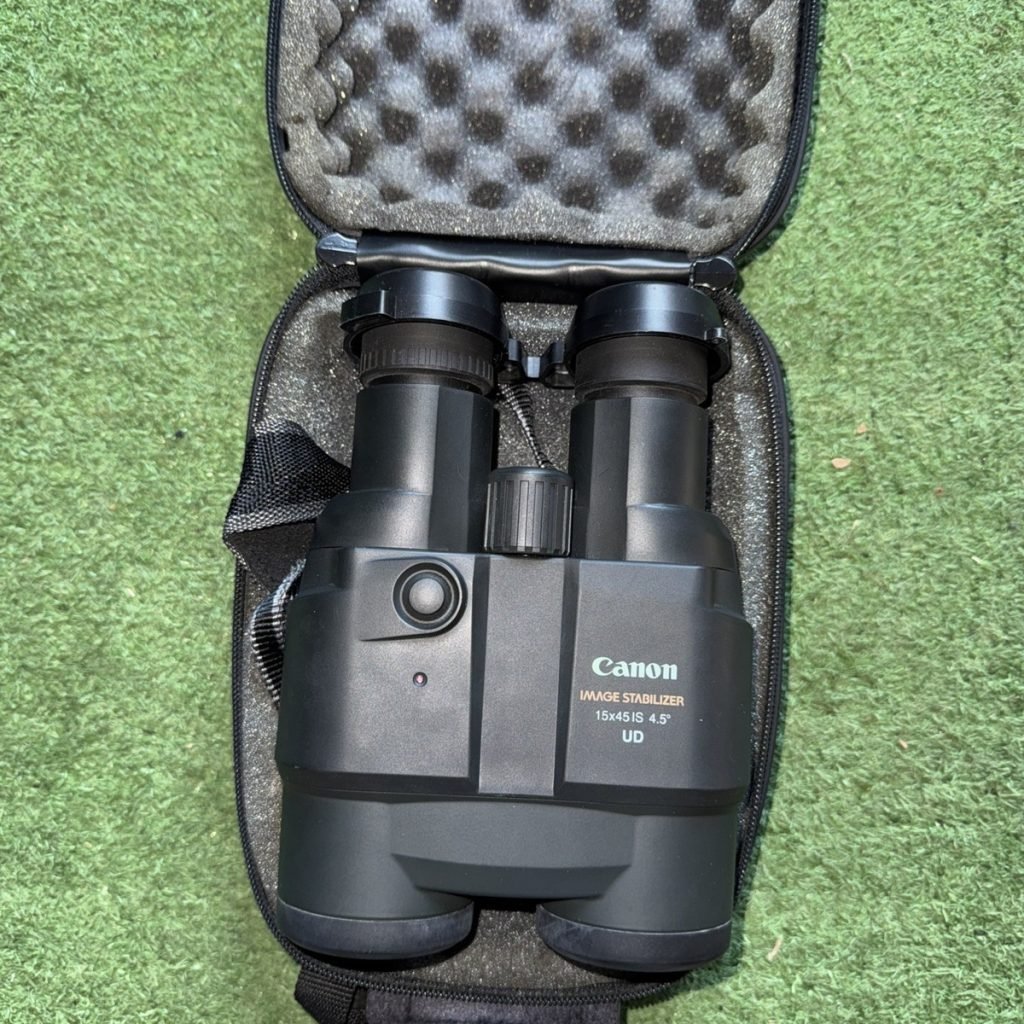
- Use a padded case for extra protection.
- Store in a dry, warm room if possible.

Credit: www.youtube.com
Preparing Binoculars For Storage
Before storing your image stabilized binoculars, clean them carefully. Use a soft cloth to wipe the lenses and body. Avoid harsh chemicals; water or lens cleaner works best. Make sure to remove any dirt or dust to prevent damage during winter storage.
Check the binoculars for moisture. Dry them completely to avoid mold or rust. Store them in a dry, cool place away from direct sunlight.
- Remove batteriesto prevent leakage and corrosion.
- Store batteries separately in a safe, dry place.
- Check battery compartments for any dirt or moisture and clean if needed.
Protecting Against Moisture
Using desiccantshelps keep binoculars dry. These small packets absorb moisture inside the storage box. Silica gel is a popular choice. Place a few packets around the binoculars to stop mold and rust.
Moisture-proof containersare essential for winter storage. Plastic or metal boxes with tight seals work best. They keep water and humidity out. Store binoculars inside with desiccants for extra protection.
- Use silica gel or clay desiccants
- Check desiccants regularly and replace if wet
- Choose containers with airtight seals
- Avoid cardboard boxes as they absorb moisture
- Keep containers in a cool, dry place

Credit: www.red-dot.org
Avoiding Physical Damage
Always use a sturdy case to protect your binoculars. Wrap them in a soft cloth or bubble wrap. This prevents scratches and dents. Avoid using thin or weak packaging materials.
Store the binoculars in a dry place away from direct sunlight. Keep them on a shelf or inside a cabinet. Avoid placing them on the floor or near heavy objects that could fall.
| Packaging | Placement |
|---|---|
| Soft cloth or bubble wrap | Dry, cool area |
| Sturdy storage case | Avoid direct sunlight |
| Seal to prevent dust | Keep off floor and away from heavy items |
Maintaining Image Stabilization Features
Check the image stabilizationsystem regularly to ensure it works well. Test the binoculars by gently shaking them and watching for any wobble. Keep them powered on for a short time to verify smooth operation. This helps spot problems early.
Keep the firmware updated. Updates fix bugs and improve performance. Visit the manufacturer’s website or use their app to check for new versions. Follow instructions carefully to avoid errors during update. Staying updated helps maintain the best stabilization.
Periodic Inspection And Care
Regularly check your binoculars for signs of wearsuch as scratches, loose parts, or dirt. These issues can affect the image qualityand the performance of the stabilizer. Clean the lenses gently with a soft cloth to avoid damage. Look carefully at the rubber grips and seals for any cracks or peeling.
Professional servicing is important to keep your binoculars working well. Experts can clean internal partsand fix any mechanical problems. They also check the stabilization systemto ensure it works smoothly. Getting a yearly check-up helps extend the life of your binoculars and keeps the images clear.
Frequently Asked Questions
How Should I Clean Image Stabilized Binoculars Before Winter?
Clean lenses with a microfiber cloth and lens cleaner. Remove dust and moisture to prevent damage. Avoid harsh chemicals that can harm coatings.
What Is The Best Storage Environment For Winter?
Store binoculars in a cool, dry place with stable temperature. Avoid damp areas to prevent mold and corrosion. Use a protective case for extra safety.
Should I Remove Batteries From Binoculars During Storage?
Yes, remove batteries to prevent leakage and corrosion. Store batteries separately in a cool, dry place. This prolongs battery life and protects binoculars.
How Can I Protect Binoculars From Moisture In Winter?
Use silica gel packets in the storage case to absorb moisture. Keep binoculars in a sealed, waterproof bag or case. Regularly check for any signs of dampness.
Conclusion
Storing image stabilized binoculars correctly protects them during winter. Keep them dry and clean before storage. Use a soft case or pouch to avoid scratches. Store in a cool, dry place away from direct sunlight. Check them regularly to prevent mold or damage.
Proper care ensures your binoculars work well next season. Simple steps can extend their life and performance. Take time now to protect your valuable gear. Ready for your next outdoor adventure with clear, stable views.