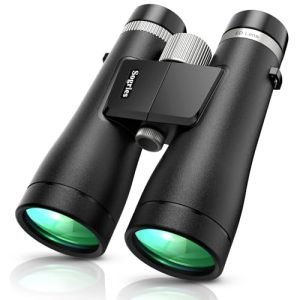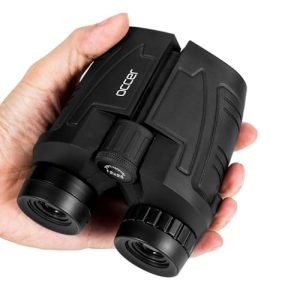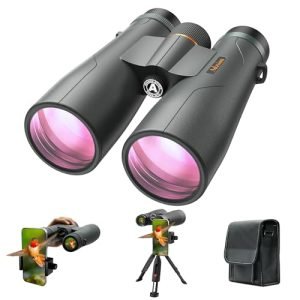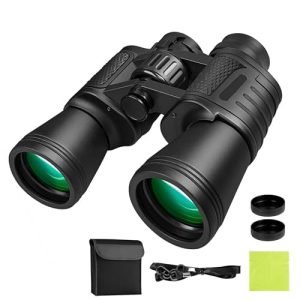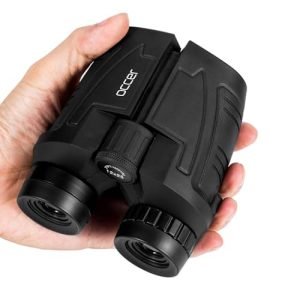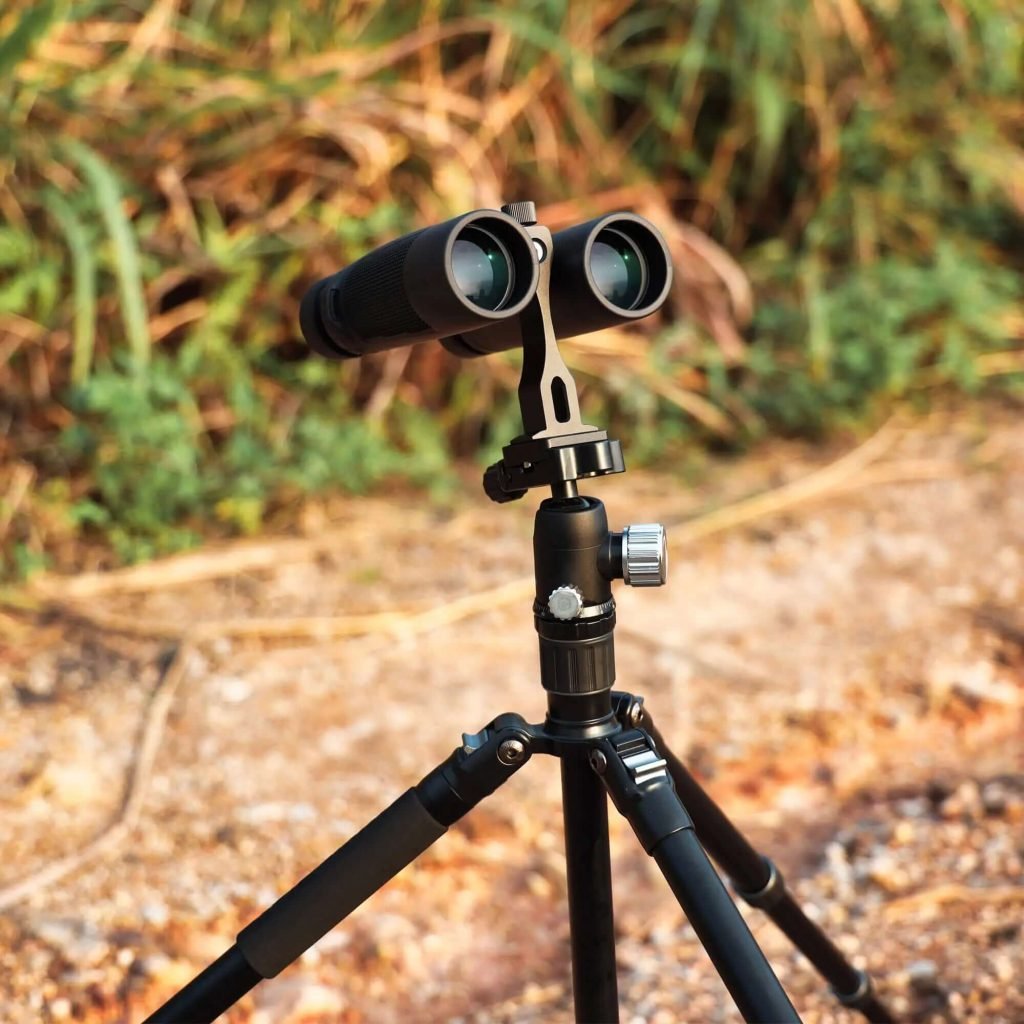
If you’ve ever struggled with holding binoculars steady for a long time, you know how frustrating it can be. Tripod compatible binoculars offer a perfect solution, but only if you carry and use them the right way.
You want to enjoy clear, sharp views without feeling weighed down or awkward. You’ll discover simple, effective tips to carry your tripod compatible binoculars comfortably and safely. Keep reading to learn how to protect your gear and make every outdoor adventure more enjoyable.
Credit: www.facebook.com
Choosing The Right Binoculars
Choosing binoculars that fit a tripod is very important for clear views. The size and weightshould match the tripod’s capacity. Look for models with a tripod adapteror a threaded socket. This ensures easy attachment to most tripods.
Other features to consider include magnification power, lens diameter, and field of view. High magnification needs stable support, so a tripod is helpful. Waterproof and fog-proof designs add durability for outdoor use.
Compatibility is key. Using binoculars not meant for tripods can cause balance problemsand image shake. Always check if the binoculars have a standard 1/4-inch screw holeor come with an adapter. This prevents frustration and protects your gear.

Credit: www.instagram.com
Understanding Tripod Compatibility
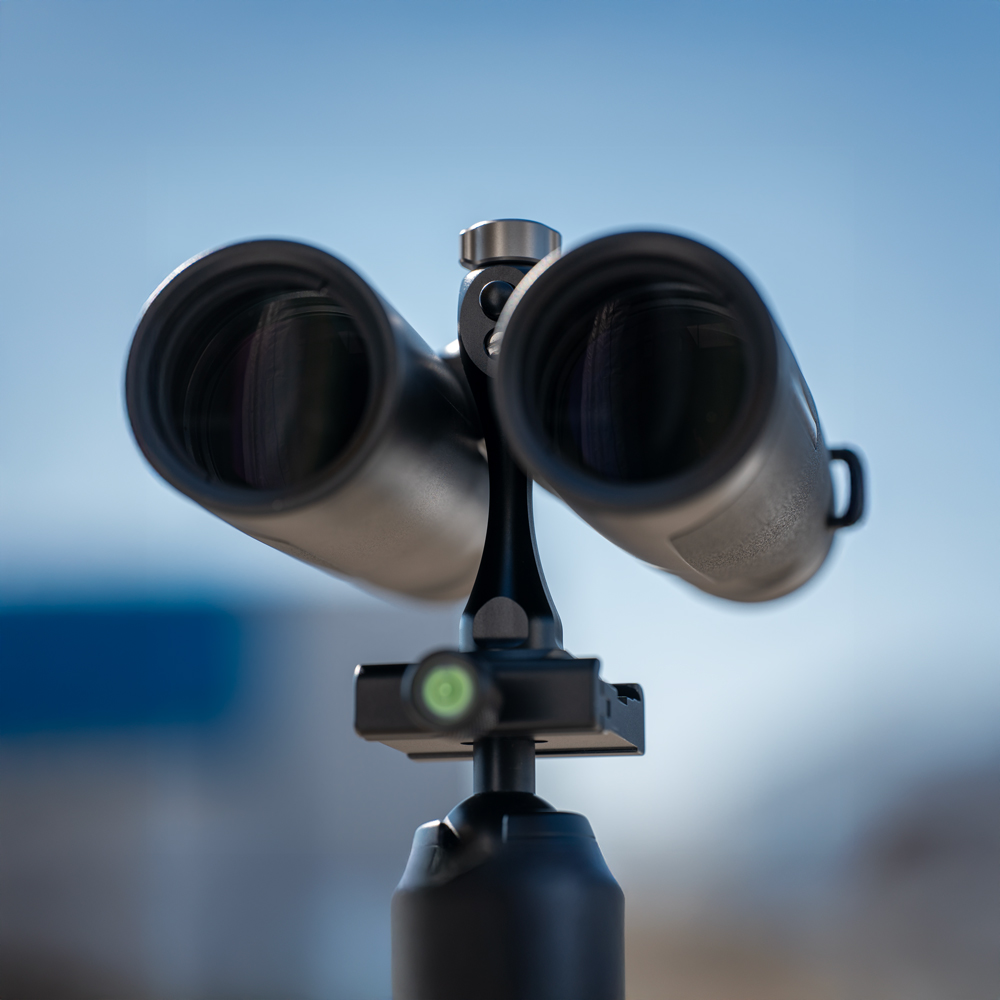
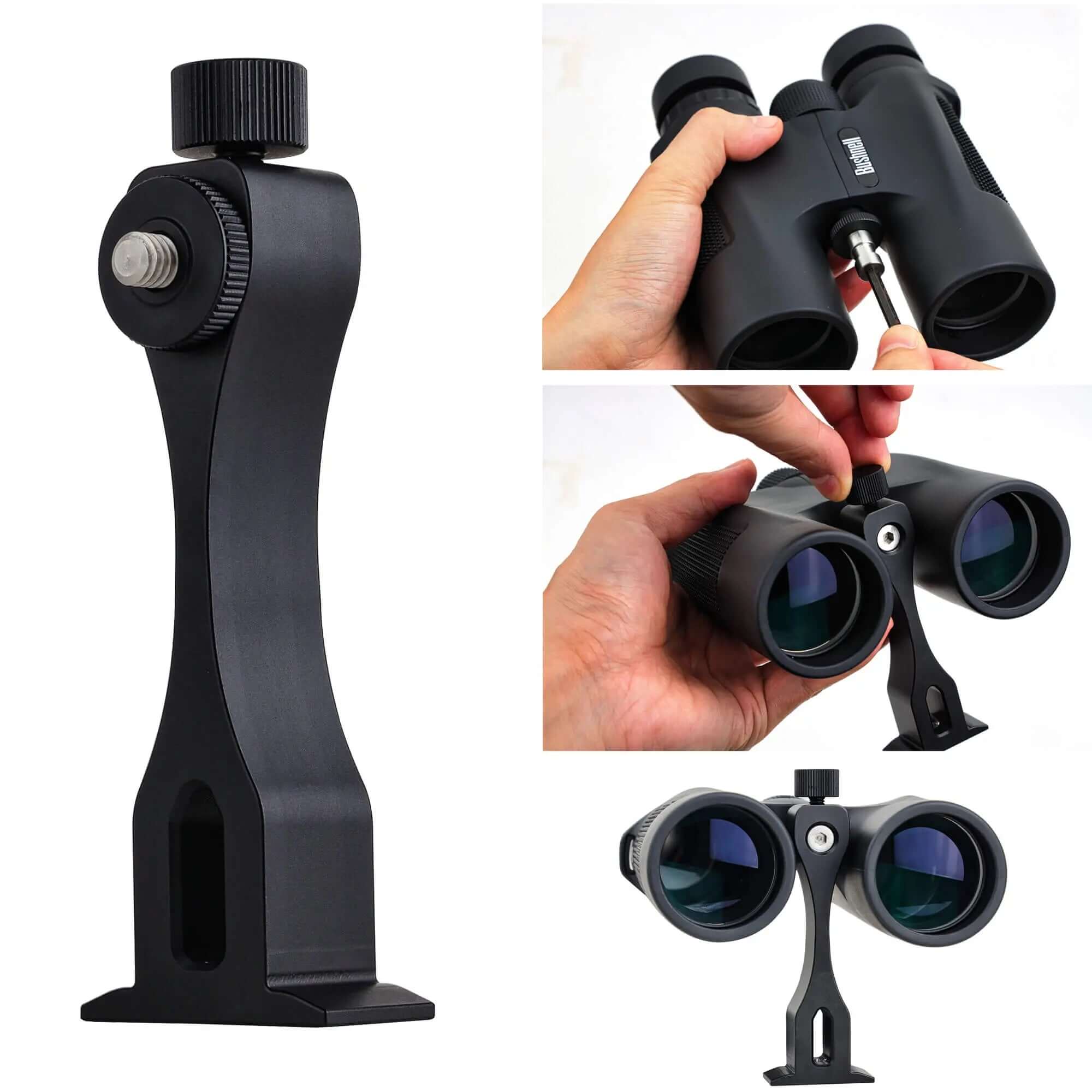
Tripod compatibility means binoculars can attach to a tripod easily. Most binoculars have a tripod adapter or a place to add one. This helps hold the binoculars steady for clear views. Not all binoculars fit every tripod. Check the size and type of the adapter before buying.
| Adapter Type | Description | Best For |
|---|---|---|
| Standard Screw Adapter | A small threaded hole on binoculars to fit tripod screws. | Most common binoculars |
| Bracket Adapter | Clips around binoculars and connects to tripod. | Binoculars without a screw hole |
| Custom Adapter | Made for specific binocular models. | High-end or unique binoculars |
- Steady viewing:Reduces shaking and blurring.
- Less tired:Hold binoculars without arm strain.
- Better focus:Easier to see distant or small objects.
- Long viewing sessions:More comfort over time.
Carrying Techniques
Using straps and harnesseshelps carry binoculars comfortably. Straps let you hang binoculars around your neck or shoulder. This keeps your hands free and binoculars ready to use. Harnesses spread the weight across your shoulders. This reduces neck strain and keeps binoculars secure during long walks.
A dedicated bagoffers extra protection. It keeps binoculars safe from dust, rain, and bumps. Many bags have padded compartments to hold binoculars firmly. They also have pockets for small accessories like lens cloths or maps. Bags with adjustable straps make carrying easier on your back or side.
Securing Your Equipment
Keep your binoculars safe by using a sturdy case. A hard case protects against bumps and drops. Soft cases guard against scratches but offer less impact protection.
Use padded straps to carry your binoculars comfortably. This reduces strain on your neck and shoulders. Avoid hanging binoculars by the lenses to prevent damage.
Store binoculars in a dry place. Moisture can cause fogging and mold inside the lenses. Use silica gel packs in the case to absorb moisture.
- Secure tripod firmly to avoid wobbling during use.
- Lock all moving parts before transport.
- Wrap the tripod legs to prevent scratches.
- Carry binoculars and tripod separately if possible.
- Check all attachments and screws before each trip.
Travel-friendly Tips
Choose a sturdy, padded bag for your tripod compatible binoculars. This protects them during travel. Pack the tripod and binoculars separately but close together. Use soft cloth or foam to avoid scratches. Keep the bag light and easy to carry.
For air travel, check airline rules about carrying binoculars and tripods. Most airlines allow them in carry-on bags, but some may ask you to pack tripods in checked luggage. Always carry binoculars in your hand luggage to protect them from damage.
- Wrap tripod legs with a soft cloth to stop scratches.
- Use a small case or pouch for binocular lenses.
- Keep all parts organized to avoid losing anything.
- Label your bag with your contact details.
Maintenance And Care
Keep the lenses clean by gently wiping with a soft cloth. Avoid using rough materials to prevent scratches. Store binoculars in a dry, dust-free case to protect them from damage.
Check the binoculars often for loose parts or damage. Tighten screws and adjust focus knobs if needed. Look for any signs of wear or cracks on the tripod mount.
| Cleaning | Storage | Inspection |
|---|---|---|
| Use a soft cloth only | Keep in a dry case | Check for loose screws |
| Remove dust gently | Avoid direct sunlight | Look for cracks or damage |
| Do not use harsh cleaners | Store away from moisture | Test tripod mount stability |
Credit: powrig.com
Frequently Asked Questions
How Do I Carry Tripod Compatible Binoculars Comfortably?
Use a sturdy carrying case or backpack with padded compartments. Secure the binoculars to avoid movement. Use adjustable straps for even weight distribution. This prevents strain and protects your binoculars during travel.
Can I Attach Tripod Compatible Binoculars Directly To A Tripod?
Yes, most tripod compatible binoculars have a threaded socket. Attach them securely using the tripod’s mounting plate. This provides stable viewing and reduces hand fatigue during extended use.
What Are The Best Straps For Tripod Compatible Binoculars?
Choose wide, padded straps for comfort and durability. Look for adjustable, quick-release options for easy handling. Neoprene or leather straps offer good grip and reduce neck strain.
Is It Safe To Carry Binoculars In A Backpack?
Yes, if the backpack has a padded, dedicated compartment. This protects your binoculars from shocks and scratches. Avoid placing heavy items on top to prevent damage.
Conclusion
Carrying tripod compatible binoculars is simple with the right tools. Use a sturdy tripod for steady views. Secure the binoculars properly to avoid slips. Carry them in a comfortable bag or case. Keep the setup balanced to reduce strain. Adjust straps to fit your body well.
This way, you enjoy clear sights without hassle. Practice carrying to find what feels best. Enjoy your outdoor adventures with ease and comfort.