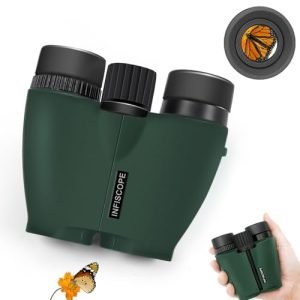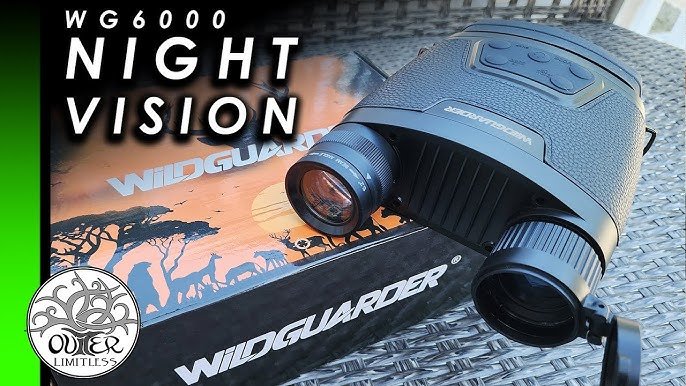
Have you ever struggled to see clearly through your night vision binoculars because of annoying glare? It can be frustrating when that bright reflection blocks your view just when you need it most.
But what if you could easily reduce or even avoid glare altogether? You’ll discover simple and effective tips to improve your night vision experience. Keep reading, and you’ll learn how to make your binoculars work better for you, so you never miss a moment in the dark again.
Understanding Night Vision Technology
Night vision technology helps you see in very low light. It works by collecting tiny light particles and making them brighter. This lets you see things at night that are hard to spot with your eyes alone.
There are three main typesof night vision devices:
- Image Intensifier:Amplifies available light to create a clear picture.
- Infrared Illumination:Uses invisible light to brighten dark areas.
- Thermal Imaging:Detects heat from objects and shows it as an image.
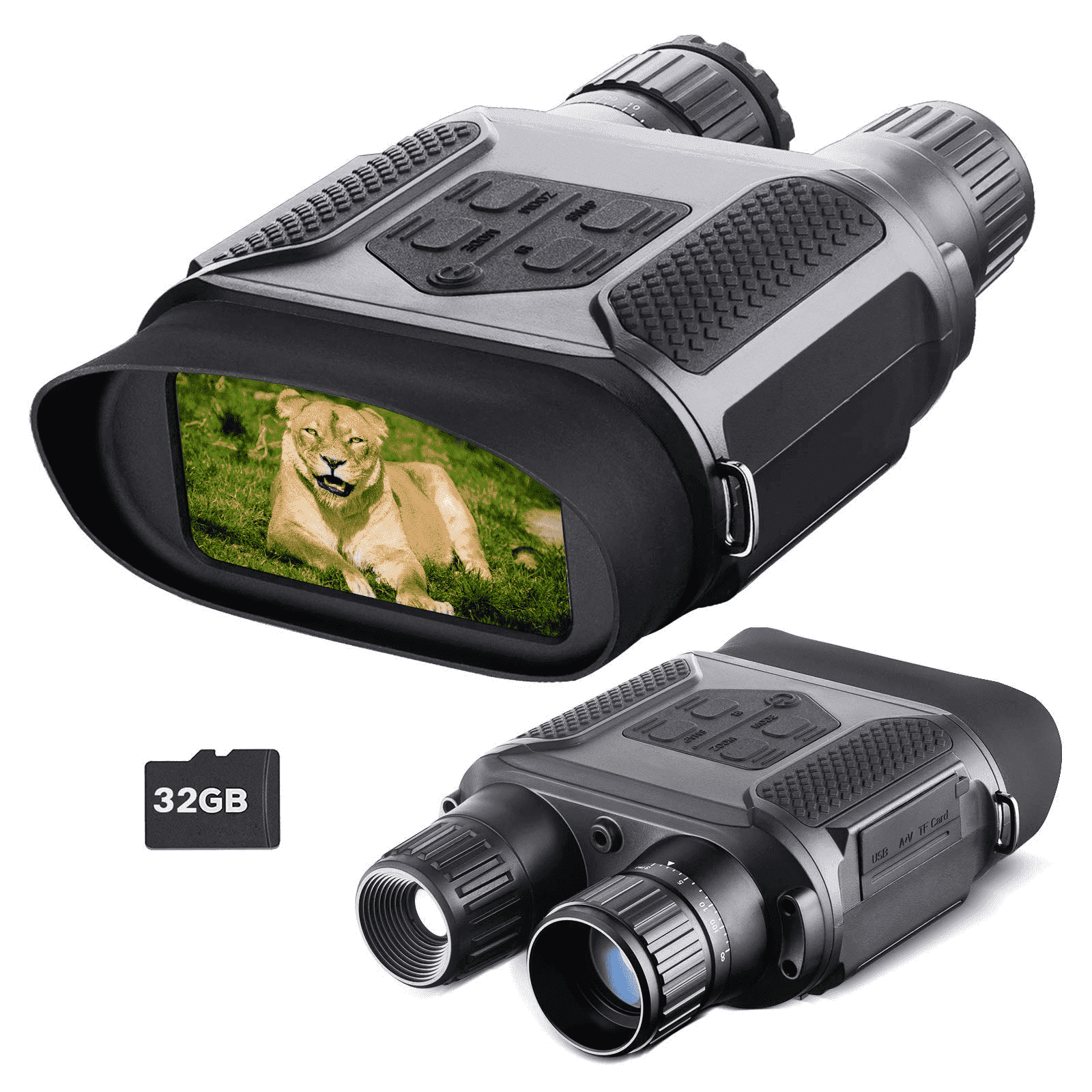
Credit: www.walmart.com
Causes Of Glare In Night Vision
Glare in night vision binoculars often comes from bright lights or reflections nearby. Dirt or scratches on lenses can also cause unwanted glare. Adjusting the angle and keeping lenses clean helps reduce these issues.
Internal Reflections
Internal reflectionshappen when light bounces inside the binocular lenses. This causes bright spots or haze on the view. Dust, scratches, or dirt inside the lenses can make this worse. Good quality lenses with anti-reflective coating help reduce this problem.
External Light Sources
Glare can also come from bright lights outsidethe binoculars. Street lamps, car headlights, and moonlight often cause glare. These lights enter the device and reflect back, making it hard to see clearly. Using lens hoods or shielding your eyes can help block these lights.
Choosing The Right Binoculars
High-quality lensesreduce glare by allowing more light to pass through clearly. Look for binoculars with multi-coated lensesto cut down reflections. These coatings help improve image brightness and contrast.
Choosing the right magnificationis important. Too high magnification can make glare worse by amplifying light sources. A moderate magnification, like 4x to 6x, works well for night vision. It balances clear viewand less glare.

Credit: currently.att.yahoo.com
Proper Usage Techniques
Adjust the eye reliefto match your eyes’ distance from the eyepiece. This helps reduce glareand gives a clearer view. Too much or too little eye relief causes unwanted light to enter.
Use the eyecupsproperly. Fold them outor keep them in based on your comfort and whether you wear glasses. Proper eyecup use blocks side light, cutting down glare.
- Adjust eye relief slowly until glare disappears.
- Fold eyecups fully out if not wearing glasses.
- Keep eyecups down when wearing glasses.
- Hold binoculars steady to avoid shifting light angles.
Environmental Factors
Managing ambient light is key to reduce glarein night vision binoculars. Bright lights from street lamps or car headlights can cause unwanted reflections. Using binoculars with an adjustable brightness settinghelps control this issue.
Weather conditions also affect glare. Fog, rain, and mistscatter light, creating a hazy view. This makes it harder to see through night vision devices. Clear nights provide the best visibility.
To minimize glare, avoid pointing binoculars directly at bright light sources. Position yourself where light comes from behind or the side. This reduces the chance of light bouncing into the lenses.

Credit: www.youtube.com
Maintenance And Care
Keep lenses clean to avoid glare. Use a soft cloth or lens brush. Never use rough materials that can scratch lenses.
Store binoculars in a dry, cool place. Avoid direct sunlight and dust. Use a case to protect them from damage.
| Calibration Task | Why It Matters | Frequency |
|---|---|---|
| Check focus alignment | Ensures clear images and reduces glare | Every 3 months |
| Adjust brightness settings | Prevents overexposure and glare | Monthly or as needed |
| Inspect lens coatings | Maintains anti-glare properties | Every 6 months |
Expert Recommendations
Choosing the right night vision binoculars helps reduce glare. Look for models with anti-reflective coatingson lenses. These coatings cut down light reflections that cause glare. Using adjustable brightness settingsalso helps control glare.
Keep lenses clean and free from dust or smudges. Dirty lenses increase glare and reduce image clarity. Holding binoculars steady avoids blurry images which worsen glare effects.
Top Brands For Night Vision Binoculars
| Brand | Key Feature | Price Range |
|---|---|---|
| Night Owl | Clear images, low glare | $$ |
| Bushnell | Anti-reflective lenses | $$$ |
| Pulsar | Adjustable brightness | $$$ |
| ATN | Compact, glare-resistant | $$$ |
User Reviews And Testimonials
- “The anti-glare feature on my binoculars works great.”
- “Brightness controls help me see clearly without glare.”
- “Lens coatings really reduce annoying reflections.”
- “Easy to use and no glare even in bright areas.”
Frequently Asked Questions
How Can I Reduce Glare In Night Vision Binoculars?
To reduce glare, use anti-reflective lens coatings and adjust the device’s brightness settings. Avoid direct light sources. Position yourself to minimize light reflections. Using lens hoods or shields can also help block unwanted light and improve image clarity.
Why Do Night Vision Binoculars Experience Glare?
Glare occurs when strong light sources reflect off lenses or internal surfaces. This reflection causes unwanted brightness, reducing image quality. It often happens near streetlights, headlights, or moonlight. Proper device handling and settings can minimize this effect.
What Settings Help Prevent Glare In Night Vision Binoculars?
Lowering the brightness and contrast settings helps prevent glare. Many models include automatic gain control to adjust light sensitivity. Using manual controls allows you to optimize image clarity. Always refer to the user manual for specific anti-glare features.
Are Lens Coatings Important To Avoid Glare?
Yes, lens coatings reduce reflections and improve light transmission. Anti-reflective coatings minimize glare and enhance image contrast. Quality coatings are essential for clear night vision performance, especially in bright or mixed lighting conditions.
Conclusion
Avoiding glare in night vision binoculars improves your viewing experience. Clean lenses regularly to keep images clear. Use lens hoods or shields to block unwanted light. Adjust brightness settings to suit your environment. Choose binoculars with anti-glare coatings for better performance.
Small changes make a big difference at night. Stay patient and practice using your equipment often. Clear, glare-free vision helps you see more details. Enjoy your night adventures with better, sharper views.