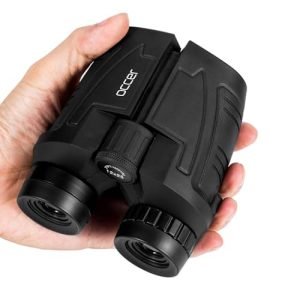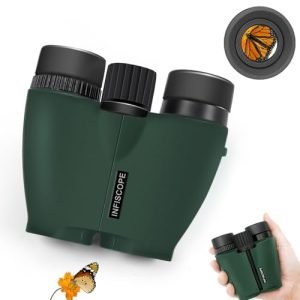
Have you ever tried to look closely at a tiny bird or a delicate flower through your binoculars, only to find that it’s still blurry? If you’ve wondered how close your close-focus binoculars can really focus, you’re not alone.
Understanding the minimum focus distance can change the way you use your binoculars and help you see the world in sharper detail. Keep reading to discover what affects close-focus distance and how to choose the right binoculars to bring those nearby wonders into clear view.

Credit: www.facebook.com
Understanding Close-focus Binoculars
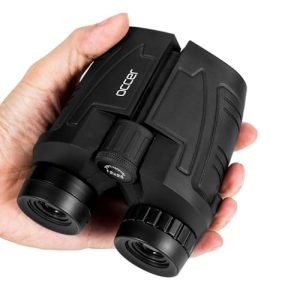
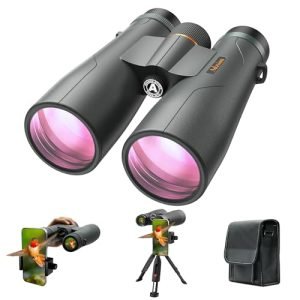
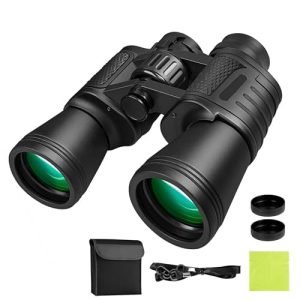
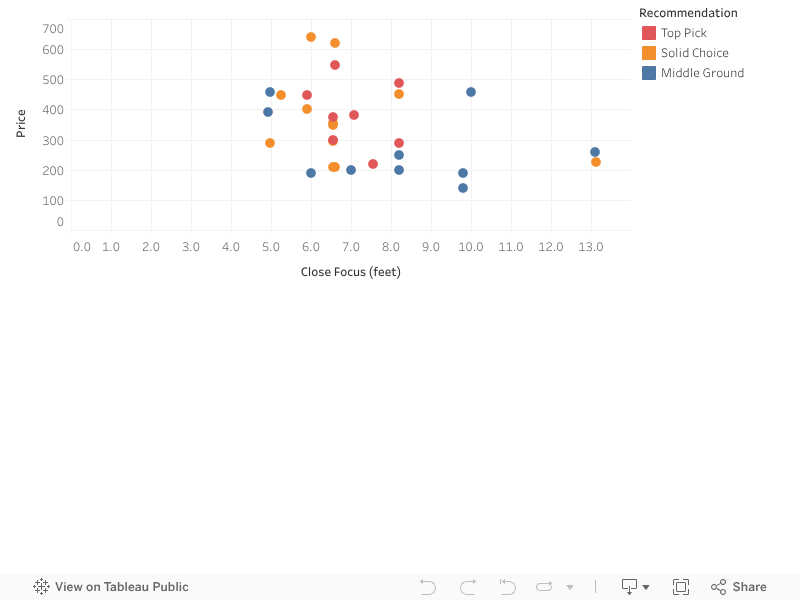
Close-focus binocularscan focus on objects very near to you. This distance is called the close focus distance. It usually ranges from about 6 to 20 feet (2 to 6 meters). The smaller the number, the closer you can see clearly.
Close-focus binoculars are great for watching things like butterflies, flowers, or small birds up close. They help you see tiny details that regular binoculars cannot.
Most binoculars have a close focus distance around 10-15 feet. Special models can focus even closer, sometimes under 6 feet.
| Binocular Type | Close Focus Distance | Best For |
|---|---|---|
| Standard | 10-15 feet (3-5 meters) | Birdwatching, sports |
| Close-focus | 6-10 feet (2-3 meters) | Insects, flowers, nearby objects |
| Ultra close-focus | Under 6 feet (under 2 meters) | Extreme close-up viewing |
Credit: www.teamduval.org
Mechanics Of Focus
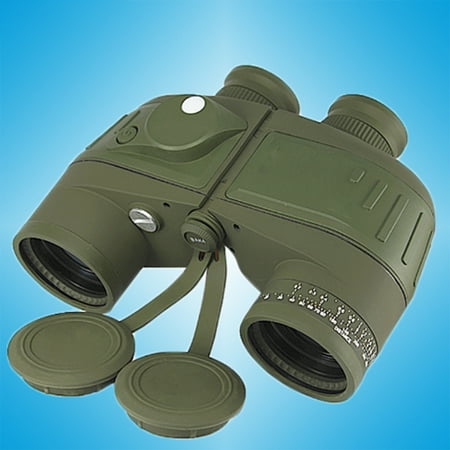
Close-focus binoculars use special lens configurationsto focus on objects very near. The lenses inside can move independently or together to adjust the focus.
The focus mechanismchanges the distance between lenses. This helps the binoculars show clear images of objects close by. Some binoculars use a central focus wheel, while others have individual eyepiece adjustments.
- Lens groups shift to focus on near objects.
- Focus wheel moves lenses smoothly.
- Eyepiece focus allows fine tuning.
- Close-focus distance can be just a few feet.
Factors Affecting Close Focus
The lens qualityaffects how close binoculars can focus. Better lenses show sharper images at short distances. Poor lenses may blur nearby objects.
Prism typealso matters. Roof prisms are compact but may have a longer close focus distance. Porro prisms often allow closer focusing but are bulkier.
Magnification powerimpacts close focus too. Lower magnification usually means you can focus closer. Higher magnification may increase the minimum focus distance.
| Factor | Effect on Close Focus |
|---|---|
| Lens Quality | Sharper images at close range with high-quality lenses |
| Prism Type | Porro prisms often allow closer focus than roof prisms |
| Magnification Power | Lower magnification allows closer focusing distances |
Comparing Different Brands
Different brands offer close-focus binocularswith varied minimum focus distances. These distances usually range from 1.5 metersto 3 meters. Some popular models focus as close as 1.2 meters, ideal for birdwatching or insect observation.
| Brand | Model | Minimum Focus Distance | Magnification | Field Use |
|---|---|---|---|---|
| Nikon | Prostaff 3S | 1.5 meters | 8×42 | General nature |
| Vortex | Diamondback | 2 meters | 10×42 | Birdwatching |
| Zeiss | Conquest HD | 1.2 meters | 8×42 | Close wildlife |
| Bushnell | Legend Ultra HD | 3 meters | 10×42 | General use |
Performance varies by brand and model. Closer focusmeans sharper images of nearby objects. Magnification affects how clear details appear at close range. Some models balance magnification and close focus well.
Choosing binoculars depends on what you want to see up close. Lower minimum focussuits detailed observation. Higher magnification may reduce sharpness at very close distances. Think about your main uses before deciding.
Applications Of Close-focus Binoculars
Close-focus binoculars let you see objects very near clearly. They are great for bird watching. You can spot small details like feathers and colors without scaring birds away.
These binoculars also help in butterfly observation. You can watch butterflies closely to see their wings and patterns. It makes studying insects easier and more fun.
For outdoor adventures, close-focus binoculars are handy. They allow you to view plants, insects, and small animals up close. This is useful for hikers and nature lovers who want to explore details nearby.
Testing The Limits
Close-focus binoculars let users see objects very near. The focus distance often ranges from 6 to 10 feet. This lets you observe details like leaves or insects clearly.
Testing binoculars involves holding them steady and slowly moving closer to the object. Focus rings adjust sharpness. Some models focus as close as 2 meters (about 6.5 feet), others need a bit more distance.
- Users say close focus is great for bird watching.
- Gardeners find it helpful for plant details.
- Some models struggle to focus below 6 feet.
- Weight and size can affect ease of use.
Practical tests show that steady hands and proper adjustmentimprove clarity at close range. User experiences highlight the importance of trying binoculars before buying.
Innovations In Close-focus Technology
Close-focus binoculars have seen many improvementsin recent years. Optical designers now use new lens materials and coatings. These help reduce blur and improve clarity at very short distances.
One key development is the use of aspherical lenses. These lenses allow users to focus as close as 1.5 meters or even less. This is great for nature lovers who want to see insects and flowers clearly.
- Better lens coatings reduce glare and increase brightness.
- Advanced focusing mechanisms allow easier and quicker adjustments.
- Compact designs make binoculars lighter and easier to carry.
Future trends point to even closer focus abilities. Some models may focus under one meter soon. Innovations in digital optics could also add new features like zoom and image stabilization.

Credit: www.instagram.com
Frequently Asked Questions
How Close Can Close-focus Binoculars Focus?
Close-focus binoculars can focus as near as 6 to 10 feet. This allows detailed viewing of nearby objects. Standard binoculars usually focus no closer than 15 to 20 feet.
Why Is Close Focus Important In Binoculars?
Close focus lets users see fine details of nearby subjects. It’s essential for bird watching, nature observation, and sports events. It enhances versatility and overall viewing experience.
What Affects The Close Focus Distance?
Lens design, magnification, and optical quality impact close focus distance. Higher quality optics generally allow closer focusing. Adjustments in lens alignment also contribute.
Are Close-focus Binoculars Good For Macro Viewing?
Yes, close-focus binoculars are excellent for macro viewing. They reveal intricate details of insects, flowers, and other close objects. This makes them popular for nature enthusiasts.
Conclusion
Close-focus binoculars let you see objects very near. Most models focus from about 6 to 10 feet away. This helps when observing small details up close. Choosing the right binoculars depends on your needs. Think about how close you want to see clearly.
Remember, not all binoculars offer the same close focus range. Knowing this helps you pick the best pair for your activities. Enjoy sharper views whether you watch birds, insects, or nature. Close focus adds a new level of detail to your experience.