Have you ever struggled to see tiny details of birds, insects, or plants while exploring nature? Close-focus binoculars can change the way you observe the world around you.
They bring you closer to those small wonders without disturbing them. You will learn simple and effective ways to use close-focus binoculars to get clearer, sharper views of nature’s hidden gems. Keep reading, and soon you’ll enjoy nature observation like never before.
Choosing The Right Binoculars
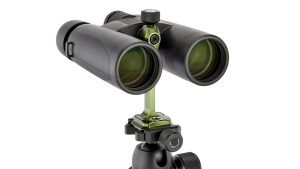
Close-focus binocularshelp you see objects very near, often within a few feet. This is useful for observing flowers, insects, or birds perched nearby. The close-focus distancetells you how close you can get while still seeing a sharp image. Choose binoculars with a short close-focus distance for better detail up close.
Good binoculars balance magnificationand field of view. Higher magnification shows more detail but narrows the view. A wide field of view helps track moving animals and scan wide areas. Look for models labeled with numbers like 8×42 or 10×42, where 8x or 10x is magnification and 42mm is lens size.
| Model | Close-Focus Distance | Magnification | Field of View |
|---|---|---|---|
| Nikon Monarch 5 | 6.5 ft | 8x | 420 ft @ 1000 yd |
| Celestron Nature DX | 6.5 ft | 8x | 420 ft @ 1000 yd |
| Vortex Diamondback | 6 ft | 8x | 393 ft @ 1000 yd |

Credit: donnallong.com
Mastering Binocular Setup
Adjusting the diopter helps match the binoculars to your eyes. First, close your right eye and look through the left lens. Turn the central focus wheel until the image is sharp. Then, close your left eye and open your right eye. Rotate the diopter ring near the right eyepiece until the image is clear. This step balances vision between both eyes.
Setting the focus is easy once the diopter is adjusted. Look at an object close to you, about 6 to 10 feet away. Use the central focus wheel to make the object sharp. This focus works for both eyes together. Remember to keep both eyes open for the best view.
Techniques For Nature Observation
Spotting birds and small wildliferequires patience and a steady hand. Use close-focus binoculars to see creatures up close without scaring them away. Choose a quiet spot near trees or bushes where animals often gather. Move slowly and avoid sudden noises. Focus on colors and movements to spot hidden animals. Adjust the binoculars to get a sharp image quickly. Staying still helps animals feel safe and come closer.
Observing plants and insectsis easier with close-focus binoculars because they show fine details. Look for different leaf shapes, flower colors, and insect patterns. Watch how insects move on plants. This helps learn about their behavior and role in nature. Use binoculars to see small insects like butterflies and ants clearly. Keep the binoculars steady to avoid blurry images. Enjoy the tiny world that often goes unnoticed.

Credit: www.amazon.com
Improving Observation Skills
Close-focus binoculars help you see small details up close. Enhancing field visionmeans training your eyes to spot movement and colors quickly. Try to scan the area slowly. Notice shapes and shadows around you. This practice builds your observation skillsand helps you find animals or plants easily.
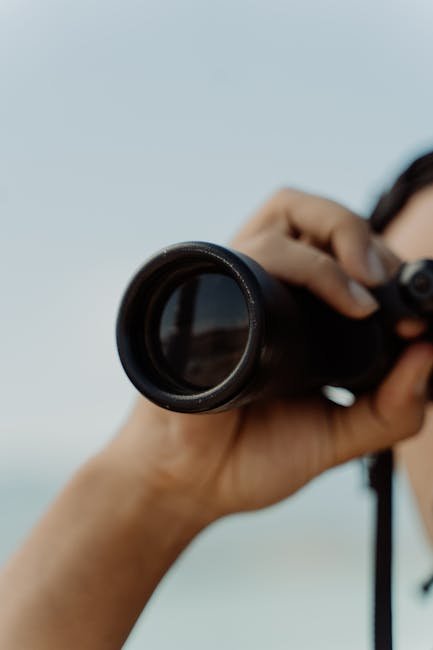
Holding binoculars steady is key. Use both hands and keep your elbows close to your body. Rest your arms on a tree or rock to reduce shaking. Breathing slowly also helps keep your hands steady.
- Stand still and breathe evenly
- Hold binoculars firmly with both hands
- Use natural supports like trees or walls
- Practice focusing on close objects first
Maintaining Your Binoculars
Keep your binoculars clean and safe for the best view. Use a soft cloth or lens brush to remove dust. Avoid using your shirt or rough materials. Use lens cleaner made for optics only. Never touch the lenses with your fingers. Store binoculars in a dry, cool place. Keep them in a protective case to avoid scratches and damage. Avoid leaving them in direct sunlight or hot places. Check for dirt or moisture often and clean gently. Proper care helps your binoculars last longer and work well.
| Storage Tips | Why It Matters |
|---|---|
| Use a hard case | Protects from drops and bumps |
| Keep dry | Prevents mold and damage |
| Avoid heat and sunlight | Prevents warping and fading |
| Store in a safe place | Stops loss or theft |

Credit: www.popsci.com
Frequently Asked Questions
What Are Close-focus Binoculars?
Close-focus binoculars allow you to see objects clearly at very short distances. They are ideal for observing insects, flowers, and small animals nearby.
How To Adjust Close-focus Binoculars Properly?
To adjust, first set the interpupillary distance to match your eyes. Then, focus on a close object using the central focus wheel until the image is sharp.
Can Close-focus Binoculars Improve Nature Observation?
Yes, they enhance detail visibility of nearby subjects. This improves your ability to study small wildlife and plants without disturbing them.
What Is The Best Way To Hold Close-focus Binoculars?
Hold binoculars steady with both hands and keep elbows close to your body. This reduces shaking and ensures a clearer, stable view.
Conclusion
Using close-focus binoculars brings nature scenes closer than ever. You can see details in birds, insects, and plants easily. Adjust the focus slowly for a clear view. Hold the binoculars steady to avoid blurry images. Practice often to get comfortable with the device.
Nature observation becomes more fun and rewarding this way. Enjoy discovering small wonders around you every day. Keep your binoculars clean and store them safely after use. Nature’s beauty is just a few steps away with close-focus binoculars.