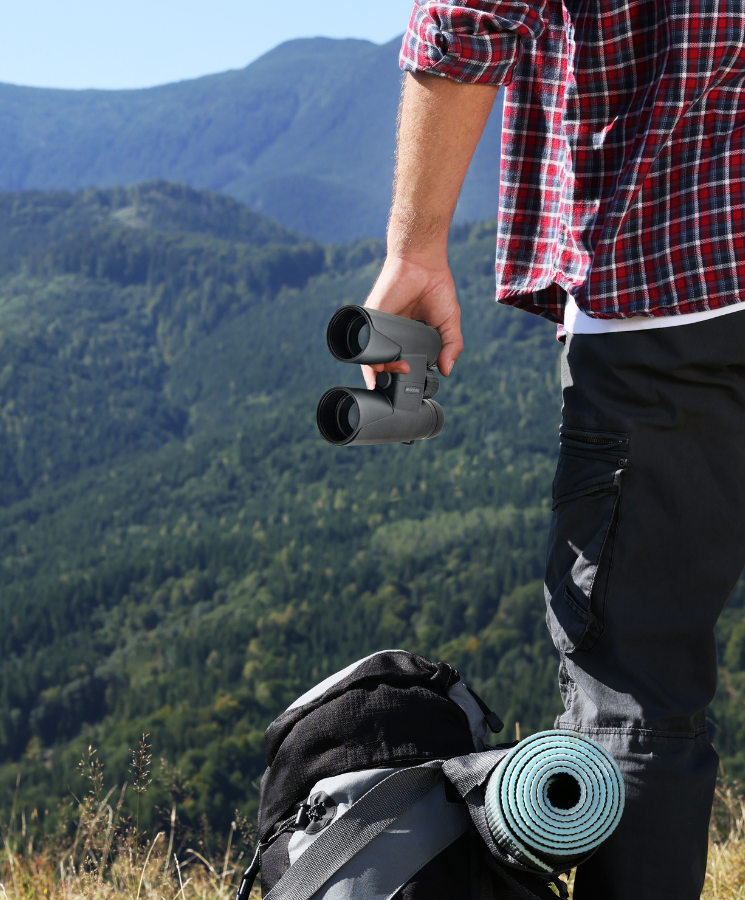
Are you planning a mountain hike and want to bring your compact binoculars along without feeling weighed down? Carrying binoculars on rugged trails can be tricky, but with the right tips, you can keep them safe, accessible, and comfortable to carry.
Imagine spotting a rare bird or a breathtaking view through your binoculars—without fumbling or worrying about damage. You’ll discover simple, practical ways to carry your compact binoculars on mountain hikes so you can enjoy every moment with ease. Keep reading to find out how to make your outdoor adventures even better!
Credit: gearjunkie.com
Choosing The Right Binoculars
Compact binoculars fit easily in pockets or small bags, making them ideal for mountain hikes. Using a neck strap or a belt case keeps them secure and hands-free during your trek. This way, you can quickly access your binoculars without slowing down.
Size And Weight Considerations
Compact binocularsare great for mountain hikes. They fit in small bags. Lightweight models prevent neck strain. Choose ones weighing under 1 pound. Small binoculars are easy to carry. They won’t slow you down.
Magnification And Lens Quality
Magnification helps you see far objects. Opt for 8x or 10xmagnification for clarity. Quality lenses give clear views. Look for multi-coated lenses. They improve light transmission. Better lenses mean better views.
Durability And Weather Resistance
Durable binoculars last longer. Choose ones with rubber armor. They resist bumps and drops. Weather resistance is key. Waterproof models protect from rain. Fog-proof ones keep lenses clear. Reliable binoculars withstand harsh conditions.

Credit: www.nocsprovisions.com
Selecting Carrying Options
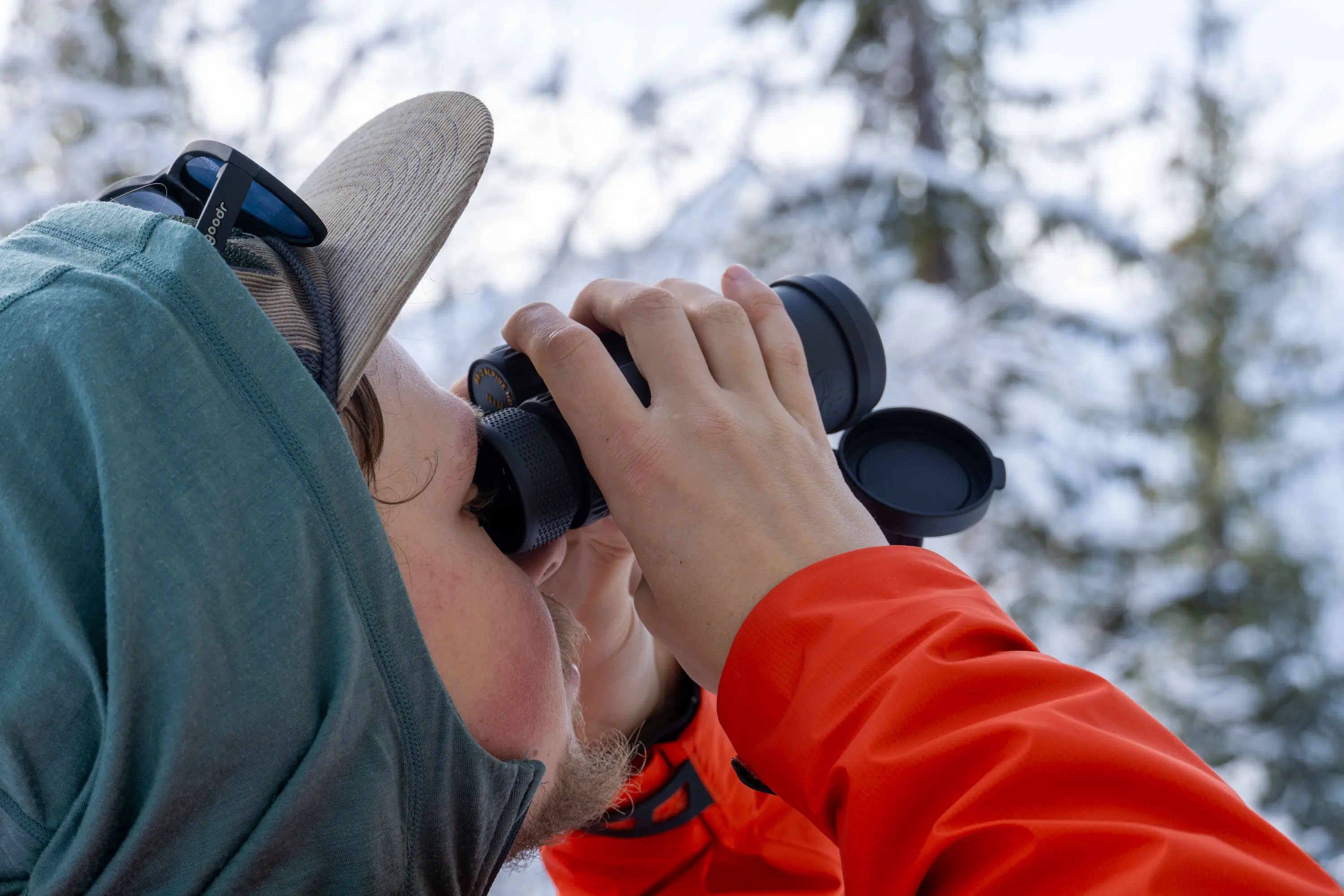
Neck strapskeep binoculars handy and easy to reach. They let you quickly lift the binoculars to your eyes. Choose straps with soft padding for comfort during long hikes. Some straps have quick-release clips for safety and ease.
Harnessesspread the weight across your chest and shoulders. This reduces neck strain and keeps binoculars stable when you move. Look for harnesses with adjustable straps to fit your body well.
- Chest packshold binoculars close to your body, reducing bounce while hiking.
- Waist packsoffer easy access and keep hands free for climbing or walking.
- Both types protect binoculars from rain and dust with zippered pockets.
Many backpacks have special compartments or loops for binoculars. This lets you keep them safe inside while hiking. Use padded sections to avoid damage. Quick access pockets are great for stopping and viewing without unpacking fully.
Packing Techniques For Easy Access
Using a protective casekeeps binoculars safe from dust and scratches. Soft cases with padding work well for light protection. Hard cases offer more security but can add weight.
Place the case where you can reach quickly, such as a chest pocket or outside backpack pouch. Avoid deep backpack compartments that slow you down.
Balance between easy accessand securityis key. Secure the case with straps or clips to stop it from moving around. This keeps binoculars ready without risk of falling or damage.
Safety Tips During Hikes
Compact binocularsneed careful handling to stay safe during hikes. Using a sturdy strap keeps them close and secure. Avoid dropping them by holding them firmly and packing them in a padded case. Falls can cause cracks or misalignment.
Keep binoculars away from moisture and dust. Use waterproof covers or dry bags to protect them. Wipe lenses gently with a soft cloth to prevent scratches. Dust can blur your view and harm the lenses.
Regular cleaning and checks help binoculars last longer. Remove dirt and moisture after each hike. Check for loose parts or damage before packing. Proper care keeps your gear ready for the next adventure.
Additional Accessories To Consider
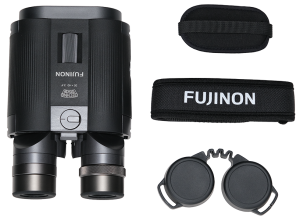
Lens coversprotect binocular lenses from dust and scratches. They keep your view clear during hikes. A cleaning kitis useful to wipe lenses gently. It prevents smudges and dirt buildup.
Strap cushionsmake carrying binoculars more comfortable. They reduce neck strain and prevent straps from digging into your skin. Soft padding helps during long walks.
Anti-fog solutionsstop lenses from fogging in cold or humid weather. They keep vision clear in changing mountain conditions. Small bottles are easy to carry and apply.
Credit: www.kodak.gtcie.com
Frequently Asked Questions
How Do I Securely Attach Compact Binoculars During Hikes?
Use a sturdy neck strap or harness designed for outdoor activities. Ensure it fits comfortably and keeps binoculars accessible without bouncing. This prevents damage and allows quick use while hiking. Consider anti-slip straps for added security on rough trails.
What Are The Best Compact Binocular Cases For Hiking?
Choose lightweight, durable cases with padding and water resistance. A case with belt loops or carabiner clips offers hands-free carrying. It protects binoculars from scratches and weather while keeping them easily accessible on mountain hikes.
Can Compact Binoculars Be Carried In Backpack Pockets?
Yes, place binoculars in padded, easily reachable backpack pockets. Use protective sleeves to avoid scratches. This method keeps binoculars safe and handy without adding bulk or weight during mountain hikes.
Should I Carry Binoculars Around My Neck Or In A Bag?
Carrying binoculars around your neck offers quick access but may cause neck strain. Using a bag or harness provides better weight distribution and protection. Choose based on hike duration and personal comfort.
Conclusion
Carrying compact binoculars on mountain hikes is easy with the right tips. Use a sturdy case to protect them from damage. Attach them to your backpack or belt for quick access. Keep the binoculars clean and dry to ensure clear views.
Choose a comfortable strap to avoid neck pain. With these simple steps, enjoy better hiking experiences and stunning mountain sights. Stay prepared and safe on every adventure.