If you’ve invested in close-focus binoculars, you want them to deliver clear, sharp views every time you use them. But like any precision tool, your binoculars need proper care to stay in top shape.
Wondering what simple steps you can take to keep your close-focus binoculars working perfectly? You’re in the right place. You’ll discover easy and effective maintenance tips that will protect your investment and ensure your views remain crystal clear. Keep reading to learn how to make your binoculars last longer and perform better with just a little regular care.
Cleaning The Lenses
Cleaning the lenses keeps your close-focus binoculars clear and sharp. Use a soft cloth to gently remove dust and smudges. Avoid harsh chemicals to protect the lens coating.
Choosing The Right Cleaning Tools
Use a soft brushto remove dust. A microfiber clothis best for wiping. Avoid paper towels; they can scratch lenses. Choose a lens cleaner that’s safe for coatings. Never use household cleaners.
Step-by-step Cleaning Process
- Brush off loose dirt with a soft brush.
- Apply lens cleaner to a microfiber cloth.
- Gently wipe the lens in a circular motion.
- Dry the lens with a clean cloth.
Avoiding Common Cleaning Mistakes
Don’t use too much cleaner. It can leave streaks. Avoid pressing too hard; it may damage the lens. Never use your breath to fog the lens. It can leave moisture behind. Always handle binoculars with clean hands.
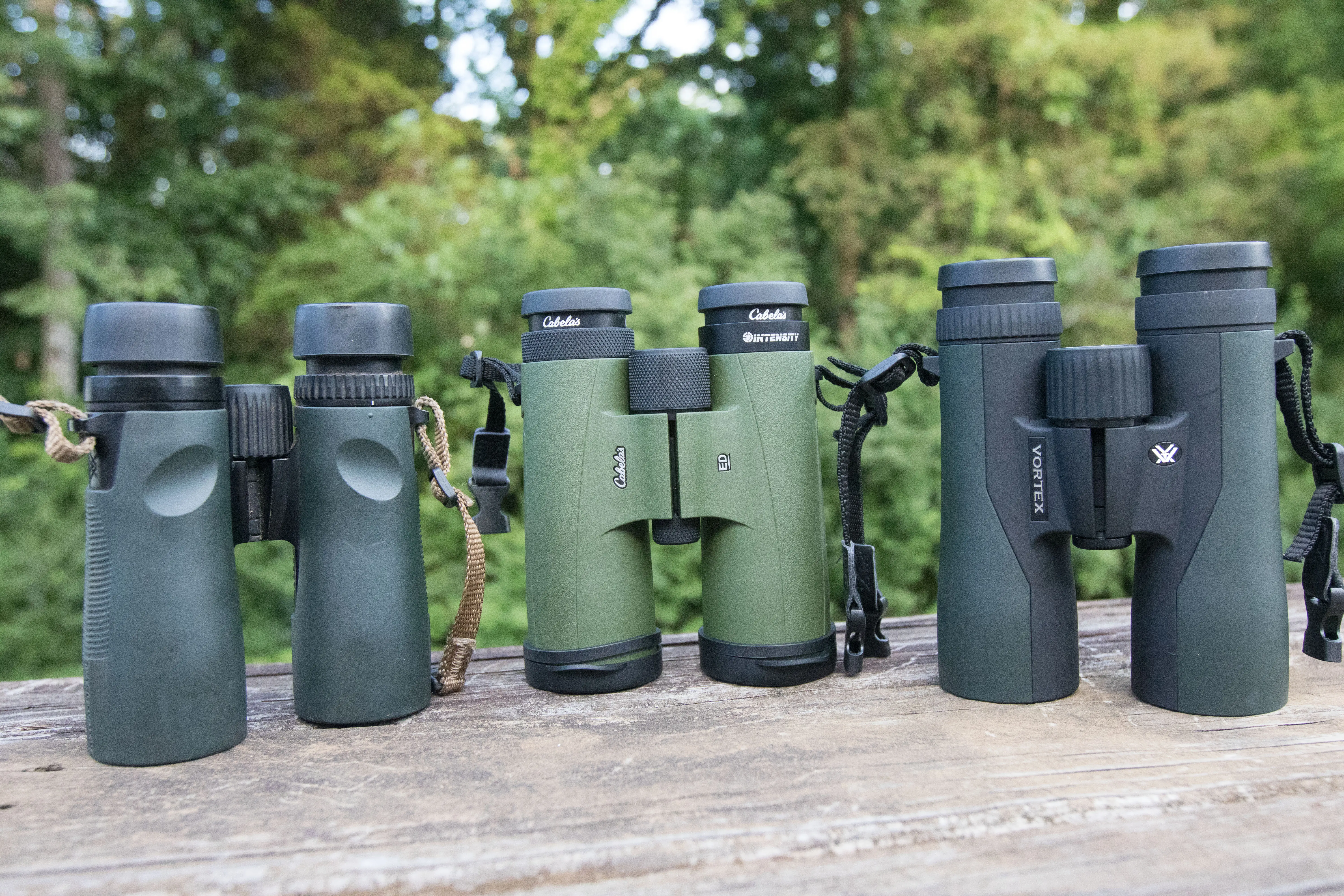
Credit: gearjunkie.com
Protecting The Optics
Lens caps and coversare essential to keep binocular lenses safe. They stop dust, dirt, and scratches from harming the glass. Always put lens caps on after use. Covers also protect against accidental drops and bumps.
Proper storage extends binocular life. Store them in a dry, cool placeaway from direct sunlight. Use a padded case to avoid damage. Avoid leaving binoculars in hot cars or damp areas.
Moisture and fogging can hurt optics. Wipe lenses gently with a soft, clean cloth. Use silica gel packs in the storage case to absorb moisture. For heavy fog, consider binoculars with anti-fog coatingsor sealed bodies.
Mechanical Care
Check the focus mechanism regularly to keep it smooth. Turn the focus knob gently and watch for any stiffness or looseness. Adjustments might be needed if focusing feels rough or uneven.
Use a small amount of proper lubricant on moving parts. Avoid over-lubricating as this can attract dirt and cause damage. Use oils made for optical instruments only.
- Look closely for any wear on gears or hinges.
- Check for cracks, dents, or loose screws.
- Replace worn parts promptly to avoid further damage.
Regular Maintenance Schedule
Clean lenses daily using a soft cloth to avoid scratches. Keep binoculars dry and store them in a protective case. Avoid touching lenses with fingers to prevent smudges. Gently blow dust off lenses before wiping. Use lens cleaner only designed for optics.
Check for loose screws or parts monthly. Inspect lenses for any damage or dirt buildup. Ensure the focus mechanism works smoothly without stiffness. Test the protective covers and straps for wear. Tighten any loose fittings carefully.
Seek professional help if lenses fog inside or show scratches. If focus or zoom feels stuck or rough, get servicing. Have binoculars checked every couple of years for deep cleaning. Professional service can fix alignment and internal issues. Avoid opening binoculars yourself to prevent damage.
Troubleshooting Common Issues
Blurry imagesoften mean dirty lenses. Clean lenses gently with a soft cloth. Avoid using strong chemicals that can damage the glass. Sometimes, adjusting the focus wheel carefully sharpens the view. If blur stays, check for lens damage.
Stiff focus wheelsmay need lubrication. Use a tiny drop of silicone-based lubricant. Too much oil can attract dust and cause more problems. Loose focus wheels might need tightening. Use small tools to avoid breaking parts.
Alignment problemscause double or tilted images. This may happen if binoculars are dropped. Realigning is tricky and might need professional help. Avoid DIY fixes that can make damage worse. Handle binoculars gently to keep alignment intact.

Credit: swoptics.co.uk

Credit: www.facebook.com
Frequently Asked Questions
How Often Should I Clean Close-focus Binoculars?
Clean your close-focus binoculars after every use or when visibly dirty. Use a soft brush or microfiber cloth to remove dust. Avoid using harsh chemicals that can damage lenses. Regular cleaning ensures clear vision and extends the life of your binoculars.
What Is The Best Way To Store Binoculars?
Store binoculars in a cool, dry place away from direct sunlight. Use a protective case to avoid dust and moisture buildup. Ensure lenses are covered with caps to prevent scratches. Proper storage maintains optical quality and prevents internal fogging.
Can I Use Household Cleaners On Binocular Lenses?
No, avoid household cleaners as they can damage lens coatings. Use a lens cleaner specifically designed for optics. Apply cleaner to a microfiber cloth, not directly on lenses. This protects your binoculars and keeps the optics clear.
How Do I Prevent Fogging Inside Binoculars?
Prevent fogging by storing binoculars in a dry environment with silica gel packs. Avoid sudden temperature changes and exposure to humidity. Many binoculars are nitrogen-purged to resist fogging internally. Proper care keeps your view clear and fog-free.
Conclusion
Regular cleaning keeps close-focus binoculars clear and sharp. Avoid touching the lenses with fingers to prevent smudges. Use a soft cloth or lens brush for dust removal. Store binoculars in a dry, cool place to stop damage. Check screws and parts often to ensure they stay tight.
Proper care helps binoculars last longer and work better. Simple steps protect your view and your gear. Keep these tips in mind for easy maintenance. Your binoculars will thank you with clear, bright images every time.