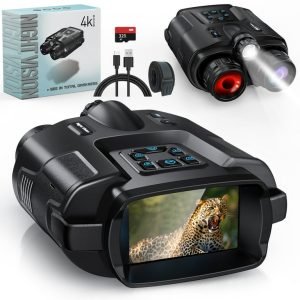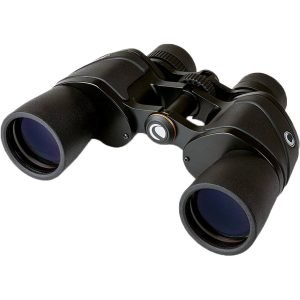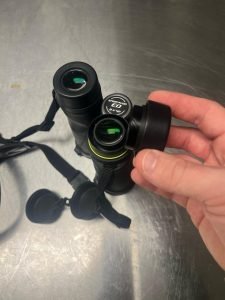
You’ve invested in night vision binoculars to see clearly in the dark. But do you know how to store them safely to keep them working perfectly?
Storing your night vision binoculars the right way protects them from damage, extends their life, and ensures they’re ready whenever you need them. You’ll discover simple, practical steps to keep your gear safe and in top condition. Keep reading to learn how to protect your valuable equipment and get the most out of every night adventure.

Credit: store.wildguarder.com
Choosing The Right Storage Case
Hard cases offer better protection for binoculars. They are more durable. Soft cases are lighter and easier to carry. They provide basic protection. Hard casesresist impacts better. Soft casesare more portable. Consider where you will store your binoculars.
Water can damage night vision binoculars. Choose a case with waterproof features. Waterproof cases keep moisture away. Look for cases with sealed seams. Sealed seams prevent water entry. Keep your binoculars dry and safe.
Padded cases protect binoculars from bumps. Padding absorbs shocks. Choose a case with thick padding. Thick padding keeps binoculars secure. Shock absorption prevents damage during travel. Your binoculars stay in good condition.
Cleaning Before Storage
Removing dirt and debris keeps night vision binoculars working well. Use a soft brush or air blower to clear dust. Avoid wiping with rough cloths that may scratch lenses.
Lens cleaning techniques matter a lot. Use a microfiber cloth with lens cleaner or water. Gently wipe in a circular motion. Never press too hard on the lens surface.
Avoiding moisture build-up protects binoculars from damage. Store them in a dry place with silica gel packets. Keep the case closed to stop dust and moisture from entering.
Optimal Storage Environment
Store night vision binoculars in a cool, dry place away from direct sunlight. Avoid damp areas to prevent moisture damage and keep them in a protective case. Proper storage helps maintain their performance and extend their lifespan.
Temperature And Humidity Control
Keep night vision binoculars in a place with stable temperature. Ideal temperatures are between 10°C and 25°C (50°F to 77°F). Avoid extreme heat or cold. Humidity should be low, around 40% to 60%, to prevent damage. Use a dehumidifier or silica gel packs to reduce moisture.
Avoiding Direct Sunlight
Do not leave binoculars in direct sunlight. Sunlight can harm the lenses and internal parts. Store them in a shaded, cool area. A padded case or protective cover helps block light and dust.
Preventing Mold And Corrosion
- Keep binoculars dry and clean.
- Wipe lenses gently with a soft cloth.
- Check for signs of mold regularly.
- Use anti-corrosion sprays on metal parts.
- Store in a ventilated area to avoid moisture buildup.

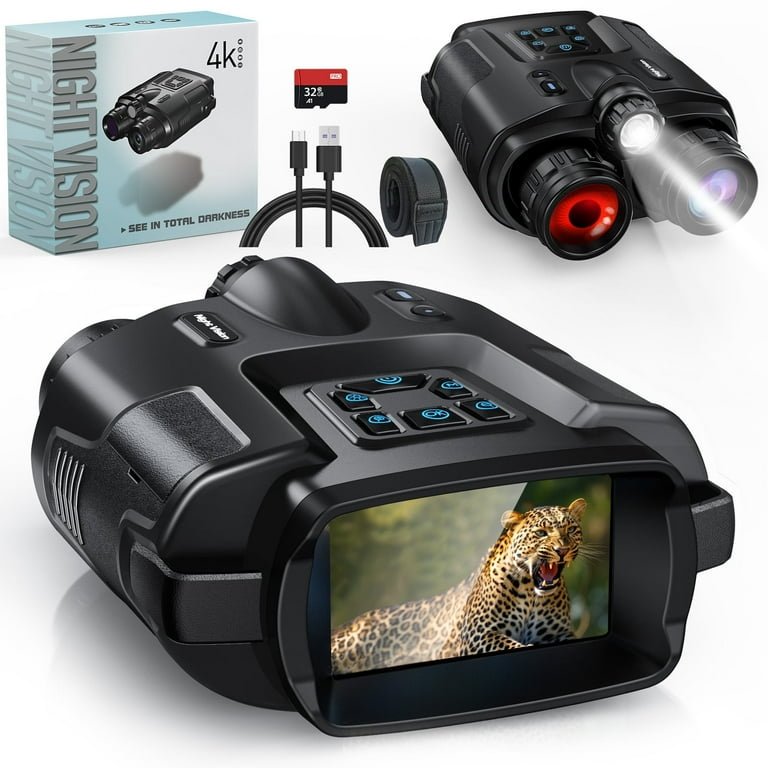
Credit: www.walmart.com
Battery Care Tips
Remove the batteries from night vision binoculars if they will not be used for days. This prevents battery leakage and damage. Store the batteries separately in a cool and dry place. Avoid places with high heat or moisture to keep batteries fresh and safe.
Rechargeable batteries need special care. Always use the charger made for your battery type. Do not overcharge, as this can reduce battery life. Keep rechargeable batteries away from metal objects to avoid short circuits.
| Battery Care Tips | What to Do |
|---|---|
| Removing Batteries When Not in Use | Take out batteries to prevent leaks and corrosion. |
| Proper Battery Storage | Keep batteries in a cool, dry place away from heat. |
| Using Rechargeable Batteries Safely | Use correct chargers and avoid overcharging. |
Routine Maintenance Checks
Inspect the binocularsfor cracks, scratches, or loose parts. Check lenses carefully for dirt or smudges. Clean with a soft cloth to avoid damage. Look inside for dust or moisture that can harm night vision.
Test the night vision performanceby turning the device on in a dark room. Make sure the image is clear and bright. If the view is blurry or dim, it may need cleaning or repair.
| Service Type | Purpose | Frequency |
|---|---|---|
| Basic Cleaning | Remove dust and dirt | Monthly |
| Battery Check | Ensure power works well | Every use |
| Professional Servicing | Fix issues and check electronics | Once a year |

Credit: www.amazon.com
Frequently Asked Questions
How Should I Clean Night Vision Binoculars Before Storage?
Clean lenses gently with a microfiber cloth. Avoid harsh chemicals. Remove dust and moisture to prevent damage during storage.
What Is The Ideal Temperature For Storing Night Vision Binoculars?
Store binoculars in a cool, dry place between 10°C and 25°C. Extreme temperatures can harm internal components.
Can I Store Night Vision Binoculars In Their Carrying Case?
Yes, always store binoculars in their padded carrying case. It protects from dust, impacts, and moisture.
How Often Should I Check Stored Night Vision Binoculars?
Inspect stored binoculars every 3-6 months. Check for moisture, dust, or damage to maintain optimal performance.
Conclusion
Storing night vision binoculars properly keeps them safe and working well. Use a clean, dry case to avoid dust and moisture. Keep them away from extreme heat or cold. Regularly check and clean the lenses gently. Avoid placing heavy items on top of your binoculars.
These simple steps help protect your device and extend its life. Safe storage means better performance whenever you need it. Take care of your binoculars, and they will take care of you.