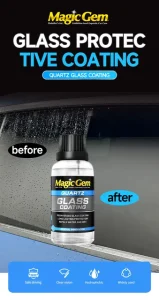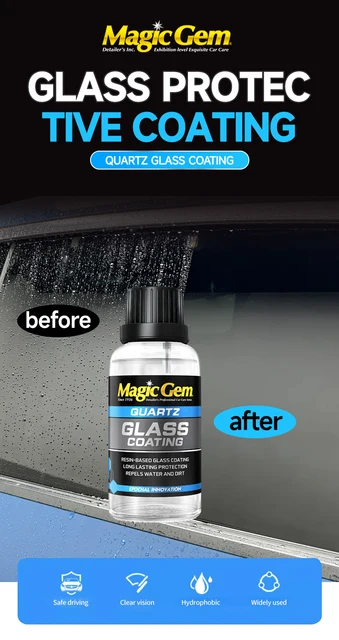
Are you tired of your waterproof and fog-proof coatings losing their effectiveness too soon? Whether it’s on your glasses, car windows, or outdoor gear, keeping these coatings in top shape is key to clear vision and reliable protection.
But how do you make sure they last longer and work better every day? You’ll discover simple, practical tips that anyone can use to maintain your coatings. Keep reading, and you’ll learn how easy it is to protect your investments and enjoy their benefits for much longer.
Credit: diyative.com
Choosing The Right Coating
Waterproof coatings protect surfaces from water damage. Common types include:
- Silicone-based coatings: Flexible and water-resistant.
- Acrylic coatings: Easy to apply and dry fast.
- Polyurethane coatings: Durable and strong against water.
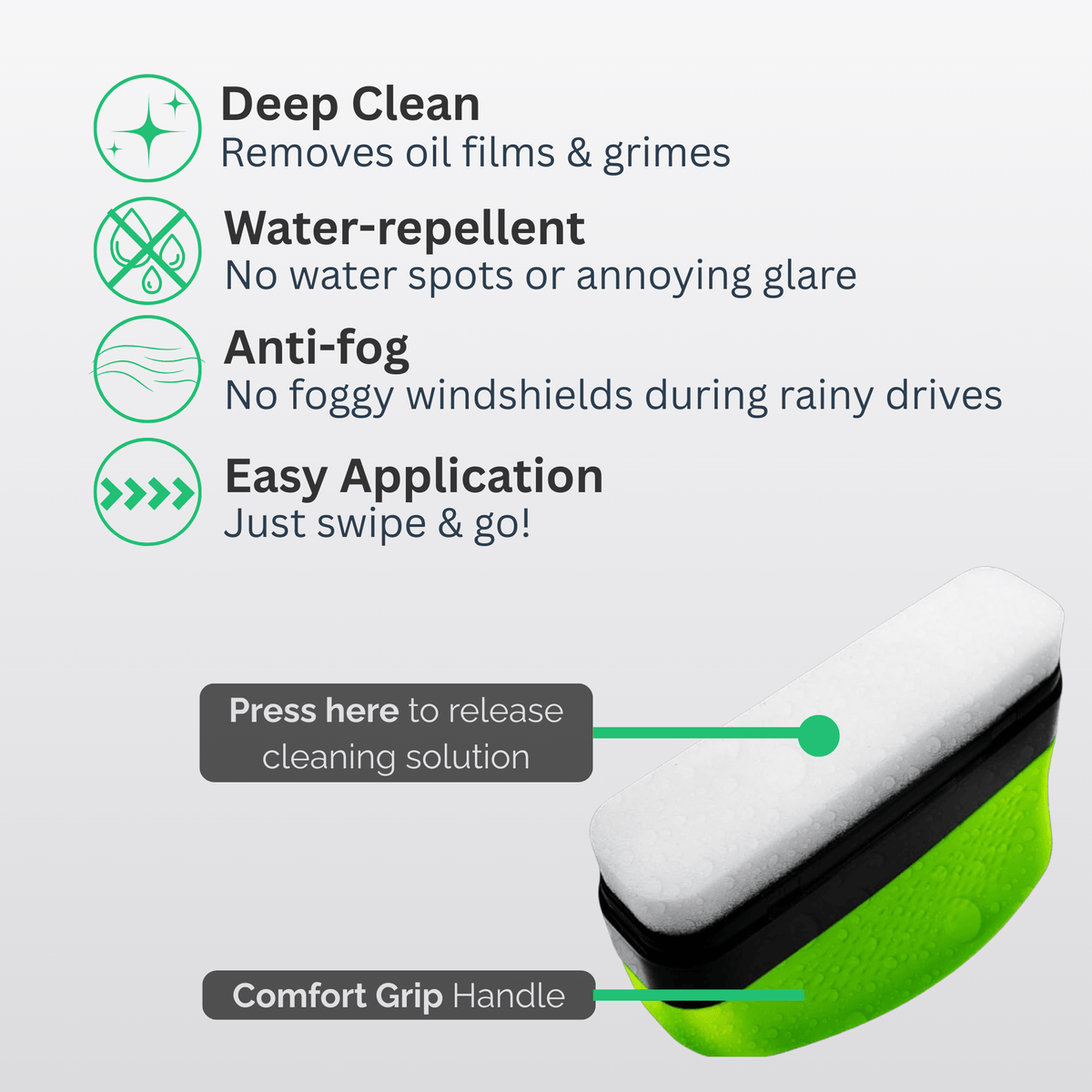
Fog-proof coatings prevent moisture buildup on glass or lenses. Popular types are:
- Anti-fog sprays: Easy to use, but need reapplication often.
- Hydrophilic coatings: Spread water evenly to stop fog.
- Permanent anti-fog films: Last longer, good for goggles or glasses.
| Factor | What to Consider |
|---|---|
| Surface Type | Choose coating that suits the material, like glass or fabric. |
| Environment | Think about heat, rain, or humidity where coating will be used. |
| Durability | Pick long-lasting coatings for tough conditions. |
| Ease of Application | Some coatings are simple to apply, others need experts. |
Cleaning Techniques
Gently clean surfaces using a soft cloth and mild soap to protect waterproof and fog-proof coatings. Avoid harsh chemicals or rough scrubbing to keep the coatings intact and effective. Regular maintenance helps extend their life and performance.
Safe Cleaning Materials
Use mild soap and water for cleaning coatings. Avoid harsh chemicals. They can damage the surface. Microfiber cloths are gentle. They help keep coatings safe. Soft brushes are useful for tricky spots. Ensure all materials are soft and non-abrasive.
Cleaning Frequency
Regular cleaning is essential. Clean coatings once a month. Frequent cleaning prevents dirt buildup. Look for dirt and stains often. Clean whenever you spot them. This keeps coatings fresh and effective.
Avoiding Damage
Be careful with coatings. Avoid sharp objects near them. Scratches can ruin the surface. Do not use hot water. It may warp the coating. Handle with care to maintain quality. Always follow manufacturer instructions. They ensure coatings stay waterproof and fog-proof.
Application Tips
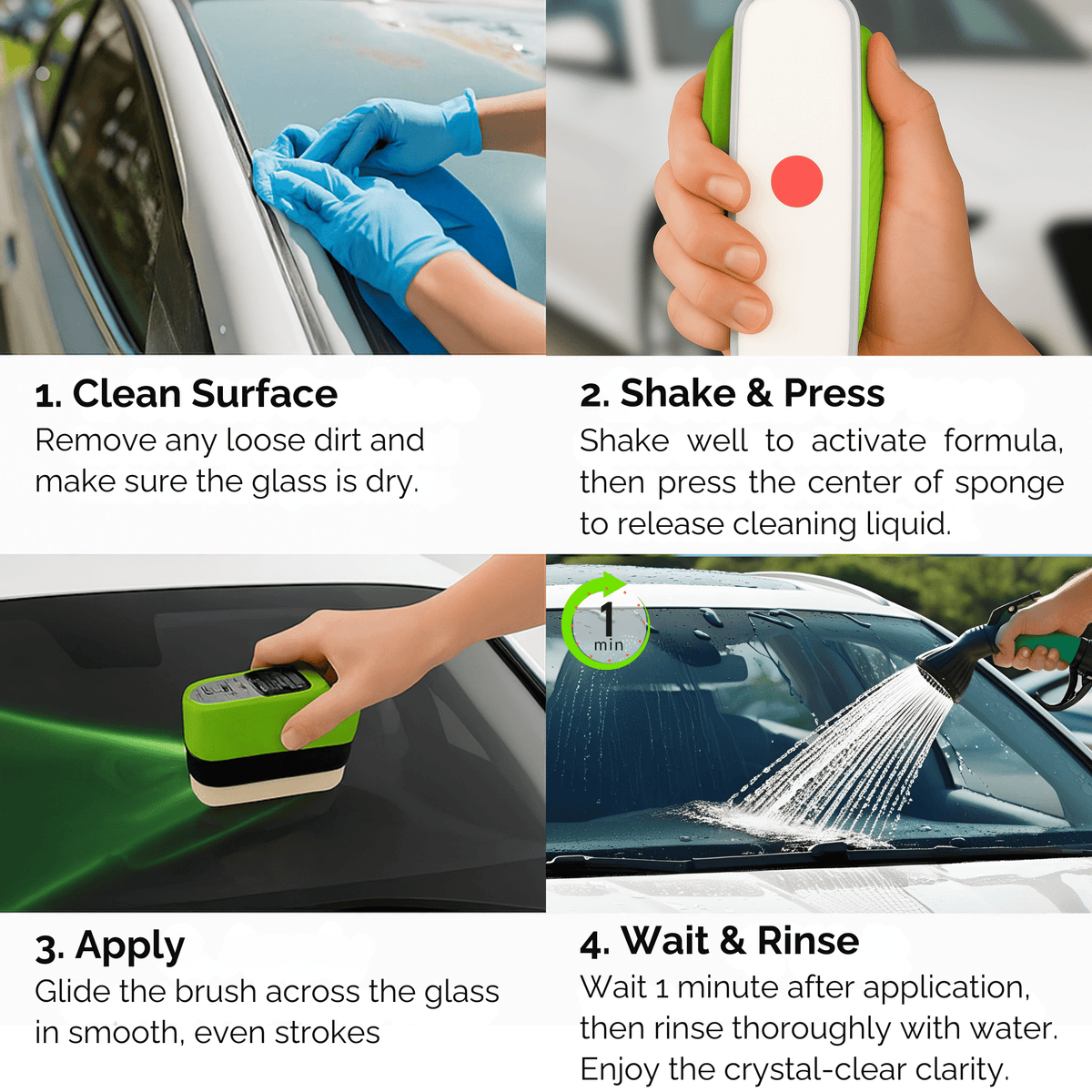
Clean the surfacethoroughly. Dirt and dust stop coatings from sticking well. Use mild soap and water. Let it dry fully before starting.
Remove old paint or coatingsusing sandpaper or a scraper. A smooth surface helps the new coating work better. Check for cracks and fill them.
Apply coatings in thin, even layers. Thick layers can cause peeling or bubbles. Use a brush or roller for better control. Follow the product instructions carefully.
Work in a well-ventilated areaand avoid high humidity. This helps coatings dry properly. Keep temperature between 50°F and 85°F for best results.
| Coating Type | Drying Time | Curing Time |
|---|---|---|
| Waterproof Coating | 1-2 hours | 24-48 hours |
| Fog-Proof Coating | 30 minutes | 12-24 hours |
Do not touch or expose the surface to water until fully cured. Rushing this step can weaken the coating. Patience ensures long-lasting protection.
Storage And Handling
Protecting coated surfacesis key to keep waterproof and fog-proof layers working well. Avoid touching the coated area with sharp or dirty objects. Use soft cloths to clean surfaces gently without scratching. Avoid direct sunlight or harsh chemicals that can weaken the coating.
| Ideal Storage Conditions | Handling Precautions |
|---|---|
| Store in a cool, dry place | Always hold coated items with clean hands |
| Avoid exposure to direct sunlight | Use protective covers when not in use |
| Keep away from dust and dirt | Do not use abrasive cleaning tools |
| Maintain stable temperature, avoid extreme heat | Handle with care to prevent scratches or cracks |
Regular Inspection
Regular inspectionhelps catch problems early. Check coatings for cracks, bubbles, or peeling. These signs mean the coating is losing its power. Look closely at edges and joints where damage often starts.
Signs of wear and tearinclude dull surfaces, water spots, or fog inside glass. These signs show the coating is no longer working well. Cleaning with harsh chemicals can also harm the coating.
When to reapply coatingsdepends on use and weather. If water no longer beads up or fog appears inside, it’s time to reapply. Reapplication keeps surfaces protected and clear.
Maintaining longevitymeans avoiding scratches and cleaning gently. Use soft cloths and mild soap. Avoid harsh scrubbing or strong chemicals to keep coatings strong longer.
Credit: diyative.com
Common Mistakes To Avoid
Using harsh chemicalscan damage waterproof and fog-proof coatings. Avoid cleaners with strong acids or solvents. These chemicals break down the protective layers quickly. Instead, use mild soap and water for cleaning.
Overexposure to elementslike sun, rain, and wind weakens the coatings. Prolonged exposure causes cracks and peeling. Store items indoors or use protective covers when not in use.
Ignoring manufacturer guidelinesleads to poor maintenance and coating failure. Always follow the instructions for cleaning and reapplying coatings. This helps keep the protective layer effective for longer.
Credit: www.aliexpress.com
Frequently Asked Questions
How Often Should I Reapply Waterproof Coatings?
Reapply waterproof coatings every 6 to 12 months for optimal protection. Regular checks help spot wear or damage early. Follow manufacturer guidelines for best results and ensure surfaces are clean before application.
What Cleaning Methods Protect Fog-proof Coatings?
Use mild soap and water with a soft cloth to clean fog-proof coatings. Avoid abrasive cleaners or rough materials that can scratch. Gentle cleaning maintains coating effectiveness and extends its lifespan.
Can Waterproof And Fog-proof Coatings Be Used Together?
Yes, many products combine waterproof and fog-proof properties for dual protection. Ensure compatibility before applying both to avoid chemical reactions. Using combined coatings simplifies maintenance and enhances surface durability.
What Causes Fog-proof Coatings To Lose Effectiveness?
Fog-proof coatings degrade due to dirt, oils, and scratches. Exposure to harsh chemicals or abrasive cleaning also reduces performance. Regular gentle cleaning and avoiding harsh products maintain fog-proof quality longer.
Conclusion
Maintaining waterproof and fog-proof coatings takes regular care. Clean surfaces gently with a soft cloth and mild soap. Avoid harsh chemicals that can damage the coating. Check coatings often for any signs of wear or damage. Apply a fresh layer when needed to keep protection strong.
Proper care helps coatings last longer and work better. This keeps your gear clear and dry in all conditions. Small efforts lead to big results. Keep your coatings in top shape for best performance.