You rely on your night vision binoculars to see clearly in the dark, whether you’re exploring nature or keeping watch. But rain and dust can quickly damage these sensitive devices, ruining your experience and costing you money.
Protecting your binoculars doesn’t have to be complicated. You’ll discover simple, effective ways to shield your gear from the elements. Keep reading to learn how to keep your night vision binoculars working perfectly, no matter the weather.
Credit: www.tech-shack.co.uk
Choosing Weather-resistant Models
Choosing weather-resistant night vision binoculars helps keep rain and dust out. These models protect internal parts and maintain clear vision in tough conditions. Durable seals and sturdy materials make them ideal for outdoor use.
Waterproof Features
Many binoculars come with waterproof seals. These seals protect against rain. Look for binoculars with a high waterproof rating. They can handle heavy rain. Special coatings on lenses repel water. This keeps your view clear.
Dustproof Ratings
Binoculars can also be dustproof. Check the IP rating. It tells how much dust they resist. Higher numbers mean better protection. Dust can blur your view. Choose models with strong seals. These keep the dust out.
Material Durability
Durable materials are important. Binoculars should be made of sturdy materials. Metal or tough plastic is best. These materials resist wear and tear. They handle bumps and drops well. Durable binoculars last longer.
Essential Protective Accessories
Rain covers and shieldshelp keep binoculars dry during wet weather. They fit snugly over the device, stopping water from reaching the lenses and body. Made from waterproof materials, these covers are light and easy to carry. They also protect against dust and dirt. Some rain covers have clear sections to see controls without removing them.
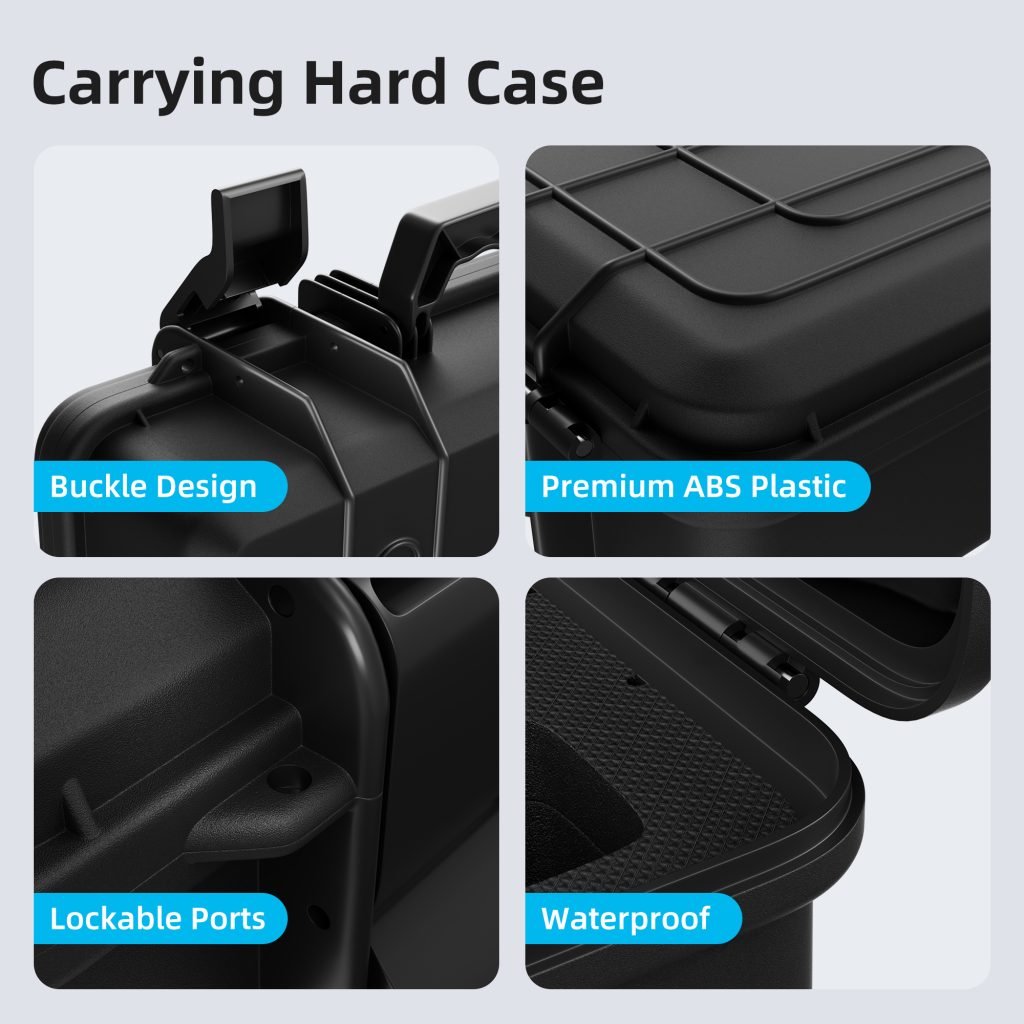
Protective carrying casesoffer strong defense against dust and scratches. These cases have soft interiors that cushion the binoculars. Hard shell cases provide better protection against drops and bumps. Many cases are compact and have straps for easy carrying. They keep the binoculars clean and safe when not in use.
Lens caps and coversblock dust and moisture from settling on lenses. Caps should fit tightly but be easy to remove. Using lens covers is a simple way to avoid scratches during travel. Always cover lenses when binoculars are not being used to keep them clear and ready.
Daily Care And Maintenance
Use a soft, dry cloth to clean lenses gently. Avoid harsh chemicals that can damage coatings. For dust, use a small brush or air blower to remove particles before wiping.
After rain or moisture exposure, dry binoculars quickly with a clean cloth. Leave them open in a dry place to air out fully. Avoid direct heat sources like radiators.
| Storage Tip | Why It Helps |
|---|---|
| Keep in a padded case | Protects from dust and physical damage |
| Store in a cool, dry place | Prevents mold and moisture buildup |
| Avoid direct sunlight | Prevents lens and body damage |
| Use silica gel packets | Absorbs moisture inside storage cases |

Credit: www.amazon.com
Handling Tips In Harsh Conditions
Protecting night vision binocularsfrom rain and dust is key for long life. Use a waterproof coverduring rain. Avoid direct exposure to heavy rain. Wipe moisture quickly with a soft clothto prevent damage.
Keep binoculars in a dust-proof casewhen not in use. Clean lenses gently using a lens brushor air blower to remove dust. Avoid wiping lenses with rough cloths.
Quick action after moisture exposure helps. Open binoculars carefully to air dry in a cool, dry place. Do not use heat sources to dry, as it can harm the device.
Diy Protection Hacks
Improvised covers help keep rain and dust away from binoculars. Use plastic bagsor old socksto cover the lenses. Secure covers with rubber bands or tape to avoid slipping.
Anti-fog solutions stop lenses from fogging in damp weather. Apply a few drops of anti-fog sprayor rub a small amount of soapon the lenses, then wipe gently. This keeps vision clear.
Sealing small gaps prevents water and dust from entering. Use silicone sealantor weatherproof tapearound joints and seams. Check for tiny holes and seal them well.
Repair And Troubleshooting
Detecting water damagemeans looking for fog inside lenses or spots on glass. Check for rust or corrosion on metal parts. If binoculars feel damp or sticky, water may be inside. Use a soft cloth to clean outer surfaces gently.
Fixing dust ingressneeds careful cleaning. Use a small brush or air blower to remove dust from the lenses and joints. Avoid using liquids that can harm the lenses. Keep binoculars in a sealed case when not in use to stop dust entry.
Seek professional helpwhen lenses are scratched or fog stays inside. If binoculars don’t work after cleaning, a technician can open and fix them safely. Trying to repair complex parts alone may cause more damage.

Credit: www.amazon.com
Frequently Asked Questions
How Can I Waterproof Night Vision Binoculars Effectively?
Use a quality waterproof case to protect your binoculars from rain. Apply waterproof sprays for extra protection. Always dry binoculars immediately after exposure to moisture.
What Materials Prevent Dust From Damaging Binocular Lenses?
Lens covers and sealed protective cases block dust effectively. Use microfiber cloths for gentle cleaning. Avoid wiping lenses when dusty to prevent scratches.
Are Rain Covers Necessary For Night Vision Binoculars?
Yes, rain covers shield binoculars from water damage. They keep lenses clear and operational during wet conditions. Investing in covers extends binocular lifespan.
How To Clean Night Vision Binoculars After Rain Exposure?
Gently wipe with a soft, dry cloth to remove moisture. Avoid harsh chemicals that damage coatings. Let binoculars air dry completely before storage.
Conclusion
Protecting your night vision binoculars from rain and dust keeps them working well. Use waterproof covers and store them in dry places. Clean lenses gently with a soft cloth after use. Avoid exposing binoculars to harsh weather for long periods.
Taking small steps helps your equipment last longer. Enjoy clear vision during your night adventures without worry. Keep your binoculars safe, and they will serve you better. Simple care makes a big difference over time. Stay prepared and protect your gear every time you go out.