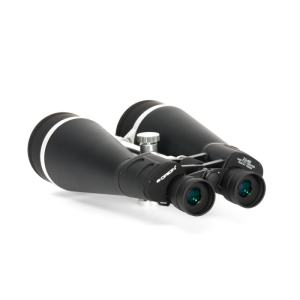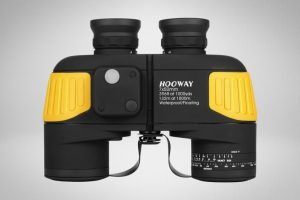
If you love hiking and want to enjoy clear, steady views of wildlife and landscapes, packing your image stabilized binoculars correctly is a must. You might think tossing them in your bag is enough, but even a small bump can damage these sensitive devices or affect their performance.
You’ll discover simple, effective tips to pack your binoculars safely and keep them ready for every adventure. Keep reading to protect your gear and make every hike more enjoyable!
Choosing The Right Case
Hard cases offer strong protection. They keep binoculars safe from falls. Soft cases are lighter. They are easy to carry. Hard cases can be bulky. Soft cases fit in small backpacks. Both types have zippers for closing. Choose based on your hiking style.
Waterproof cases protect against rain. They keep binoculars dry. Hiking can be wet. Waterproof cases are useful in wet areas. Some cases have seals. These seals stop water from entering. Check the case for waterproof labels. A dry binocular is a happy one!
Binoculars must fit snugly in the case. A loose fit can cause damage. Check case dimensions before buying. Measure your binoculars carefully. Ensure they slide in easily. Not too tight, not too loose. The right fit keeps them safe.

Credit: www.instagram.com
Cleaning Before Packing
Remove loose dust first by gently blowing on the lenses or using a soft brush. This stops scratches during cleaning. Use a microfiber cloth for wiping lenses softly. Avoid rough materials like paper towels or shirts. For stubborn dirt, dampen the cloth slightly with lens cleaner or water. Never spray cleaner directly on lenses. Clean in small circles starting from the center outwards.
- Use a blower or soft brush to remove dust.
- Wipe lenses gently with a microfiber cloth.
- Avoid using rough or dirty cloths.
- Use lens cleaner sparingly on cloth, not lenses.
- Clean in circular motions from center to edges.
Protecting The Binoculars
Always cover the lenses with lens capsto stop scratches. Use caps that fit snuglyand do not fall off easily. Keep the caps on, even when you pause for a break.
Use soft padding like foam or clotharound the binoculars. Wrap them gently but firmly to absorb shocks. Place the padded binoculars in a sturdy casefor better protection.
- Check that straps are tight and secure.
- Fasten all accessories so they don’t move or drop.
- Use clips or Velcro to keep straps tidy.
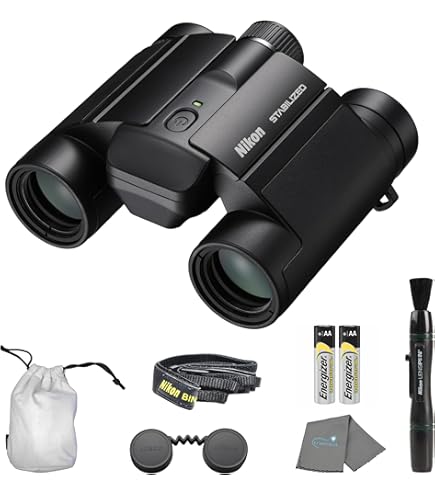
- Store loose parts in a small bag inside the case.
Credit: www.amazon.com
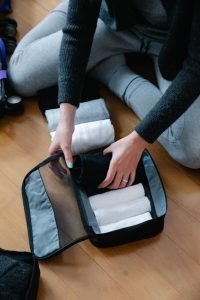
Packing Strategies For Hiking
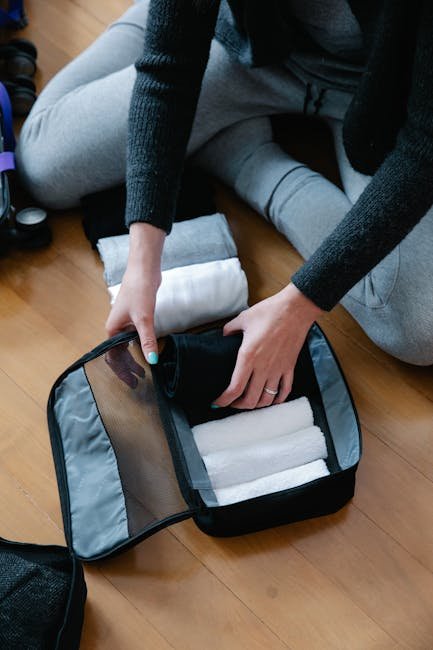
Place the image stabilized binocularsclose to your body in the backpack. This helps keep the load steady and reduces shaking during the hike.
Keep the binoculars near the center or upper part of the backpack to balance weight. Avoid putting them at the bottom where they might get damaged.
- Use soft padding or a case to protect the binoculars from bumps.
- Make sure no heavy items press directly on the binoculars.
- Arrange other gear evenly to avoid pressure points on your back.
Proper placement helps keep the binoculars safe and your hike comfortable. Balanced weight prevents strain and makes walking easier.
Additional Gear To Carry
Cleaning clothskeep your binocular lenses clear. Use soft, lint-free cloths to avoid scratches. Carry a small pouch for easy access. Wipe lenses gently after use to remove dirt and moisture.
Battery packsare essential for image-stabilized binoculars. Carry extra batteries or a portable charger. This ensures your binoculars stay powered during long hikes. Check battery type before packing.
Repair kitshelp fix minor damages quickly. Include small screwdrivers, lens caps, and adhesive tape. A compact kit can prevent hiking trips from ending early due to equipment issues.

Credit: www.amazon.com
Handling And Maintenance On The Trail
Always hold your binocularsfirmly to avoid dropping. Use the neck strapfor extra safety. Store them in a padded caseto protect from bumps and scratches.
Keep the lenses clean by wiping gently with a soft cloth. Use a lens brushto remove dust before wiping. Avoid using rough materials or strong chemicals that can damage the lenses.
| Battery Care | Tips |
|---|---|
| Check Battery | Test before hiking to ensure power |
| Carry Spares | Bring extra batteries for long trips |
| Store Properly | Remove batteries if not used for days |
| Avoid Extreme Temperatures | Keep batteries away from heat or cold |
Frequently Asked Questions
How Do I Protect Image Stabilized Binoculars During Hiking?
Use a padded case to protect your binoculars from shocks. Wrap them in a soft cloth before placing them inside. Always secure the case in your backpack to avoid impacts and moisture.
Can I Carry Binoculars In A Hiking Backpack?
Yes, carry binoculars in a dedicated padded compartment or case inside your backpack. This prevents damage and keeps them accessible for quick use during hiking.
Should I Clean Binoculars Before Packing?
Yes, clean lenses with a microfiber cloth to avoid scratches. Remove dust and moisture to maintain clear vision and prevent damage during storage and transport.
How To Keep Binoculars Dry While Hiking?
Use a waterproof case or dry bag to protect binoculars from rain. Avoid direct contact with water and always store them in a dry, ventilated spot in your backpack.
Conclusion
Packing image stabilized binoculars right keeps them safe and ready. Use a padded case to protect lenses and controls. Wrap straps neatly to avoid tangles. Keep accessories like lens cloths in a small pouch. Store binoculars in a secure spot inside your backpack.
This simple care helps your binoculars last longer on every hike. Enjoy clear views without worrying about damage. Ready for your next adventure? Just follow these easy steps.