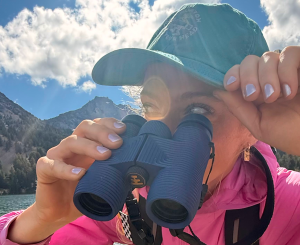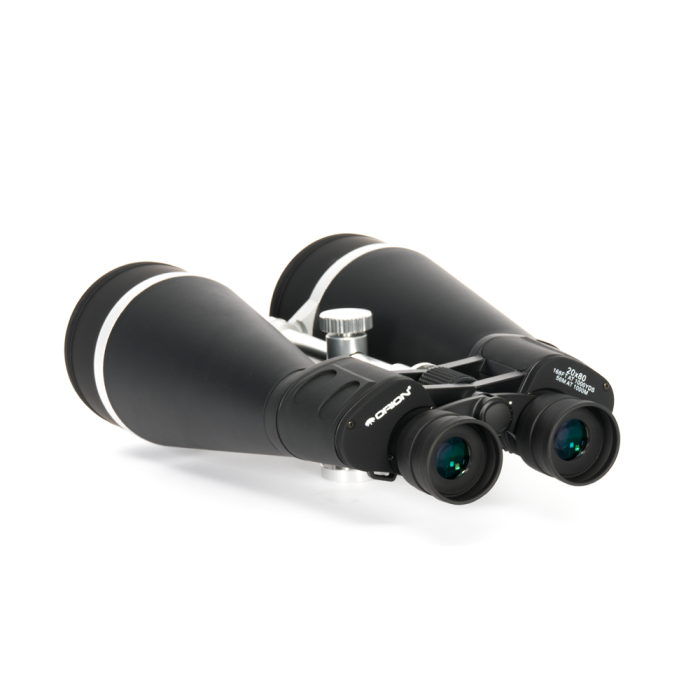
Have you ever wondered if your close-focus binoculars could open up the night sky for you? If you’re curious about spotting stars, planets, or even the moon’s craters with gear you already own, this question is for you.
Using close-focus binoculars for astronomy might seem unusual, but it could be the key to a new way of exploring space without expensive telescopes. Keep reading to discover how your binoculars can transform your stargazing experience and what you need to know to get the best view of the cosmos.
Close-focus Binoculars Basics
Close-focus binoculars are designed for viewing objects up close, like birds or flowers. They can also be used for astronomy, but their short focus limits distant star viewing. Ideal for moon and planet observation, they offer clear images of nearby celestial bodies.
What Are Close-focus Binoculars
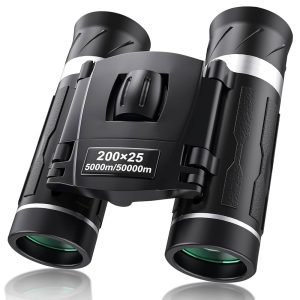
Close-focus binoculars let you see objects up close. They are ideal for watching birds or looking at butterflies. These binoculars have a short focus range. This makes them unique from regular binoculars. They can focus on objects just a few feet away. This is great for nature lovers and hobbyists. They often have smaller lenses, which makes them light to carry. Many people use them for outdoor activities.
Typical Features And Specs
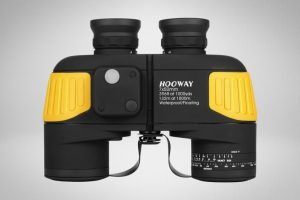
Most close-focus binoculars have lenses around 8x magnification. They also have a focus range of 6 to 10 feet. Their lenses are often around 25 mm to 32 mm. They are compact and easy to carry. Some models have special coatings for clearer vision. Others may be waterproof for rainy days. They are usually durable and designed for rough use. They are often affordable and easy to find.

Credit: www.amazon.com
Astronomy Binoculars Essentials
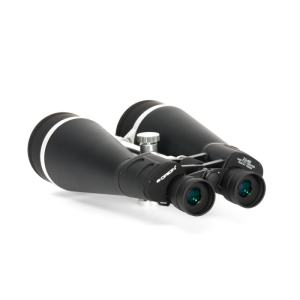
For stargazing, magnificationand apertureare very important. Magnification shows how much bigger objects look. Aperture means the size of the lens that collects light.
A good astronomy binocular usually has a magnificationbetween 7x and 15x. Too much magnification makes images shaky without a tripod. Aperture should be at least 35mmto see faint stars and planets clearly.
| Feature | Recommended Range | Why It Matters |
|---|---|---|
| Magnification | 7x to 15x | Clear, steady view without shaking |
| Aperture | 35mm or larger | Collects more light, shows faint objects |
Performance Of Close-focus Binoculars In Astronomy
Close-focus binocularsoffer unique benefits for night sky viewing. Their ability to focus on objects very near helps users adjust focus easily. This feature is handy when switching between close objects and distant stars. They are usually lightweight and easy to hold steady, making long stargazing sessions more comfortable.
Many models have wide fields of view, allowing you to see large star clusters or constellations at once. This gives a better sense of the sky’s layout. Some users find close-focus binoculars less tiring to use than telescopes, especially for beginners or casual observers.
- Easy focus adjustment
- Lightweight and portable
- Wide field of view
- Comfortable for long use
Limitations exist too. Close-focus binoculars usually have lower magnification and smaller lenses than astronomy binoculars. This means they gather less light, making faint stars and planets harder to see. Their optics may not be designed for the best clarity in low light.
Also, some models may show more distortion or less sharp images at night. They are not ideal for detailed views of planets or deep-sky objects. In sum, they work well for casual stargazing but have limits for serious astronomy.

Credit: www.amazon.com
Comparing Close-focus And Astronomy Binoculars
Close-focus binocularsare made to see things nearby. They help view flowers, birds, or insects very clearly. Astronomy binocularsfocus on far objects like stars and planets. They have bigger lenses to collect more light, which is needed for seeing dim objects in the sky.
Image quality is different because of the lens size and coating. Astronomy binoculars give brighter and sharper imagesof the night sky. Close-focus models may show nearby objects well but seem dim and less clear for stars.
Using binoculars in the dark is easier with astronomy models. They have better light-gathering abilityand wider views. Close-focus binoculars can be small and easy to carry but may struggle in low light.
Tips For Using Close-focus Binoculars At Night
For clear views, keep binoculars steady using a tripod or hold them firmly. Choose a dark location away from city lights to see stars better. Let your eyes adjust to the darkness for about 20 minutes before observing. Use the focus wheel slowly to find the sharpest image. Avoid looking at bright lights, as they reduce night vision.
Essential accessories help improve your experience:
- Tripod: Reduces shaking and keeps binoculars steady.
- Neck strap: Makes carrying easier and prevents drops.
- Lens cleaning cloth: Keeps lenses clear of dust and smudges.
- Red flashlight: Preserves night vision while reading star maps.

Credit: www.wikiwand.com
Alternative Options For Astronomy Enthusiasts
Binoculars with close-focus features are great for viewing nearby objects. But for astronomy, you need binoculars with large objective lensesand good light-gathering ability. Budget-friendly astronomy binoculars often have 40mm to 50mm lensesand 7x to 10x magnification. These give clearer views of the moon, stars, and some planets.
Choosing a telescope makes sense when you want to see finer details. Telescopes offer higher magnificationand better resolutionthan binoculars. They help spot distant galaxies and nebulae.
| Budget Binoculars | Telescope |
|---|---|
| 7x to 10x magnification | 20x and above magnification |
| 40mm to 50mm lenses | Large aperture lenses or mirrors |
| Portable and easy to use | More setup and maintenance needed |
| Good for moon and star clusters | Best for planets and deep sky objects |
Frequently Asked Questions
Can Close-focus Binoculars View Celestial Objects Clearly?
Close-focus binoculars are designed for nearby objects, so they lack the magnification for detailed celestial views. They can show bright stars and the moon but won’t reveal faint or distant objects well.
Are Close-focus Binoculars Good For Stargazing Beginners?
Yes, they are handy for beginners to locate bright stars and constellations. However, their limited zoom means they miss detailed views of planets and deep-sky objects.
What Limitations Do Close-focus Binoculars Have In Astronomy?
Their main limitation is low magnification and narrow field of view for distant space objects. They excel at terrestrial use but are less effective for detailed astronomical observations.
Can Close-focus Binoculars Replace Telescopes For Astronomy?
No, close-focus binoculars cannot replace telescopes. Telescopes offer higher magnification and better light gathering needed for deep-sky viewing.
Conclusion
Close-focus binoculars can show some stars and the moon clearly. They work best for nearby objects but also help with bright celestial sights. For deep space views, bigger telescopes are better. Still, these binoculars offer a fun way to start exploring the night sky.
Beginners can enjoy easy setup and clear images. So, they serve well for casual stargazing and learning. Give them a try on your next clear night. You might find new wonders just above.