Imagine spotting a fire before it spreads out of control—saving lives, property, and nature. You might think that’s only possible for experts with high-tech gear, but with thermal binoculars, you hold that power in your hands.
These tools let you see heat signatures clearly, even through smoke or darkness. If you want to protect your home, workplace, or community, knowing how to use thermal binoculars for fire detection is a game-changer. Keep reading, and you’ll discover simple, effective steps to become an early fire spotter and take action before it’s too late.

Credit: www.amazon.com
Choosing The Right Thermal Binoculars
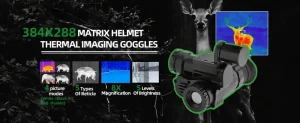
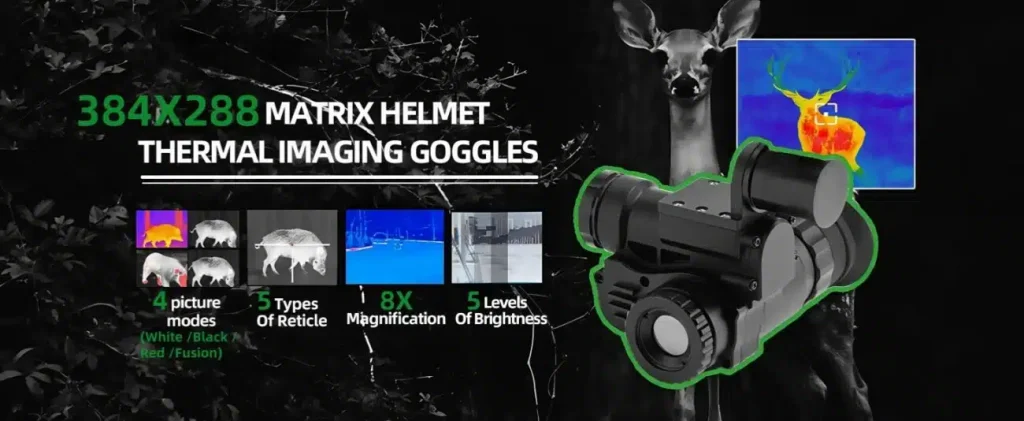
Thermal binoculars help detect heat. They are useful in finding fire. Choose binoculars with high resolution. Clear images make them easier to use. Sensitivityis important for spotting changes. It helps in detecting small fires.
Resolution And Sensitivity
Resolution shows how clear the image is. High resolution gives better details. Sensitivity detects temperature differences. Choose binoculars that spot small heat changes. This helps find fires early.
Durability And Weather Resistance
Binoculars must be strong. They should work in tough weather. Look for ones that resist water. They should also withstand dust and dirt. Durable binoculars last longer. This makes them reliable in emergencies.

Credit: www.doogee.com
Preparing For Fire Detection
Check your thermal binoculars before use. Calibration helps get clear images. Adjust settings to match the environment. This includes temperature and humidity levels. Follow the device’s manual carefully for best results.
Choose a clear night or early morning for fire detection. These times have less heat interference. Avoid windy or rainy weather as it can affect visibility. Good weather helps spot fires early and clearly.
- Wear protective clothing suitable for the area.
- Carry a communication device for emergencies.
- Stay aware of your surroundings at all times.
- Do not approach detected fires closely.
- Inform local authorities if you spot a fire.
Techniques For Effective Scanning
Effective scanning with thermal binoculars helps find fires early. Use slow, steady movements to cover wide areas. Scan in a pattern like a grid or zigzag to avoid missing spots. Pause often to focus on areas that show heat.
Heat signatures are bright spots on the screen. Look for shapes or sizes that match flames or smoke. Fires usually have irregular, changing shapes. Other heat sources may look steady or round.
| Heat Source | Thermal Signature | Key Differences |
|---|---|---|
| Fire | Bright, flickering, irregular shape | Changes size and shape quickly |
| Sun-heated rocks | Bright but steady and round | No flickering or movement |
| Animals | Small, warm spots | Move and disappear quickly |
| Machinery or vehicles | Bright, steady heat | Consistent location and shape |

Credit: www.usnighthawk.com
Interpreting Thermal Images
Thermal binoculars show heat differences in colors or shades. Hot areas appear bright, while cool areas look dark. This helps spot fire early by seeing small heat spots before flames start.
Heat from a fire is much stronger than normal warmth. Look for sudden bright spots that stand out from the surroundings. These could be early signs of fire or smoldering areas.
- Hot rocks or sun-heated objects may look like fire but are not.
- Shadows and cold spots can confuse the image.
- Moving animals or people show heat but are not fires.
- Check if the hot spot grows or stays the same to confirm.
Clear understanding of thermal contrast helps avoid mistakes. Always compare images carefully to know what is safe or a risk.
Maintaining Thermal Binoculars
Keep thermal binoculars clean and dry to ensure clear images. Store them safely to avoid damage and check batteries regularly for reliable fire detection.
Cleaning And Storage Tips
Use a soft cloth to wipe lenses carefully. Avoid harsh chemicals that may damage coatings. Store binoculars in a dry, cool place to prevent moisture buildup. Always keep them in a protective case when not in use. Avoid exposing binoculars to direct sunlight for long periods. Check for dust or dirt before each use to keep views clear.
Regular Maintenance Checks
Inspect binoculars regularly for cracks or loose parts. Test focus and clarity to ensure proper function. Check battery life and replace batteries as needed. Make sure all buttons and dials work smoothly. Tighten any screws that feel loose. Clean lenses periodically with lens cleaner designed for optics.
Troubleshooting Common Issues
| Problem | Cause | Solution |
|---|---|---|
| Blurry Image | Dirty lenses or incorrect focus | Clean lenses and adjust focus ring slowly |
| No Power | Dead or missing batteries | Replace batteries and check battery contacts |
| Fog Inside | Moisture trapped inside device | Dry binoculars in warm, dry place before use |
| Buttons Not Responding | Dirt or damage to buttons | Clean buttons gently or seek professional repair |
Integrating Thermal Binoculars With Fire Detection Systems
Thermal binocularswork well with visual camerasto spot fires early. They show heat, while cameras show what fire looks like. Together, they give a clear pictureof the fire’s size and location. This helps teams act fast and safe.
Using GPS and mapping toolswith thermal binoculars helps track fire spots on maps. This shows where fires start and move. It makes it easier to plan how to stop fires and keep people safe.
Data recordingsaves images and heat info. Reports can be made from this data to share with fire teams. It helps learn from each fire to be better prepared next time.
Frequently Asked Questions
What Are Thermal Binoculars Used For Fire Detection?
Thermal binoculars detect heat signatures, helping spot fires early. They visualize temperature differences, allowing quick identification of hotspots in forests or large areas.
How Do Thermal Binoculars Detect Wildfires?
Thermal binoculars sense infrared radiation emitted by hot objects. Fires emit strong infrared signals, making them easily visible through these binoculars, even in smoke or darkness.
Can Thermal Binoculars Detect Fires Through Smoke?
Yes, thermal binoculars can see heat through smoke. They detect infrared heat signatures, which are not blocked by smoke, enabling early fire detection in smoky conditions.
What Features To Look For In Fire Detection Binoculars?
Look for high thermal sensitivity, clear image resolution, and long detection range. Durability and battery life are also important for effective fire monitoring.
Conclusion
Thermal binoculars help spot fires early and keep people safe. They show heat clearly, even in darkness or smoke. Using them regularly improves fire detection skills. Always check the device before heading out. Practice scanning areas carefully for any signs of heat.
Early detection can save lives and protect nature. Stay alert and use thermal binoculars wisely to watch for fires. This simple tool can make a big difference in fire safety.