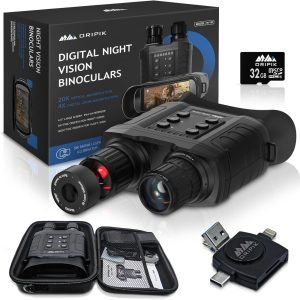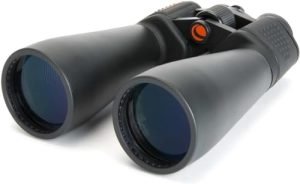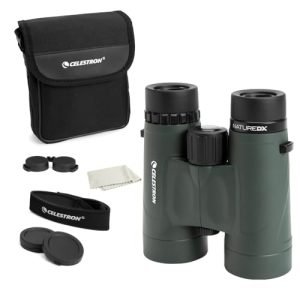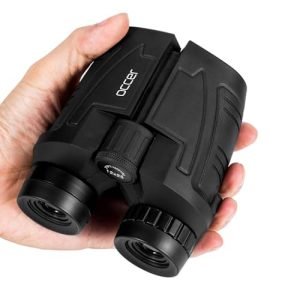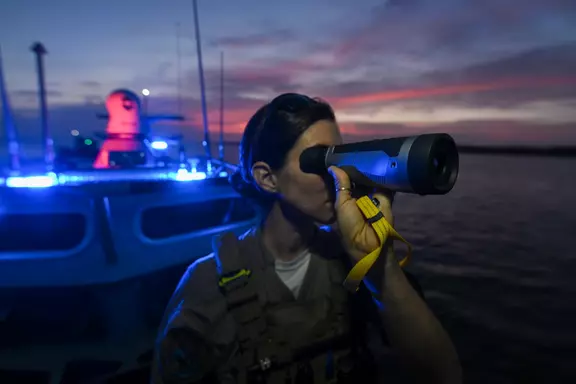
Navigating the open water can be challenging, especially when visibility is low or night falls. You need tools that give you a clear edge, and thermal binoculars are exactly that.
Imagine spotting obstacles, other vessels, or even wildlife in complete darkness or fog—without relying on light. In this guide, you’ll learn how to use thermal binoculars to make your marine navigation safer and more confident. Keep reading, and discover how this technology can transform the way you see the sea.
Choosing The Right Thermal Binoculars
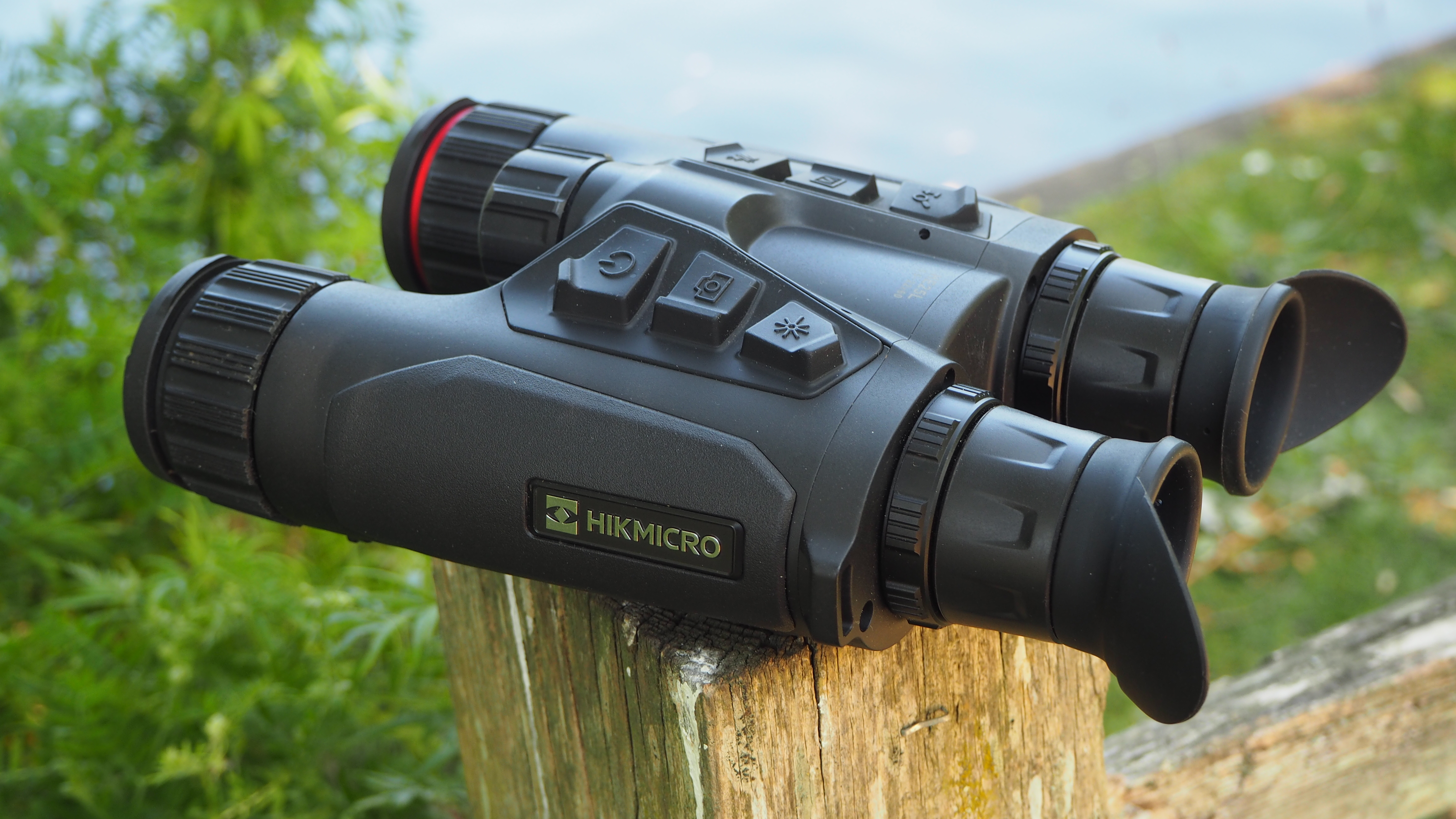
Choosing thermal binoculars with clear image quality and good range helps spot obstacles in low light at sea. Easy controls and waterproof design ensure reliable use during marine navigation.
Key Features For Marine Use
- Waterproofdesign is crucial for marine navigation.
- Durability ensures the binoculars last through tough conditions.
- Resolutionshould be clear for viewing distant objects.
- Consider the rangefor spotting faraway targets.
Resolution And Range Considerations
Resolution affects how clear objects appear. Higher resolution means clearer images. Range determines how far you can see. Longer range helps in spotting distant ships. Consider both factors together for best performance.
Waterproof And Durability Factors
Waterproof binoculars are essential for marine use. They prevent water damage. Durable materials ensure long-lasting use. Choose binoculars that can withstand harsh weather. This ensures reliability over time.
Credit: www.digitalcameraworld.com
Setting Up Your Thermal Binoculars
Start by turning on the thermal binocularsand letting them warm up. This helps the sensors work well. Adjust the focusby looking at a distant object. Twist the focus ring slowly until the image is clear. Change the contrastto see details better. This is helpful in fog or low light.
Check the batteriesbefore you go out to sea. Carry extra batteriesjust in case. Use only the battery type the device needs. Keep batteries in a dry, cool place on your boat. Turn off the binoculars when not in use to save power.
Techniques For Effective Marine Navigation
Thermal binoculars help identify landmarkseven in fog or heavy rain. They detect heat, so objects like rocks or buildings stand out clearly. This makes it easier to know your location when you cannot see well.
Spotting obstacles and other vessels is safer with thermal imaging. It shows the heat from engines or people on boats, even if they are far away. You can avoid collisions by watching these heat signals closely.
Thermal imaging is very useful for night navigation. It allows you to see things that are warm in the dark, such as buoys or other boats. This makes traveling at night much safer and more confident.
Maintenance And Troubleshooting
Keep thermal binocular lenses clean using a soft, lint-free cloth. Avoid harsh chemicals that can damage lenses. Store binoculars in a dry, cool place to prevent moisture build-up. Use the protective case to shield from dust and scratches.
Common issues include blurry images, battery problems, and screen glitches. Blurry images often mean the lenses need cleaning or refocusing. Battery failure can be fixed by replacing or charging batteries. If the screen flickers, restart the device or check for firmware updates.
Extending device lifespan requires gentle handling. Avoid dropping or exposing binoculars to extreme heat. Turn off the device when not in use to save battery. Regularly check for software updates to keep the device working well.
Safety Tips When Using Thermal Binoculars
Relying only on thermal binocularscan be risky. Technology may fail or give false readings. It is safer to use them along with traditional navigation toolslike maps and compasses. These tools do not need power and work in all conditions.
Combining thermal views with visual checks and GPShelps you stay aware of your surroundings. It also keeps navigation accurate and safe.
Emergency preparednessis key. Always carry backup batteries for your binoculars. Have a plan if devices stop working. Keep safety gear ready and know how to use it.
- Do not trust only one tool.
- Practice using old and new methods together.
- Prepare for power loss or bad weather.
- Keep emergency contacts and signals handy.

Credit: ytgxyqoptics.en.made-in-china.com

Credit: www.chmarine.com
Frequently Asked Questions
What Are Thermal Binoculars Used For In Marine Navigation?
Thermal binoculars detect heat signatures, helping identify vessels, obstacles, and landmarks in low visibility. They enhance safety during night or foggy marine navigation by providing clear thermal images.
How Do Thermal Binoculars Improve Night Navigation At Sea?
Thermal binoculars detect infrared radiation, revealing objects invisible to the naked eye. They allow mariners to spot hazards and other boats in complete darkness, improving navigation safety.
Can Thermal Binoculars Work In Foggy Or Rainy Conditions?
Yes, thermal binoculars penetrate fog and rain better than regular optics. They detect heat differences, making them effective for marine navigation in poor weather conditions.
What Features To Look For In Marine Thermal Binoculars?
Look for high resolution, long detection range, waterproof design, and image stabilization. These features ensure clear, reliable thermal imaging suitable for challenging marine environments.
Conclusion
Thermal binoculars help you see clearly in dark or foggy marine conditions. They improve safety by detecting obstacles early. Using them correctly takes practice and patience. Always keep them clean and charged before your trip. Trust your eyes but rely on thermal views too.
These tools add confidence when navigating at night or in bad weather. Remember, steady hands and calm focus make a big difference. Explore their features step by step for the best results. Safe and sure navigation starts with smart tools like these.