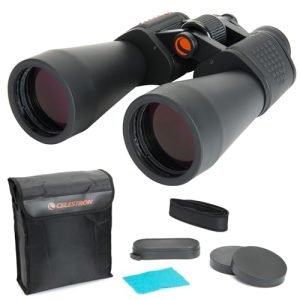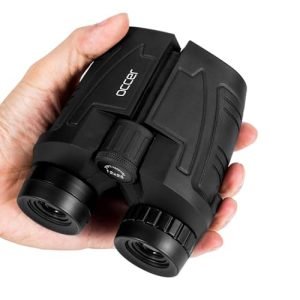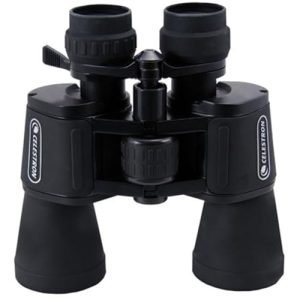
Are you tired of your eyes feeling tired and sore after using binoculars? Eye strain can ruin your outdoor adventures and make it hard to enjoy every detail around you.
But what if you could use waterproof binoculars without the discomfort? You’ll discover simple tips to protect your eyes and keep your vision sharp. Keep reading to learn how to enjoy clearer views and longer, more comfortable use—your eyes will thank you!
Benefits Of Waterproof Binoculars
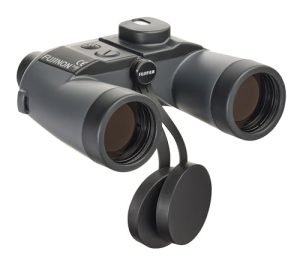
Waterproof binocularscan handle rain and snow. They are built to last. Durable materialskeep them safe in rough weather. You can use them in the rain without worry. Dust and dirt won’t harm them. This makes them perfect for outdoor adventures. Their strong build means longer life. Adventure in rain or shine.
Seeing clearly in wet weather is easy with these binoculars. Water dropletsdon’t blur the view. The special lens keeps vision sharp. Enjoy clear images even in fog. Moisture won’t ruin your view. You see better in any weather. These binoculars make rainy days fun. Enjoy nature without limits.

Credit: m-grill.com
Common Causes Of Eye Strain
Improper focuscauses blurry views and tired eyes. Adjust the focus ring until the image looks clear. Eyes work hard if the binoculars stay out of focus.
Incorrect eye reliefmeans your eyes are too close or too far from the eyepieces. This causes discomfort and strain. Find the right distance to see the full view without pain.
Prolonged usetires the eye muscles. Take short breaks often. This helps your eyes rest and stay fresh for longer use.
Choosing The Right Binoculars
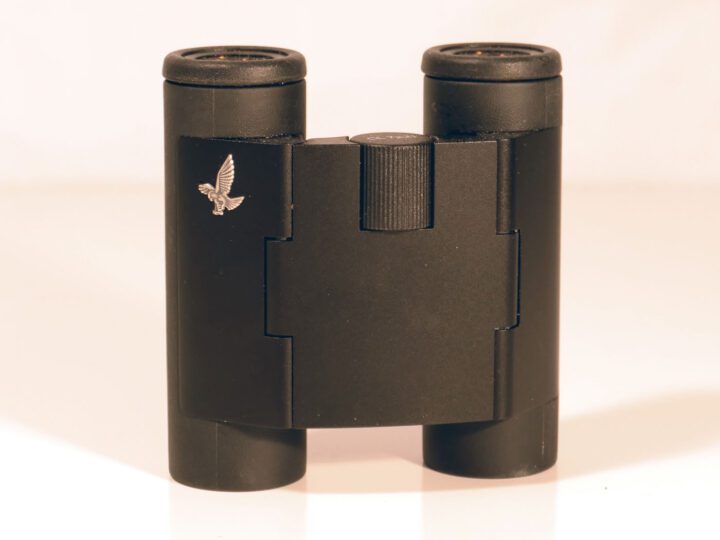
Optimal magnificationhelps reduce eye strain by providing clear, sharp images. Too much magnification can make viewing shaky and tiring. A magnification between 7x and 10x is usually best for comfort and detail.
Adjustable eye reliefallows you to see the full image without straining your eyes. It is important for people who wear glasses. Being able to change this setting helps keep your eyes relaxed during long use.
Lightweight designmakes holding binoculars easier and less tiring. Heavy binoculars cause arm and eye strain faster. Choose a pair that feels comfortable to hold for long periods.
Credit: m-grill.com
Proper Usage Techniques
Focus the binoculars slowly to get a clear view. Avoid sharp, quick turns to prevent eye strain. Adjust the center focus wheel carefully until objects look sharp and easy to see.
Keep the binoculars at a comfortable distance from your eyes. Too close or too far can cause discomfort and tired eyes. A good distance helps your eyes relax.
- Use both eyes to view through the binoculars.
- Closing one eye can cause strain and headaches.
- Using both eyes keeps vision natural and reduces fatigue.
Taking Breaks And Eye Exercises
Taking breaks is important to avoid eye strainwhen using waterproof binoculars. Rest your eyes every 20 to 30 minutes. Look away from the binoculars and focus on distant objects for at least 20 seconds. This helps your eye muscles relax and reduces fatigue.
Simple eye exercises can also help. Try blinking slowly 10 times to keep your eyes moist. Roll your eyes in a circular motion gently to loosen eye muscles. Look up and down or side to side a few times to improve flexibility.
- Take breaks regularly
- Focus on distant objects
- Blink often to keep eyes wet
- Roll eyes gently in circles
- Move eyes up, down, left, right

Credit: www.nocsprovisions.com
Maintaining Your Binoculars
Cleaning binoculars often keeps lenses clear and sharp. Use a soft cloth to wipe lenses gently. Avoid harsh chemicals that may damage coatings. A small brush or air blower helps remove dust from crevices. Regular cleaning prevents blurry views and reduces eye strain.
Store binoculars in a dry, cool place when not in use. Keep them in their protective case to avoid scratches. Avoid leaving them in direct sunlight or damp areas. Proper storage protects from moisture and dirt, helping binoculars last longer and perform well.
Additional Tips For Comfort
Using a neck straphelps reduce arm strain during long use. It keeps binoculars close and stable, making viewing easier. This also prevents dropping and damage to your binoculars. Choose a strap that feels soft and fits well around your neck.
Adjusting ambient lightingis key for eye comfort. Bright light or glare can cause eye strain quickly. Try to use binoculars in natural light or shaded areas. Avoid strong direct sunlight on your eyes or lenses. Soft, even lighting helps your eyes relax.
Frequently Asked Questions
How Do Waterproof Binoculars Reduce Eye Strain?
Waterproof binoculars offer clear, sharp images even in wet conditions. Their quality lenses reduce glare and distortion, minimizing eye fatigue. The waterproof feature ensures consistent performance, preventing moisture buildup that can blur vision and cause strain.
What Features Prevent Eye Strain In Binoculars?
Features like adjustable eyecups, good eye relief, and anti-reflective coatings prevent eye strain. These ensure comfortable viewing and reduce glare, making it easier to focus for longer periods without discomfort.
How To Adjust Binoculars For Less Eye Strain?
Adjust the interpupillary distance and focus properly for clear vision. Use the eyecups to position your eyes comfortably. Proper adjustment reduces eye muscle fatigue and helps maintain sharp images.
Why Is Eye Relief Important In Waterproof Binoculars?
Eye relief determines how far your eyes can be from the lenses while seeing the full view. Longer eye relief prevents strain, especially for eyeglass wearers, ensuring comfortable and clear viewing.
Conclusion
Protecting your eyes while using waterproof binoculars is simple. Adjust the eyecups and focus clearly. Take breaks often to rest your eyes. Use binoculars with good lens coatings to reduce glare. Keep your binoculars clean for a clear view. Comfortable use means less strain and better enjoyment.
Follow these easy steps for safer, longer viewing sessions. Your eyes will thank you every time you explore.