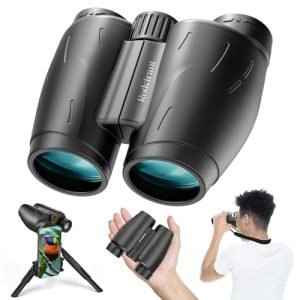
Are you wondering if wide-angle binoculars can handle wet and rainy conditions? If you enjoy outdoor adventures, you know how important it is for your gear to stay safe from water damage.
Imagine spotting wildlife or enjoying a scenic view, only to have your binoculars fog up or stop working because of moisture. That’s frustrating and can ruin your experience. You’ll discover whether wide-angle binoculars are waterproof, what features to look for, and how to protect your investment.
Keep reading to make sure your next outdoor trip is worry-free and full of clear views.

Credit: www.amazon.com
Wide-angle Binoculars Features
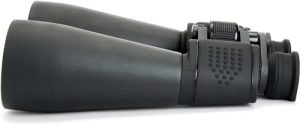
Wide-angle binoculars have a larger field of view. This means you see more area at once. The lenses are designed for broad views. The objective lens is wider in these models. Wide lenses capture more light. This improves visibility in low light. Eye relief is also better. You can wear glasses comfortably. Wide-angle binoculars are great for bird watching. They help spot fast-moving animals.
Wide views help see more landscape. You don’t need to move them much. Less movement means less fatigue. They are perfect for sports events. You can see the entire field. Nature lovers find them useful. Spotting birds becomes easier. You capture more details. They make observing stars simpler. You see a larger sky area. Wide-angle binoculars enhance the viewing experience.
Waterproofing Basics
Waterproofingin wide-angle binoculars stops water from entering the device. It uses special seals and coatings to keep moisture out. Inside, the air is replaced with nitrogen or argon gas. This prevents fogging when the temperature changes.
Many binoculars have an IP ratingthat shows their water resistance level. The rating usually has two numbers. The first number shows protection from dust. The second number shows protection from water.
| Waterproof Standard | Water Protection Level |
|---|---|
| IPX4 | Protected from splashing water |
| IPX6 | Protected from powerful water jets |
| IPX7 | Protected from immersion up to 1 meter |
| IPX8 | Protected from continuous immersion beyond 1 meter |
Waterproof Wide-angle Binoculars
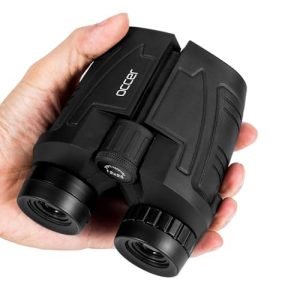
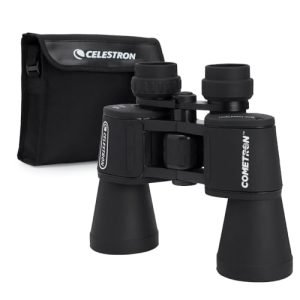
Many wide-angle binocularscome with a waterproof design. This makes them great for use in rain, fog, or near water. Waterproof models often have a special rubber coatingto protect the body. They also use sealed jointsto stop water from entering inside.
Popular models with waterproof features include brands like Nikon, Bushnell, and Vortex. These binoculars also have fog-prooftechnology, often filled with nitrogen or argon gas. This keeps the lenses clear inside even in wet conditions.
| Key Waterproofing Materials | Purpose |
|---|---|
| Rubber Coating | Protects the binocular body from water and shocks |
| O-ring Seals | Prevents water and dust from entering the binoculars |
| Nitrogen or Argon Gas | Stops internal fogging by removing moisture inside |
| Water-Resistant Lens Coatings | Keeps lenses clear and easy to clean |

Credit: www.amazon.co.uk
Durability Beyond Waterproofing
Wide-angle binoculars often feature waterproof designs to protect against rain and splashes. Their durability extends beyond water resistance, with sturdy construction to handle rough outdoor use. This ensures long-lasting performance in various weather conditions.
Fog Resistance Features
Wide-angle binocularsoften have anti-fog coatingsinside their lenses. This stops moisture from building up and blurring the view. Some models use nitrogen or argon gasto fill the tubes. These gases prevent fog from forming during temperature changes. This feature is very helpful in cold or humid places.
Shock And Impact Protection
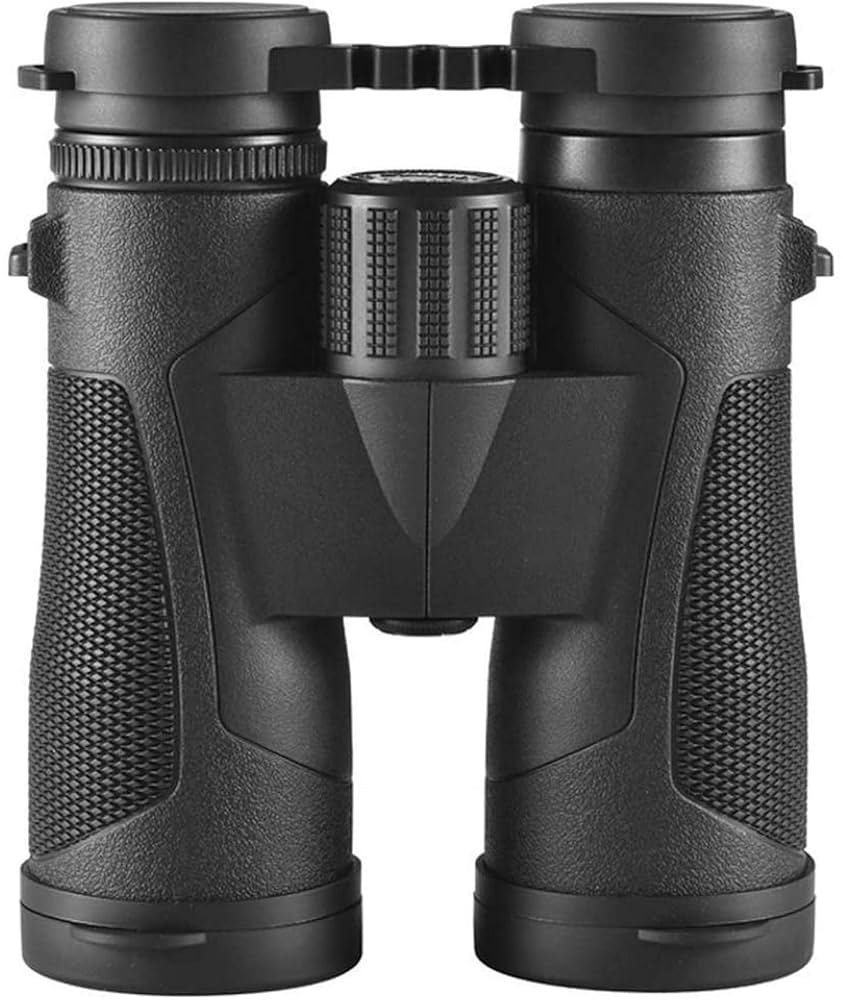
Many binoculars come with a rubber armor coating. This protects against shocks and drops. The rubber also gives a better grip. Some binoculars have reinforced framesto keep the lenses safe. These protections make the binoculars last longer during outdoor use.
Choosing The Right Binoculars
Wide-angle binoculars come with many features. Matching their use to these features is key. Think about where you will use them. Outdoor use often needs waterproof models. Waterproof binoculars resist rain, snow, and splashes. This keeps lenses clear and prevents damage. For indoor or dry use, waterproofing may not be needed.
Price and waterproof quality often relate. Higher-priced binoculars tend to have better waterproof seals. Cheaper models may claim water resistance but might not last in heavy rain. Investing a bit more can protect your binoculars and give a clearer view in wet conditions.
| Price Range | Waterproof Quality | Best Use |
|---|---|---|
| Low | Basic water resistance | Light outdoor use, dry weather |
| Mid | Good waterproof seals | Regular outdoor use, light rain |
| High | Full waterproof and fog proof | Heavy rain, snow, marine use |

Credit: www.amazon.com
Care Tips For Waterproof Binoculars
Wide-angle binoculars often come with waterproof features to protect against rain and splashes. Regular cleaning and drying after use help maintain their performance and durability. Avoid exposing them to saltwater without proper rinsing to prevent damage.
Cleaning And Maintenance
Use a soft cloth to wipe lenses gently. Avoid using paper towels or rough fabrics. If dirt is stuck, use a lens brush or air blower. Clean the outer parts with a damp cloth, not soaked. Never open binoculars to clean inside. Let moisture dry naturally after use in wet areas. Check seals regularly to keep waterproof function intact.
Storage Recommendations
Store binoculars in a dry place, away from direct sunlight. Use a protective case for safety. Avoid leaving them in hot cars or damp areas. Keep silica gel packets in the case to absorb moisture. Regularly check for mold or dust buildup. Proper storage helps binoculars last longer and work well.
Frequently Asked Questions
Are Wide-angle Binoculars Usually Waterproof?
Most wide-angle binoculars are designed with waterproof features. They have sealed O-rings and nitrogen or argon purging to prevent moisture entry. This makes them suitable for outdoor activities in wet conditions.
How Does Waterproofing Benefit Wide-angle Binoculars?
Waterproofing protects binoculars from rain, fog, and accidental water exposure. It ensures clear vision by preventing internal fogging. This feature increases durability and extends the lifespan of the binoculars.
Can I Use Non-waterproof Wide-angle Binoculars In Rain?
Using non-waterproof binoculars in rain risks water damage and fogging. It may impair lens clarity and damage internal components. Waterproof binoculars are recommended for wet or humid environments.
What Does Ip Rating Mean For Binocular Waterproofing?
IP ratings indicate a binocular’s resistance to dust and water. Higher IP ratings mean better protection against water ingress. Check the IP rating to ensure your binoculars meet your waterproof needs.
Conclusion
Wide-angle binoculars often come with waterproof features. This protects them from rain, splashes, and fog. Waterproofing helps keep the lenses clear and sharp. Not all models are fully waterproof, so check before buying. Durable seals and coatings make a big difference.
Waterproof binoculars last longer and work better outdoors. Choose the right pair for your needs and weather. Enjoy clear views, no matter the conditions.