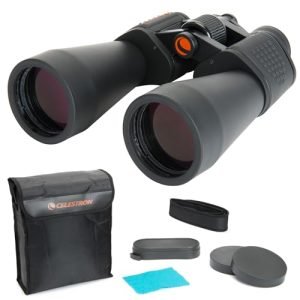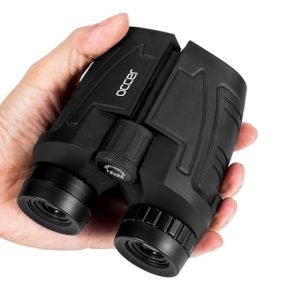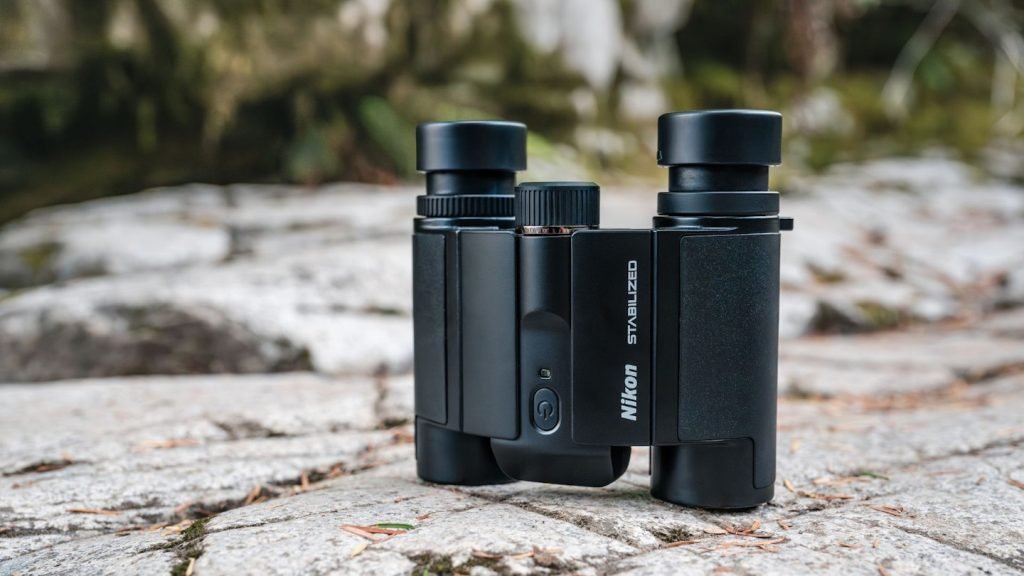
When you’re out in nature or at a sports event, steady views make all the difference. You might be wondering if image stabilized binoculars, which promise clearer and shake-free images, come with a weight you’ll notice.
Are they heavier than your regular binoculars? Understanding this can help you decide if the extra weight is worth the smoother experience. You’ll discover the truth about their weight and how it might affect your comfort and performance. Keep reading to find out what really sets these binoculars apart and whether they’re the right choice for you.
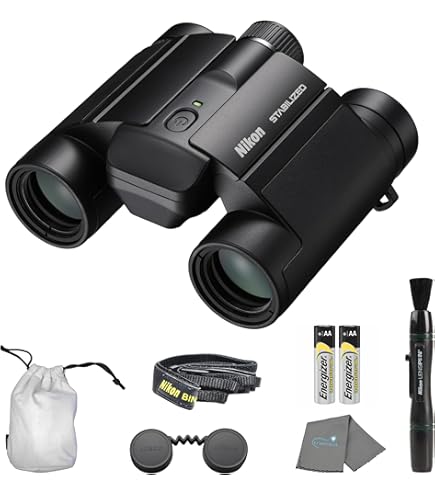
Credit: www.amazon.com
Basics Of Image Stabilization
Image stabilized binoculars often weigh more than regular ones due to added technology. This extra weight helps reduce hand shake and improve viewing stability.
How Image Stabilization Works
Image stabilization helps keep pictures clear. It reduces blur by steadying the view. This technology adjusts the lenses or sensors. Internal gyroscopesdetect movement. Then, they make quick corrections. This keeps the image stable. These corrections happen very fast. So, the user sees a clear picture.
Types Of Stabilization Technologies
- Optical stabilization: Moves the lens to counteract shakes.
- Digital stabilization: Uses software to fix image blurs.
- Mechanical stabilization: Utilizes physical parts to steady the view.
Weight Factors In Binoculars
Binocular weight depends a lot on the materials used. Metal parts make binoculars heavier. Plastic or composite materials keep them lighter. Higher build quality often means stronger but heavierframes.
The optical componentsalso affect weight. Image stabilized binoculars have extra lenses and motors. These parts add extra weightcompared to regular binoculars. This can make them noticeably heavier.
| Factor | Impact on Weight |
|---|---|
| Frame Material | Metal is heavy, plastic is light |
| Build Quality | Stronger frames add weight |
| Optical Parts | More lenses and motors add weight |
| Image Stabilization | Extra components increase weight |
Comparing Weight: Stabilized Vs Regular
Image stabilized binoculars usually weigh morethan regular ones. This is due to the extra partsinside that help reduce shaking. These parts add bulkand weight. Regular binoculars are lighter because they have fewer moving components.
Below is a simple table showing typical weight ranges:
| Type | Weight Range (ounces) |
|---|---|
| Regular Binoculars | 10 – 28 oz |
| Image Stabilized Binoculars | 20 – 40 oz |
Different manufacturersdesign binoculars with varying weights. Some use lighter materialsto keep weight down. Others focus on durability, which may add weight. Always check the specs before buying.

Credit: www.jacobsdigital.co.nz
Portability And Usage Considerations
Image stabilized binocularsusually weigh more than regular models. This extra weight comes from built-in technology that helps keep images steady. For outdoor activities like hiking or birdwatching, carrying heavier binoculars can be tiring.
Users might feel more strain holding them for long periods. This can affect comfort and handling, especially during long trips. Regular binoculars are lighter and easier to carry, but they may show shaky images.
- Outdoor use:Heavier binoculars can slow you down.
- User comfort:Weight affects how long you can hold them.
- Image quality:Stabilized models reduce shaking for clearer views.
- Trade-off:Extra weight versus better image stability.
Advancements In Lightweight Stabilized Models
Recent improvements in lightweight stabilized models reduce bulk without losing stability. Image stabilized binoculars now offer better balance, often matching the weight of regular binoculars. This makes them easier to carry and use for longer periods.
Recent Innovations
New image stabilized binoculars use lighter materialslike carbon fiber. These materials reduce weight without losing strength. Smaller, efficient motors help keep the binoculars light and easy to carry. Battery technology has also improved, making power sources smaller and lighter. Some models now weigh almost the same as regular binoculars.
Future Trends In Design
Designers focus on making binoculars even lighter and more compact. They aim to use advanced compositesand better battery tech. Expect more models with longer battery lifeand less bulk. User comfort and ease of use remain top priorities. The goal is to have stabilized binocularsthat feel like regular ones.

Credit: www.amazon.com
Choosing The Right Binoculars
Choosing binoculars means balancing weightand performance. Image stabilized binoculars usually weigh more because of extra parts inside. These parts help keep the view steady, even if your hands shake. Regular binoculars are lighter but may show more shake.
Your personal needsmatter. If you hike long distances, lighter binoculars might feel better. If you watch birds or sports, image stabilization helps you see clearer. Think about how long you will carry them and what you will use them for.
- Image stabilized binoculars offer clearer imagesin shaky conditions
- They tend to be heavier and bulkier
- Regular binoculars are lighter and simpler
- Choose based on comfort and use
Frequently Asked Questions
Are Image Stabilized Binoculars Heavier Than Regular Ones?
Yes, image stabilized binoculars are generally heavier due to built-in stabilization technology. This adds extra components and power sources, increasing weight compared to regular binoculars.
Why Do Image Stabilized Binoculars Weigh More?
They contain gyroscopes, batteries, and motors to reduce shake. These parts add bulk and weight beyond standard optical elements.
Does Extra Weight Affect Binocular Comfort?
Extra weight may cause fatigue during extended use. However, stabilization benefits often outweigh the slight increase in weight for many users.
Can Image Stabilization Be Added To Regular Binoculars?
No, stabilization requires integrated hardware and electronics. Regular binoculars cannot be retrofitted with image stabilization technology.
Conclusion
Image stabilized binoculars tend to be a bit heavier than regular ones. This extra weight comes from the built-in technology that reduces shaking. Many users find the weight difference small and worth the steady view. Choosing between the two depends on how you plan to use them.
If steady images matter most, a little extra weight may not bother you. Think about your needs and comfort before making a choice. Both types offer clear views but with different features and weights.