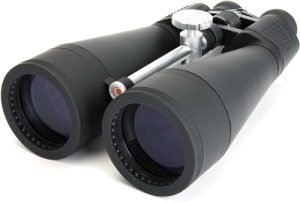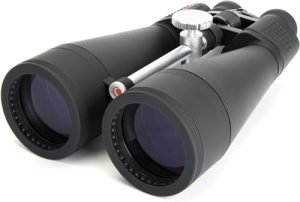

Carrying image stabilized binoculars during your travels can make all the difference in how clear and steady your view is. But do you know the best way to handle them so they stay safe and ready to use?
If you’ve ever struggled with shaky hands or worried about damaging your gear, this guide is for you. Keep reading to discover simple tips that will help you protect your binoculars and enjoy every moment with a sharp, steady sight.
Your next adventure deserves nothing less.
Choosing The Right Binocular Case
Choosing a sturdy, padded binocular case protects image stabilized binoculars from bumps during travel. Opt for a compact, water-resistant design to keep them safe and easy to carry. A secure strap or handle adds convenience for moving around.
Hard Vs Soft Cases
Hard casesoffer better protection. They keep binoculars safe from bumps. Soft casesare lighter. They’re easy to carry. Hard cases are heavier. They protect binoculars well. Soft cases fit in small bags. They’re great for light travel.
Waterproof And Shockproof Features
Choose a case that is waterproofShockproofcases absorb impacts. They protect from drops. Waterproof cases resist rain. Shockproof cases save from falls. Both features make travel safer.
Size And Portability
Pick a case that fits your binoculars snugly. This prevents rattling. Small casesare easy to carry. Larger cases offer more protection. Consider how much space you have. Choose wisely based on size. Portability is key for travel.

Credit: www.instagram.com
Best Carrying Methods
Neck straps and harnesseskeep binoculars close and ready. Neck straps are simple and light. Harnesses spread weight across shoulders, reducing neck strain. Both allow quick access to binoculars while walking or standing.
Backpack integrationoffers a secure way to carry binoculars. Some backpacks have special compartments or loops. These keep binoculars safe and easy to reach. This method works well for hikers and travelers carrying extra gear.
Using waist packsplaces binoculars at the hips. Waist packs are stable and prevent swinging. They are good for quick stops and easy access. This method frees up the neck and shoulders for other gear.
Protecting Binoculars On The Move
Lens caps and coversshield binocular lenses from dust and scratches. Always keep lens caps on when not in use. Use a soft cloth cover or padded case for extra protection during travel. This prevents dirt and small impacts from damaging the lenses.
Avoiding impact and scratchesis key. Carry binoculars in a padded bag or case. Make sure the case fits snugly to stop movement inside. Do not place heavy items on top. Keep them away from sharp objects that can cause scratches.
Temperature and moisture controlhelp maintain binoculars’ function. Avoid leaving them in direct sunlight or cold places for long. Use silica gel packs in the case to absorb moisture. This stops fogging and rust inside the binoculars.

Credit: www.yahoo.com
Packing Tips For Different Travel Types
Hiking and Outdoor Adventuresrequire carrying binoculars safely. Use a sturdy case with padding. Attach a neck strap to keep binoculars handy. Choose lightweight models to avoid extra weight. Waterproof cases help protect against rain and dust.
Air Travel Considerationsinclude packing binoculars in carry-on luggage. Use a hard case to avoid damage. Remove batteries if possible. Place binoculars between soft clothes for extra cushion. Always follow airline rules about electronic devices.
Urban and Casual Travelallows for simpler carrying options. Use a small shoulder bag or a backpack pocket. Keep binoculars in a soft pouch to prevent scratches. Quick access helps enjoy city views and events easily.
Maintaining Comfort And Accessibility
Adjust the straps to keep the binoculars balanced on your body. Tighten or loosen the straps until the binoculars sit comfortably without swinging. This helps to keep the weight even and prevents sudden jerks.
Keep the binoculars within easy reach for quick use. Hanging them on your chest or around your neck allows fast access. Avoid placing them too low or inside a bag where they may get tangled or delayed.
- Use padded straps to reduce pressure on neck and shoulders.
- Shift the binoculars from one shoulder to another often.
- Take short breaks to relieve any soreness.
Cleaning And Maintenance During Travel
Use only soft, lint-free clothsfor cleaning lenses. Avoid rough materials that can scratch surfaces. Use lens cleaning solutionor water sparingly. Do not spray liquids directly on the binoculars.
Check for dust, dirt, or moisture on lenses regularly. Inspect the moving partsto ensure smooth operation. Tighten any loose screws gently to avoid damage.
| Storage Tip | Reason |
|---|---|
| Keep binoculars in a padded case | Protects from shocks and scratches |
| Store in a dry place | Prevents mold and rust |
| Remove batteries if not in use | Prevents battery leaks and damage |
| Use lens caps | Stops dust and dirt build-up |

Credit: veronicahanson.medium.com
Frequently Asked Questions
How To Pack Image Stabilized Binoculars For Travel?
Pack binoculars in a sturdy case to protect them during travel. Use padded compartments to prevent bumps and scratches. Always secure the strap to avoid accidental drops. Keep the binoculars in your carry-on for easy access and safety.
Can I Carry Binoculars In Hand Luggage?
Yes, you can carry binoculars in hand luggage. Ensure they are well-protected in a padded case. Check airline regulations before travel to avoid any issues. Keeping them in hand luggage prevents damage from rough handling in checked bags.
What’s The Best Way To Hold Binoculars While Walking?
Hold binoculars with both hands firmly to reduce shake. Use the neck strap to support their weight. Keep your elbows close to your body for stability. This technique helps maintain clear vision during movement.
Should I Use A Tripod With Image Stabilized Binoculars?
Using a tripod is optional but beneficial for long viewing sessions. It provides extra stability and reduces hand fatigue. However, image stabilization often suffices for most travel scenarios. Consider a tripod for extended birdwatching or stargazing trips.
Conclusion
Carrying image stabilized binoculars safely makes travel easier. Use a sturdy case to protect them from bumps. Keep the binoculars close to your body for quick access. Avoid heavy straps that cause discomfort during long walks. Regularly check the straps and case for wear and tear.
This helps keep your binoculars ready for every adventure. Simple steps can make a big difference in handling your gear. Travel light, travel smart, and enjoy clear views wherever you go.