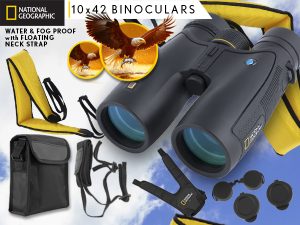

Are your Zoom binocular eyepieces looking cloudy or dirty? If you want clear, sharp views every time you use your binoculars, keeping the eyepieces clean is a must.
But cleaning them the wrong way can cause scratches or damage. In this guide, you’ll learn simple, effective steps to clean your Zoom binocular eyepieces safely. Follow these tips, and your binoculars will give you crisp images for years to come.
Keep reading to discover how easy it is to protect your gear and enjoy better views right now.

Credit: kylin-glass.en.made-in-china.com
Tools Needed
A soft microfiber cloth, lens cleaning solution, and a small brush are essential for cleaning zoom binocular eyepieces. Avoid harsh materials to prevent scratches. Gentle tools help keep lenses clear and safe.
Cleaning Cloths
Use soft microfiber clothsto clean eyepieces. Microfiber is gentle and safe. It avoids scratches on the lens. Always keep cloths clean. Dirty cloths can harm lenses.
Lens Cleaning Solution
Choose a special lens cleaning solution. It helps remove smudges and fingerprints. Avoid using regular household cleaners. These can damage lens coatings. Apply solution to cloth, not directly on lenses.
Air Blower And Brushes
Use an air blowerto remove dust. It is safe and effective. Brushes help in cleaning small spaces. Make sure brushes are soft. Hard brushes can scratch lenses.

Credit: www.amazon.co.uk
Preparing The Binoculars
Choose a clean and dust-free areato work on your binoculars. A flat surface with good light is best. This helps to avoid adding more dirt to the lenses during cleaning.
Remove any loose dust or debris gently from the eyepieces. Use a soft brush or a can of compressed air. Avoid blowing with your mouth to keep moisture away.
- Turn the binoculars upside down to let dust fall off.
- Brush away particles carefully without scratching.
- Use air spray at a distance to avoid damage.
Cleaning The Eyepieces
Use an air blowerto gently remove dust from the eyepieces. Avoid using compressed air cans as they may damage the lenses. Hold the binoculars upside down to let dust fall away. This step helps keep the lenses clear without touching them.
Apply a few drops of lens cleaning solutionon a clean microfiber cloth. Avoid spraying the solution directly on the eyepieces. The solution helps dissolve oils, fingerprints, and dirt for easier cleaning.
Wipe the eyepieces gently with the dampened microfiber cloth in a circular motion. Use soft pressure to avoid scratching the lenses. Always use a clean, dry microfiber cloth to remove any leftover moisture. This keeps the lenses clear and protects the coating.
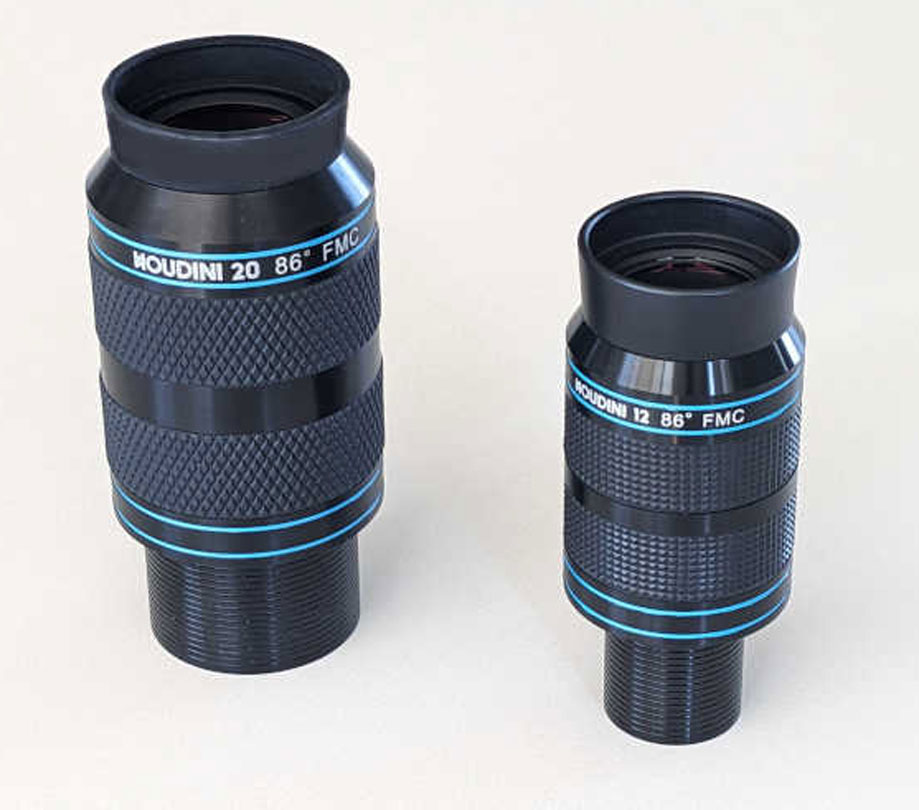
Credit: scopetrader.com
Cleaning Zoom Mechanism Areas
Cleaning the zoom mechanism of binocular eyepieces keeps them smooth and clear. Use a soft brush or cloth to remove dust and dirt gently. Avoid using water or harsh chemicals that can damage the parts.
Accessing Zoom Components
Carefully open the binoculars to reach the zoom parts. Use a small screwdriver if needed. Avoid forcing any piece to stop damage. Keep track of all screws and parts. Work on a clean, flat surface to avoid losing small items.
Avoiding Moisture Damage
Use a dry cloth or brush for cleaning. Never spray water or liquid directly on zoom parts. Moisture can cause rust and damage the mechanism. If moisture gets inside, dry it quickly with a soft cloth. Store binoculars in a dry place after cleaning.
Drying And Inspecting
After cleaning, use a soft cloth to gently dry the eyepieces. Make sure no moisture or cleaning fluid remains. Any residue can cause smudges or damage over time.
Check the surface carefully under good light. Look for any scratches, cracks, or dirt spots. Small scratches can affect the view quality. If damage is found, consider professional repair or replacement.
- Use a bright light to spot dust or residue.
- Hold the eyepieces at different angles.
- Check for tiny scratches or chips.
- Do not touch the glass with fingers after cleaning.
Maintenance Tips
Cleaning Zoom binocular eyepieces regularly helps keep images clear and sharp. Use a soft brush or air blower to remove dust gently. Avoid using tissues or rough cloths that can scratch lenses. A microfiber cloth dampened with lens cleaner works well for smudges. Clean in small circles without pressing hard.
Storing binoculars properly protects them from dust and damage. Keep them in a dry, cool place away from direct sunlight. Use the original case or a padded bag to avoid scratches. Make sure lens caps are on before storing. This simple care extends the life of your binoculars.
Frequently Asked Questions
How Do I Clean Zoom Binocular Eyepieces Safely?
Use a soft microfiber cloth and lens cleaning solution. Avoid harsh chemicals and excessive pressure to prevent damage. Always blow off dust first with a blower brush before wiping the lenses gently.
What Materials Are Best For Cleaning Binocular Eyepieces?
Use a microfiber cloth, lens cleaning solution, and a blower brush. These materials clean effectively without scratching or damaging the lens coatings. Avoid paper towels or rough fabrics.
How Often Should I Clean My Zoom Binocular Eyepieces?
Clean eyepieces after every few uses or when visibly dirty. Regular cleaning maintains clear vision and protects lens quality. Avoid over-cleaning to prevent wear on coatings.
Can Household Cleaners Damage Binocular Eyepieces?
Yes, household cleaners can harm lens coatings and cause fogging. Always use products designed for optical lenses. Stick to gentle, alcohol-free lens cleaners for safety.
Conclusion
Cleaning your zoom binocular eyepieces keeps your view clear and sharp. Use soft cloths and gentle cleaning solutions only. Avoid touching lenses with fingers to prevent smudges. Regular care helps your binoculars last longer and work better. A clean lens means better outdoor experiences every time.
Keep these simple steps in mind for easy maintenance. Your binoculars will thank you with clearer views and longer life.